Gabon faces severe electricity production decline in early 2026
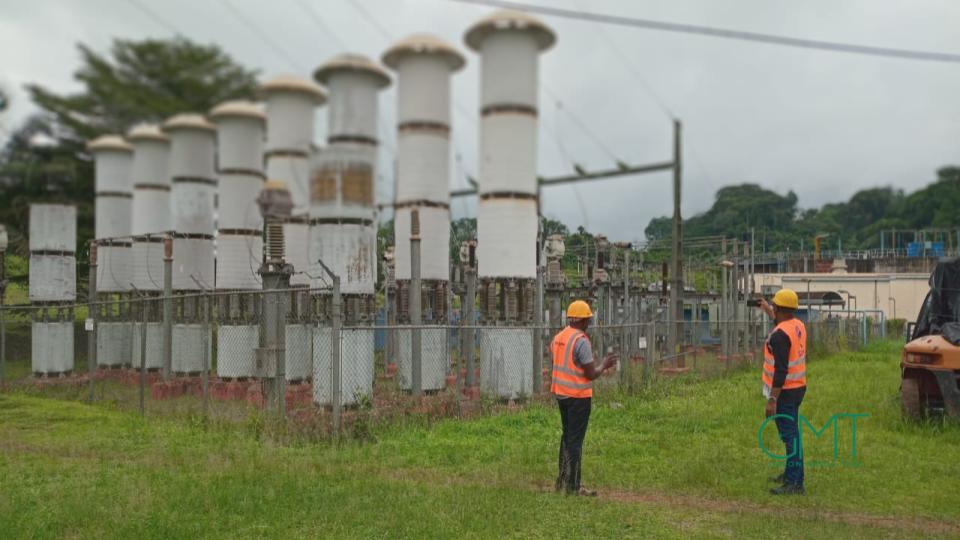
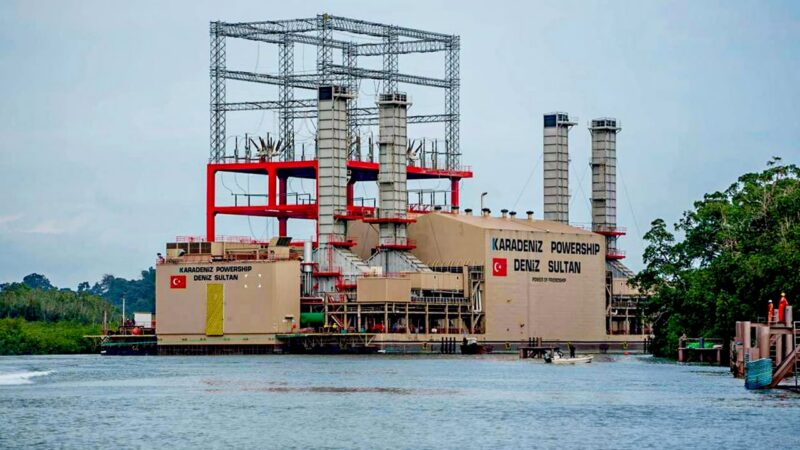
The electricity production in Gabon experienced a steep decline during the first quarter of 2026, with a 13.2% drop compared to the previous quarter and a 20.1% year-on-year decrease. This alarming trend, detailed in the latest Sectoral Conjuncture Report from the Directorate General of Economy and Fiscal Policy, underscores a deep-rooted systemic vulnerability affecting the population daily.
Behind these stark figures lie multiple system failures that have crippled the national power grid. The primary culprit? A chronic lack of investment in maintenance. What might appear as bureaucratic jargon hides a harsh reality: years of neglect have left the country’s electrical infrastructure dangerously exposed to breakdowns.
Continuous postponement of essential upgrades and hasty repairs have pushed the system to its breaking point. The consequences of this neglect extend far beyond flickering lights or stalled household appliances. The energy crisis has triggered a domino effect, now disrupting water supply networks across the country.
Power outages paralyze water distribution
The repercussions of electricity shortages have spilled into critical public services. Repeated power cuts are now causing severe disruptions in potable water production. Mechanical seal leaks, pump failures, and electrical surges are wearing down already strained equipment. This dangerous cycle highlights the fragile interdependence of essential services.
The collapse of the electrical grid is no longer just a matter of inconvenience—it directly threatens access to clean water for thousands of households. By simultaneously undermining two pillars of daily life, the crisis exposes the fragility of Gabon’s infrastructure. Without an urgent, long-term modernization plan, the country risks descending into a cycle of widespread outages and systemic failures.