Burkina Faso’s gold sector: sovereignty ambition meets geopolitical risks
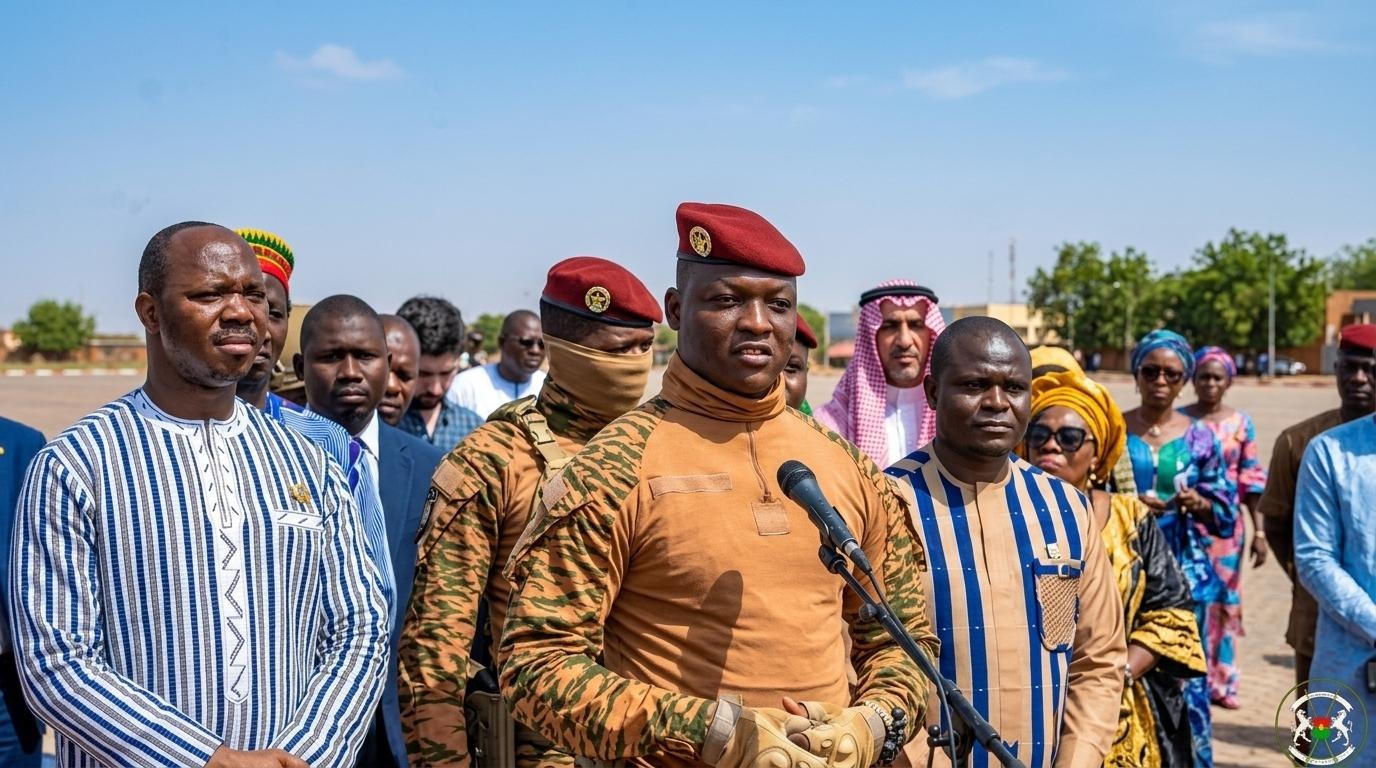
The Burkina Faso government is reshaping its gold industry with a bold push for economic independence. Since establishing the National Precious Metals Company (SONASP) in 2023 and launching key initiatives like the national gold refinery in Ouagadougou, the transitional administration has made clear its priority: reclaiming full control over the gold supply chain and strengthening national economic sovereignty.
Yet beneath the rhetoric of self-reliance and the impressive first-half figures—dozens of tonnes of gold flowing into official channels—the strategy faces deep structural paradoxes and mounting geopolitical pressures. The balance between transformation and exposure remains delicate.
Partnerships in flux: breaking old ties, risking new ones
The government’s mining policy hinges on reshaping its international alliances. By awarding new exploration and extraction permits to foreign firms—including Russian companies such as Nordgold—the authorities aim to diversify their mining partners and reduce reliance on traditional Western operators.
But this pivot introduces fresh concerns:
- New dependencies: Replacing long-standing partners with entities tied to specific geopolitical blocs could expose Burkina Faso to fresh vulnerabilities, especially in trade, finance, and technical cooperation.
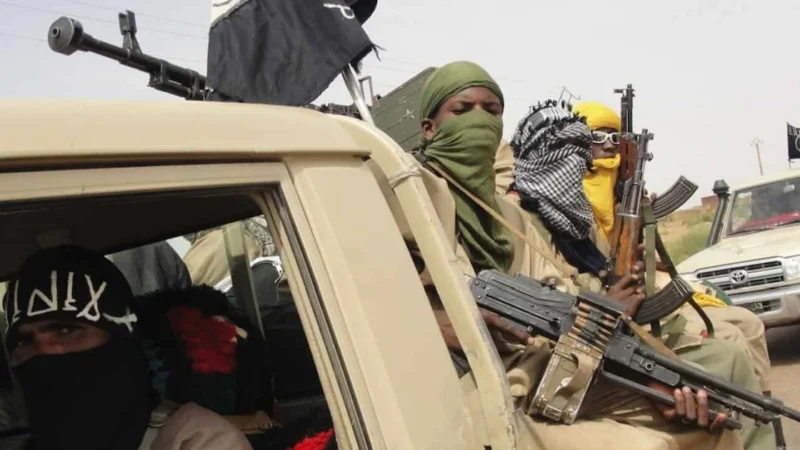
- Governance and oversight: The real test lies in the ability of oversight bodies like the General Directorate of Mines and Geology (BUMIGEB) and SONASP to enforce strict traceability, prevent smuggling, and ensure that local communities receive meaningful benefits. This challenge is compounded by ongoing security threats that disrupt both artisanal and industrial mining operations.
Storage rumors: a litmus test for national sovereignty
Persistent speculation about plans to ship or store part of Burkina Faso’s gold reserves in the Russian Federation has sparked intense debate. While the Ministry of Economy and Finance quickly dismissed these claims as misinformation, the episode highlights the risks of managing a strategic asset like gold in a volatile global context.
The concerns extend beyond rumor:
- Financial fragility: Depositing sovereign gold reserves with a country under international sanctions and banking restrictions could undermine liquidity and legal certainty for Burkina Faso’s assets.
- Sovereignty at stake: Gold is the ultimate financial safeguard for a nation. Entrusting it to a foreign entity—especially one facing geopolitical isolation—contradicts the very goal of achieving full domestic control over the resource.
A local revolution? Refining and formalizing the gold economy
The launch of a national gold refinery in Ouagadougou symbolizes a major step toward local value addition. Yet, significant operational and economic hurdles remain:
- Supply chain integrity: Ensuring a steady flow of raw gold to the refinery requires clamping down on fraud and smuggling from artisanal sites, many of which operate in high-risk zones.
- Real benefits for communities: Beyond boosting state revenue, the sector must generate sustainable jobs and support local development, especially in mining regions.
While the government’s push to rebalance mineral revenue in favor of the state is understandable given national economic needs, long-term sovereignty will only be secured through transparent institutions, internal safeguarding of reserves, and the development of domestic infrastructure—rather than exposing national assets to complex external geopolitical negotiations.