Bénin: a landmark meeting between romuald wadagni and aliko dangote reshapes economic ties
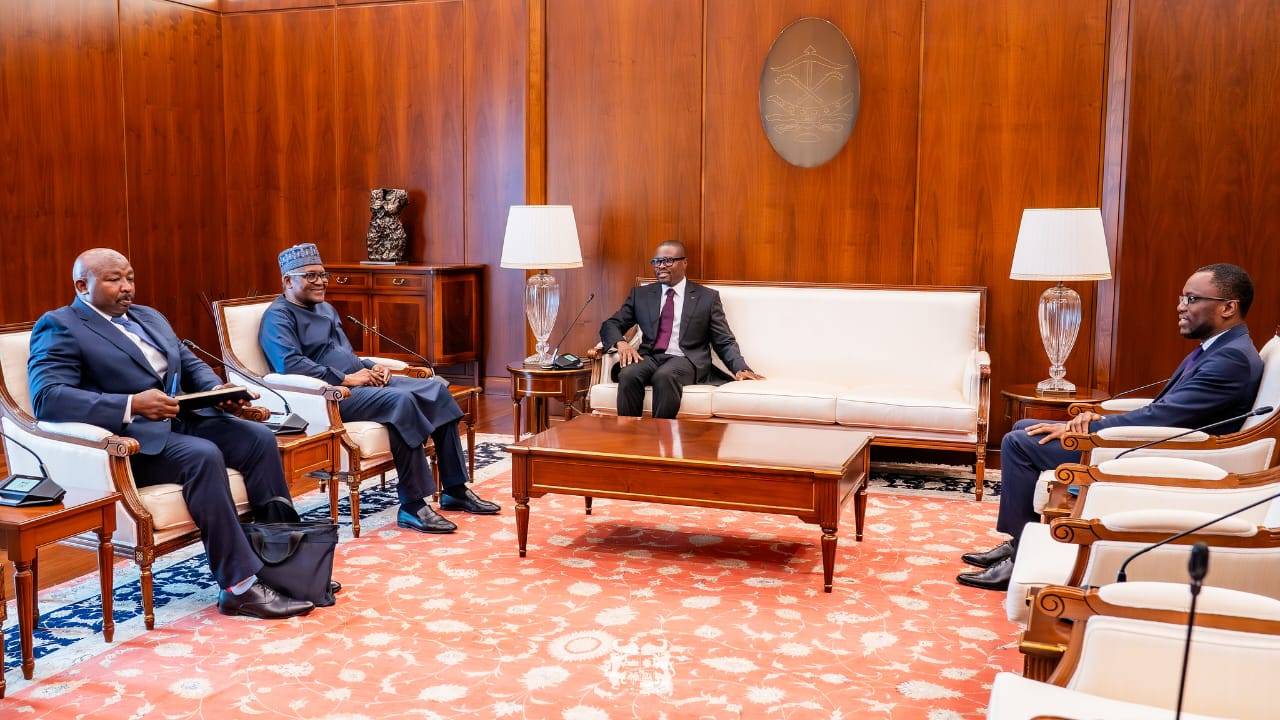
Cotonou’s corridors buzz as Wadagni meets Dangote in a historic summit
On Tuesday, July 28, 2026, a high-stakes diplomatic gathering unfolded at the Palais de la Marina in Cotonou. At the center of the event: Beninese President Romuald Wadagni welcomed Africa’s richest industrialist, Nigerian billionaire Aliko Dangote, for a landmark audience aimed at deepening economic ties between Benin and Nigeria. The meeting underscored a shared commitment to strengthening bilateral cooperation and unlocking new avenues for growth across West Africa.
The significance of this meeting extends beyond protocol. In a region where economic resilience hinges on strategic alliances, the encounter between Wadagni and Dangote signals a bold step toward accelerating regional integration and fostering mutually beneficial partnerships.
Dangote’s industrial footprint stretches toward Benin
Aliko Dangote, founder and chairman of the Dangote Group, stands as a towering figure in African industry. His conglomerate spans cement, sugar, agro-processing, logistics, and now petroleum refining, with the recently commissioned Dangote Refinery in Nigeria poised to redefine energy security across the continent.
For the Dangote Group, Benin is far more than a neighboring state—it is a critical market gateway, a strategic logistics hub linking Nigeria to the broader West African hinterland. Trade flows between the two nations, both formal and informal, have long been robust, and this meeting offered an opportunity to elevate that relationship to a new level of economic cohesion.
The industrialist reiterated his keen interest in Benin’s untapped potential, emphasizing the need to identify high-impact projects that could serve both the Beninese market and neighboring landlocked countries. According to close associates, Dangote’s vision is clear: harness industrial strength with state-led strategic planning to unlock unprecedented growth opportunities in West Africa.
« The potential for growth in West Africa is vast when we align private sector dynamism with forward-thinking government policies, » noted a senior advisor present during the discussions.
What Benin stands to gain from the new alliance
The implications for Benin’s economy are far-reaching, with potential benefits spanning investment, employment, infrastructure, and energy security.
Boosting foreign direct investment (FDI)
Any new or expanded projects initiated by the Dangote Group would inject substantial foreign capital into Benin’s economy. Whether through cost-competitive construction materials or advanced storage infrastructure, each investment bolsters the nation’s industrial base and strengthens economic fundamentals.
Job creation and skills development
Major industrial undertakings inherently generate employment opportunities—both direct and indirect—particularly for Benin’s growing youth population. Beyond employment figures, the transfer of technical expertise and modern management practices promises to elevate the local workforce’s skill set and productivity.
Revitalizing the Port of Cotonou and logistics networks
Cotonou’s Autonomous Port remains the economic heartbeat of Benin. Enhanced collaboration with Dangote-linked entities could streamline trade flows, optimize road and rail corridors, and significantly boost customs and tax revenues for the national treasury.
Securing energy supply and agricultural inputs
With the Dangote Refinery now operational in Nigeria, Benin could secure preferential access to refined petroleum products and petrochemical derivatives—such as fertilizers—critical for the country’s agricultural sector. This would reduce Benin’s vulnerability to volatile global markets and stabilize domestic supply chains.
From rivalry to partnership: A new Benin-Nigeria economic axis
Historically, trade relations between Benin and Nigeria have been marked by political fluctuations and abrupt border closures, disrupting economic stability. The meeting between Wadagni and Dangote marks a decisive shift toward normalization and pragmatic economic engagement.
By engaging directly with Nigeria’s most influential private sector leaders, Benin’s government is signaling a strategic pivot: transforming from a passive neighbor into a vital logistics, financial, and services hub for Nigerian industrialists. This alignment positions Benin not as a subordinate to Africa’s largest economy, but as an indispensable partner in regional value chains.
The move also presents an opportunity to formalize cross-border trade, shifting transactions from informal channels to structured, taxable systems. This shift would enhance government revenue collection while fostering a more transparent and resilient economic environment.
A turning point for Benin’s economic future
This historic audience on July 28, 2026, represents a pivotal moment in President Romuald Wadagni’s economic roadmap. By hosting Aliko Dangote at the Palais de la Marina, the Beninese head of state has set the stage for large-scale industrial and financial partnerships that could redefine the nation’s economic trajectory.
While formal agreements and operational roadmaps are still in development, the intent is unmistakable: to position Benin as a magnet for high-impact investments and to leverage its geographic proximity to Nigeria as a catalyst for national prosperity. The coming weeks will reveal the first concrete projects emerging from this strategic dialogue—and their transformative potential for the Beninese economy.