Senegalese president’s visit to Mali: bridging divides for Sahel security
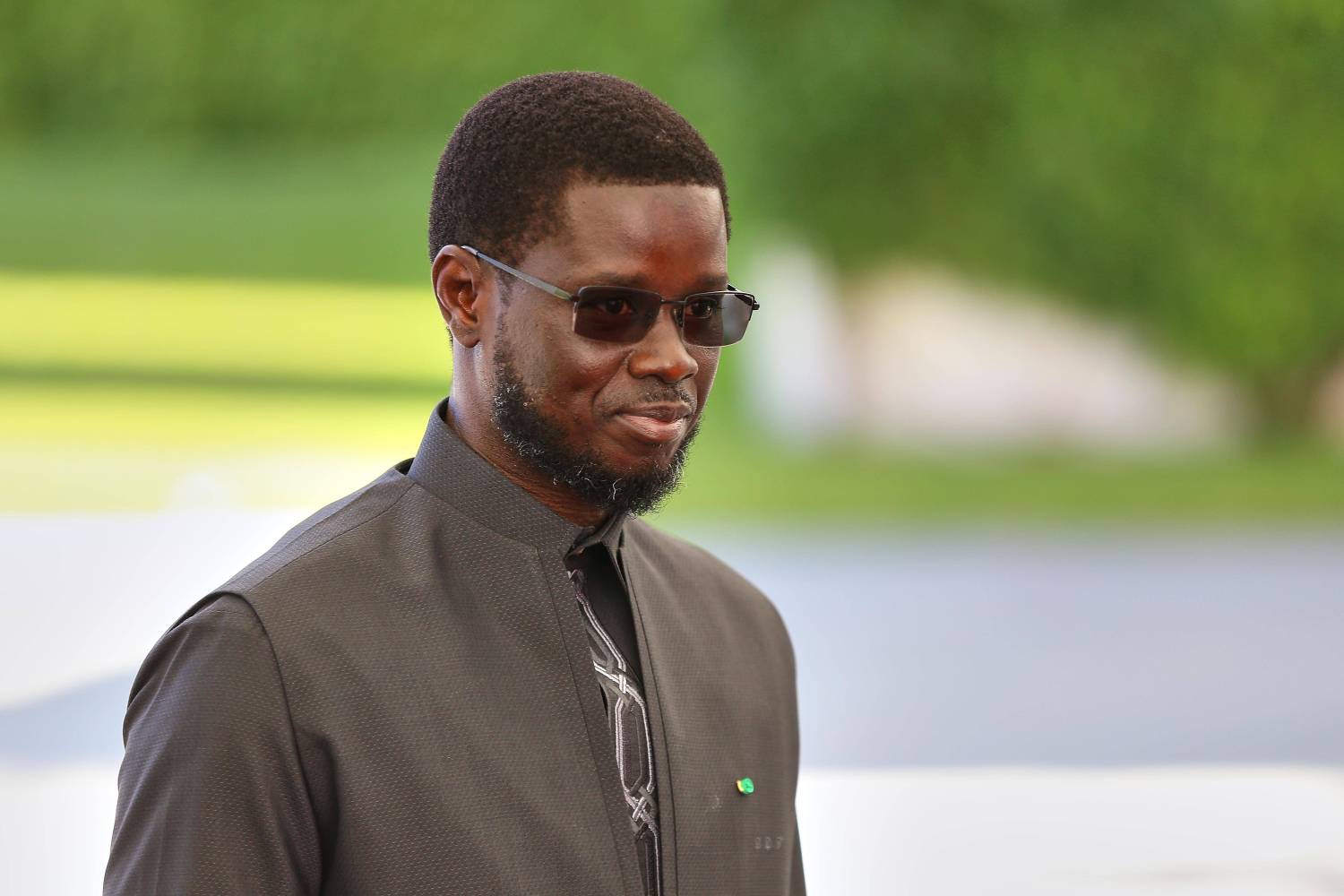
Senegal’s president and current chair of the Economic Community of West African States (ECOWAS) arrived in Bamako on July 28 for a crucial meeting with Mali’s transitional leader. Against a backdrop of political tensions, the visit underscores a shared commitment to combating terrorism across the Sahel region.
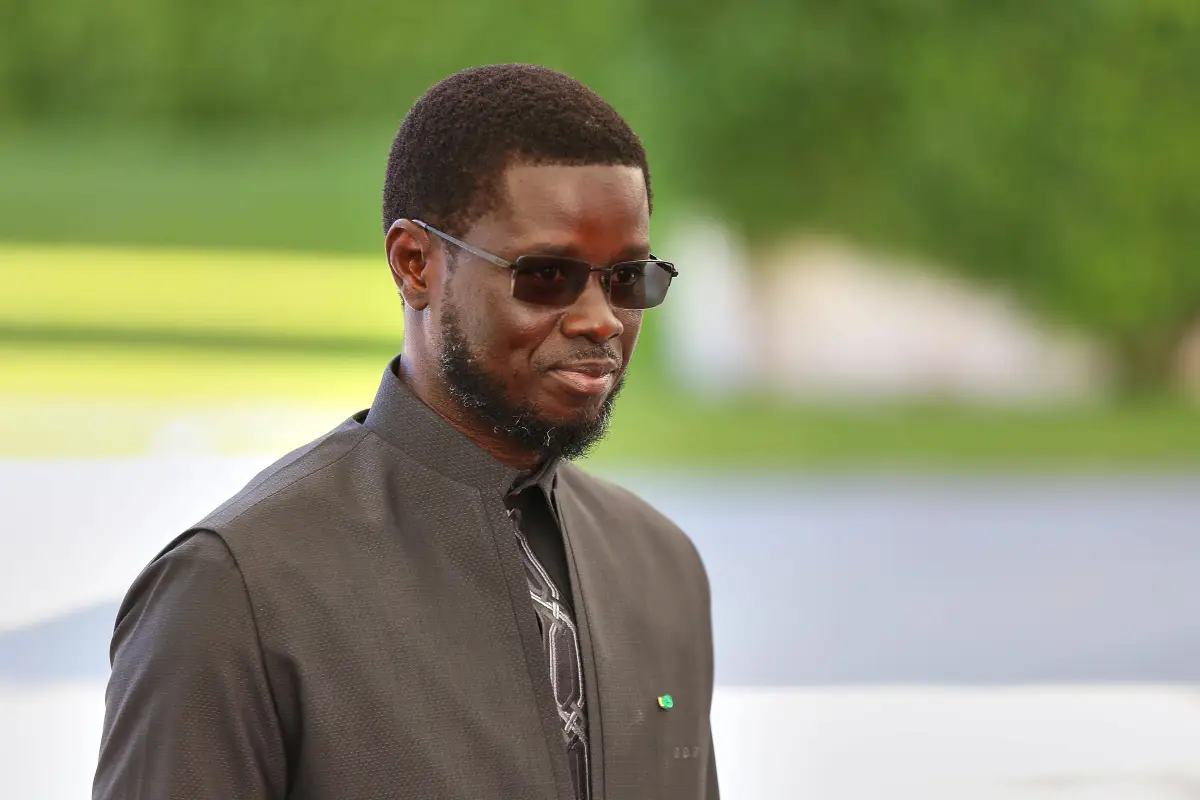
When Bassirou Diomaye Faye assumed Senegal’s presidency in 2024, one of his first regional trips took him to neighboring Mali. Two years later, he returns to Bamako in his new capacity as ECOWAS chair, a role he assumed on July 19. The timing of this visit reflects both continuity and urgency in West African diplomacy.
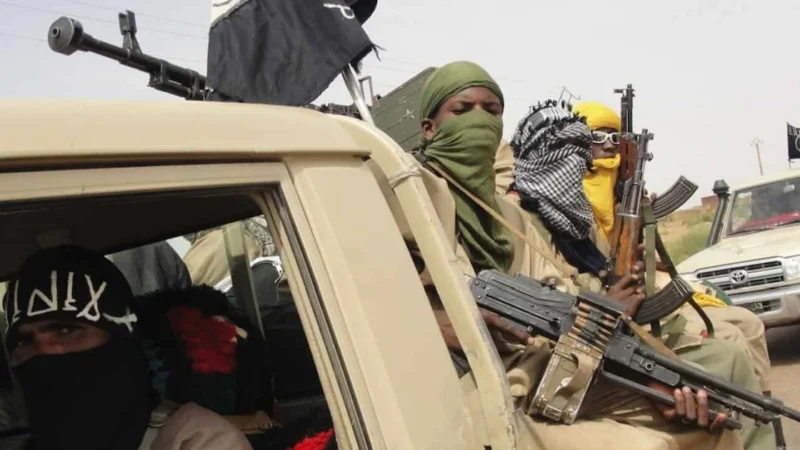
Despite persistent political disagreements between Dakar and Bamako, the two leaders are prioritizing a united front against the escalating terrorist threat plaguing the Sahel. Security cooperation has become a non-negotiable pillar for regional stability, even as diplomatic frictions persist over governance and institutional matters.
Converging priorities in an unstable region
The Sahel continues to face severe security challenges, with armed groups exploiting porous borders and weak governance structures. Both Senegal and Mali, though at different stages of their respective transitions, recognize that terrorism transcends national boundaries. This shared threat has compelled both governments to set aside political differences in favor of coordinated action.
During the meeting, discussions likely focused on strengthening intelligence sharing, joint military operations, and cross-border security initiatives. The ECOWAS chair’s presence underscores the bloc’s renewed emphasis on collective defense mechanisms, particularly in light of recent attacks in border regions.
Diplomatic tensions meet practical cooperation
While political tensions between Senegal and Mali remain unresolved, the visit demonstrates a pragmatic approach to regional security. Both nations are navigating complex internal and external challenges, from political transitions to economic pressures. Yet, the imperative to protect citizens and maintain regional cohesion has taken precedence in this critical moment.
As the Sahel grapples with a multifaceted crisis, the Senegalese president’s engagement in Bamako signals a renewed push for solidarity among West African states. Whether this will translate into tangible outcomes remains to be seen, but the commitment to dialogue and cooperation is a step in the right direction.
Key topics in this article