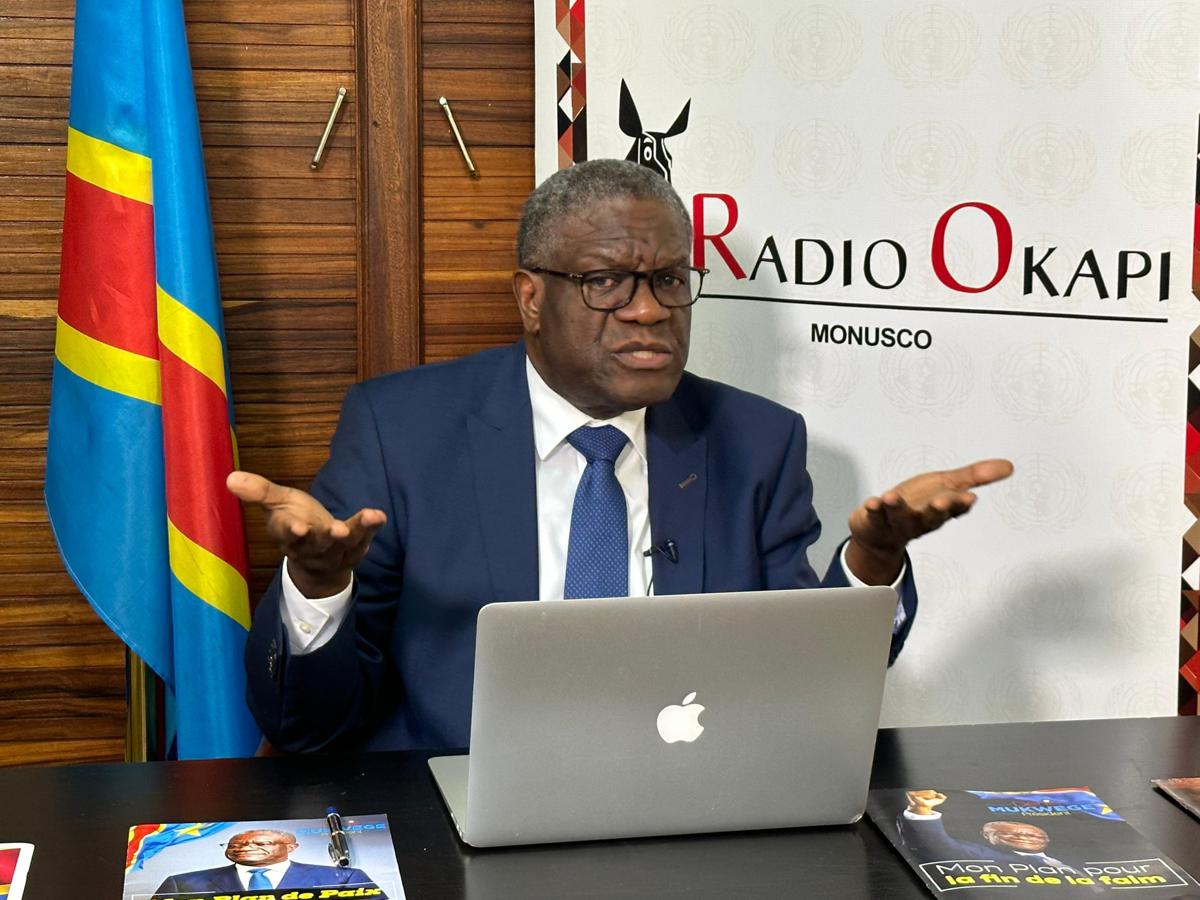
In an open letter addressed to President Félix Tshisekedi on Tuesday, June 30, 2026, Nobel Peace Prize winner Denis Mukwege delivers a harsh assessment of the country’s governance since 2019. He particularly criticises the ongoing security crisis in eastern DRC, the handling of the state of siege, the government’s diplomatic choices, security sector reform, and issues related to national sovereignty.
Mukwege also urges the head of state to preserve national unity, avoid tampering with the constitution, and prioritise peace, justice, and the protection of citizens as core national objectives.
Rejecting corruption and impunity
In his open letter, he states there is “nothing to celebrate” on this anniversary of the country’s independence. According to him, the DRC is experiencing a deep crisis marked by insecurity, the suffering of its people, and threats to the nation’s territorial integrity.
The Nobel laureate revisits several decisions made since the president took office in 2019. He highlights mismanagement of the state of siege, failed security policies in the east, and questionable diplomatic moves with regional and international partners.
Mukwege also laments the lack of meaningful progress in fighting impunity. He specifically regrets that recommendations for transitional justice and the creation of a court to try serious crimes committed in the DRC have not materialised.
Opposing constitutional reform
The unsuccessful candidate from the 2023 presidential election further expresses concern over “risks to national sovereignty” and calls on the president to focus on restoring peace, protecting civilians, strengthening the rule of law, and improving governance.
Mukwege urges Tshisekedi not to initiate a constitutional revision process and to seize “this last chance” to put the country on a path toward a sustainable resolution of the crisis.