Cholera outbreak in Niger raises alarm among health officials
Over 600 cholera patients have been hospitalized in recent weeks across the Maradi and Zinder regions of Niger.
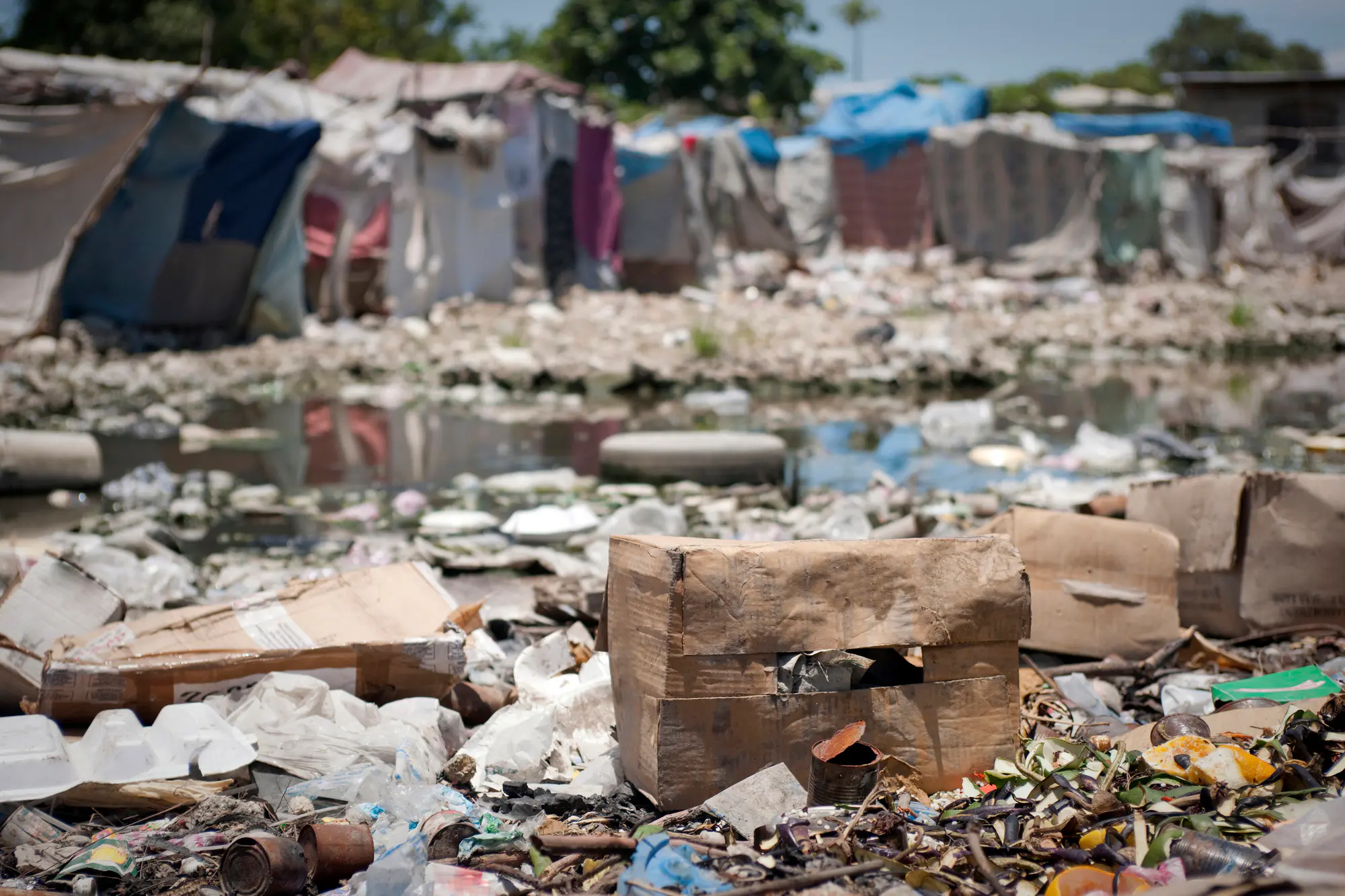
Heavy rainfall along the border between Niger and Nigeria has triggered a fresh cholera outbreak. This acute intestinal infection stems from bacteria thriving in contaminated, stagnant water. According to official reports, more than 600 cases have been confirmed in the affected regions. To date, 400 patients have recovered, while 156 remain under medical supervision.
Cholera spreads rapidly through contaminated water and food, particularly when hygiene practices are inadequate, sanitation systems fail, and access to clean drinking water is limited. Strengthening hygiene measures and raising public awareness are critical steps in controlling this disease’s transmission.
The importance of awareness
Since the last major outbreak in 2018, cholera has reappeared sporadically in Niger. The infection, caused by bacteria in polluted water, has faded from public memory, leaving populations with waning immunity. This year, communities are especially vulnerable to the disease.
In response, health authorities have established treatment centers in the worst-affected regions of Niger, where the outbreak has already claimed at least 19 lives. Healthcare workers are actively educating residents about free treatment options and preventive measures. However, with torrential rains exacerbating the spread of cholera, a lasting solution requires significant improvements in sanitation infrastructure and access to safe drinking water.