Chad baccalaureate 2026: 106,231 candidates set for exams from june 8
Chad is gearing up for a pivotal academic milestone as the nationwide baccalaureate written exams for 2026 approach. Scheduled from June 8 to 13, the upcoming session will see 106,231 candidates across the country and one overseas center, all under stringent measures designed to uphold the integrity of the examination process.
Comprehensive preparations and record participation
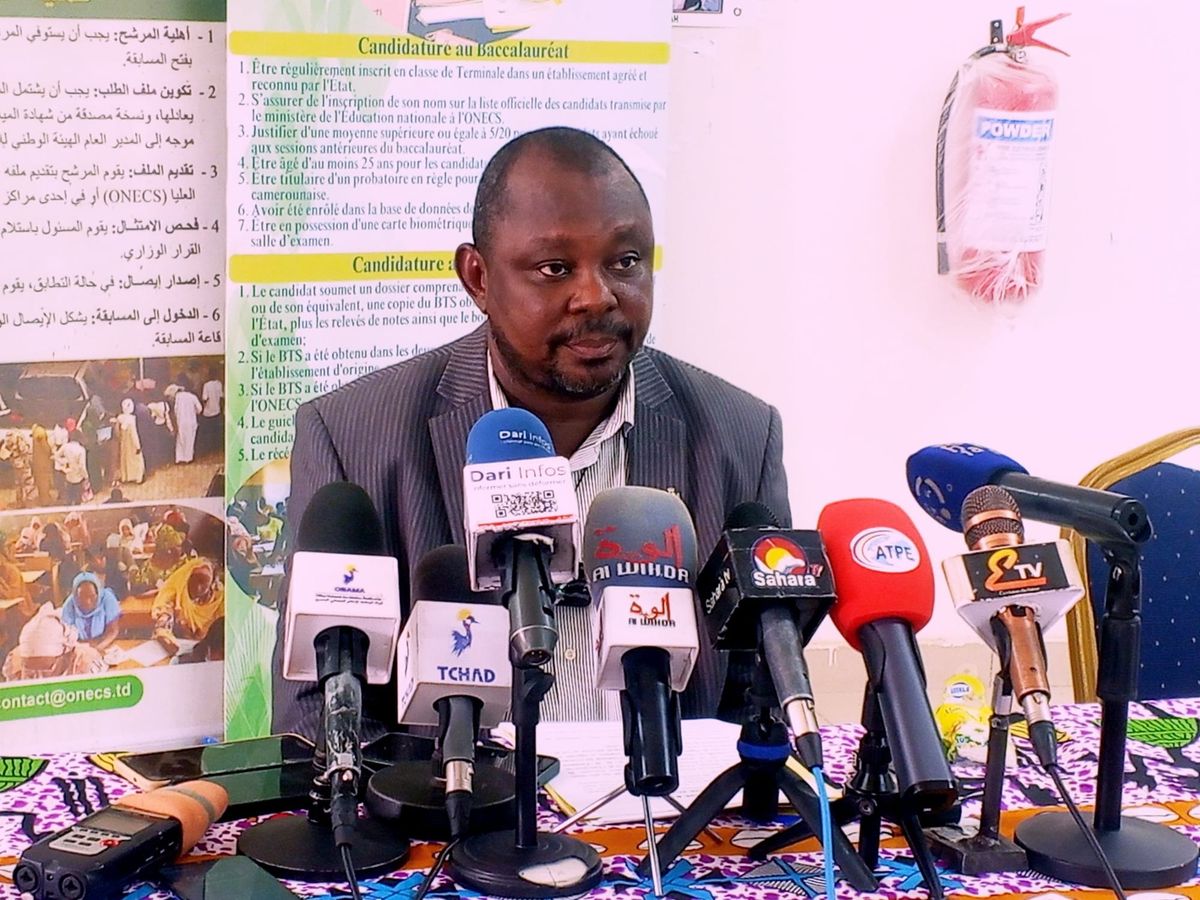
At a press conference held on June 7 in N’Djamena, the chair of the baccalaureate jury, Professor Doumpa Mian Asmbaye, outlined the meticulous preparations and key statistics for this year’s exams. Addressing educators, officials, and the media in the Abderahim Akacha hall of the ONECS, he highlighted the collective efforts of the Ministry of National Education, the Ministry of Higher Education, and the National Office of Higher Education Examinations and Competitions.
The total number of registered candidates has reached 106,231, reflecting a diverse pool of learners from public and private institutions. The breakdown includes 60,501 boys (56.95%) and 45,730 girls (43.05%), with an additional 5,893 foreign candidates (5.55%) participating in the Saudi Arabian center in Jeddah. Notably, the participation of female students has seen a modest yet encouraging increase compared to the previous session, rising from 45,536 to 45,730.
Strategic exam center distribution
To ensure accessibility and efficiency, 160 examination centers have been designated nationwide: 31 in N’Djamena, 128 in regional districts, and one international location. This strategic distribution aims to minimize logistical challenges while maintaining robust security and supervision protocols.
Zero-tolerance policy for exam malpractice
The baccalaureate jury has reiterated strict enforcement of examination regulations, including a nationwide ban on mobile phones and electronic devices within exam centers. Joint Ministerial Order No. 48, issued on May 6, 2026, underscores this zero-tolerance approach, with violators facing penalties up to disqualification. Candidates are urged to familiarize themselves with the “baccalaureate police” guidelines posted in every center to avoid unintended infractions.
The chair emphasized the critical role of invigilators in enforcing these rules, ensuring a level playing field for all candidates. Vigilance extends from entry points to exam halls, leaving no room for deviations that could compromise the examination’s credibility.
A united call for success
Beyond logistical and regulatory preparations, Professor Doumpa Mian Asmbaye issued an appeal for broad-based support. He called on administrative, military, and educational authorities, as well as parents and community leaders, to contribute to a seamless examination process. “The jury relies on the collective commitment of all stakeholders to ensure these exams are conducted flawlessly,” he stated, stressing the importance of safeguarding the reputation of Chad’s baccalaureate system.
With unwavering determination, the chair extended heartfelt encouragement to the 106,231 candidates, acknowledging their dedication, perseverance, and the high expectations surrounding this defining moment in their academic journeys. As the nation watches, the stage is set for a successful and credible baccalaureate session in 2026.