The Cameroonian government has entered an advanced phase of negotiations to repurchase the 56% stake held by British energy group Globeleq in two key power generation companies. Discussions with the London-based investor focus on acquiring its shares in Kribi Power Development Company (KPDC) and Dibamba Power Development Company (DPDC), with an indicative valuation of around 80 billion CFA francs (approximately $138 million). While no formal offers have been submitted yet, the talks have progressed enough to suggest a potential conclusion by the end of 2026.
Kribi and Dibamba plants: pillars of Cameroon’s electricity supply
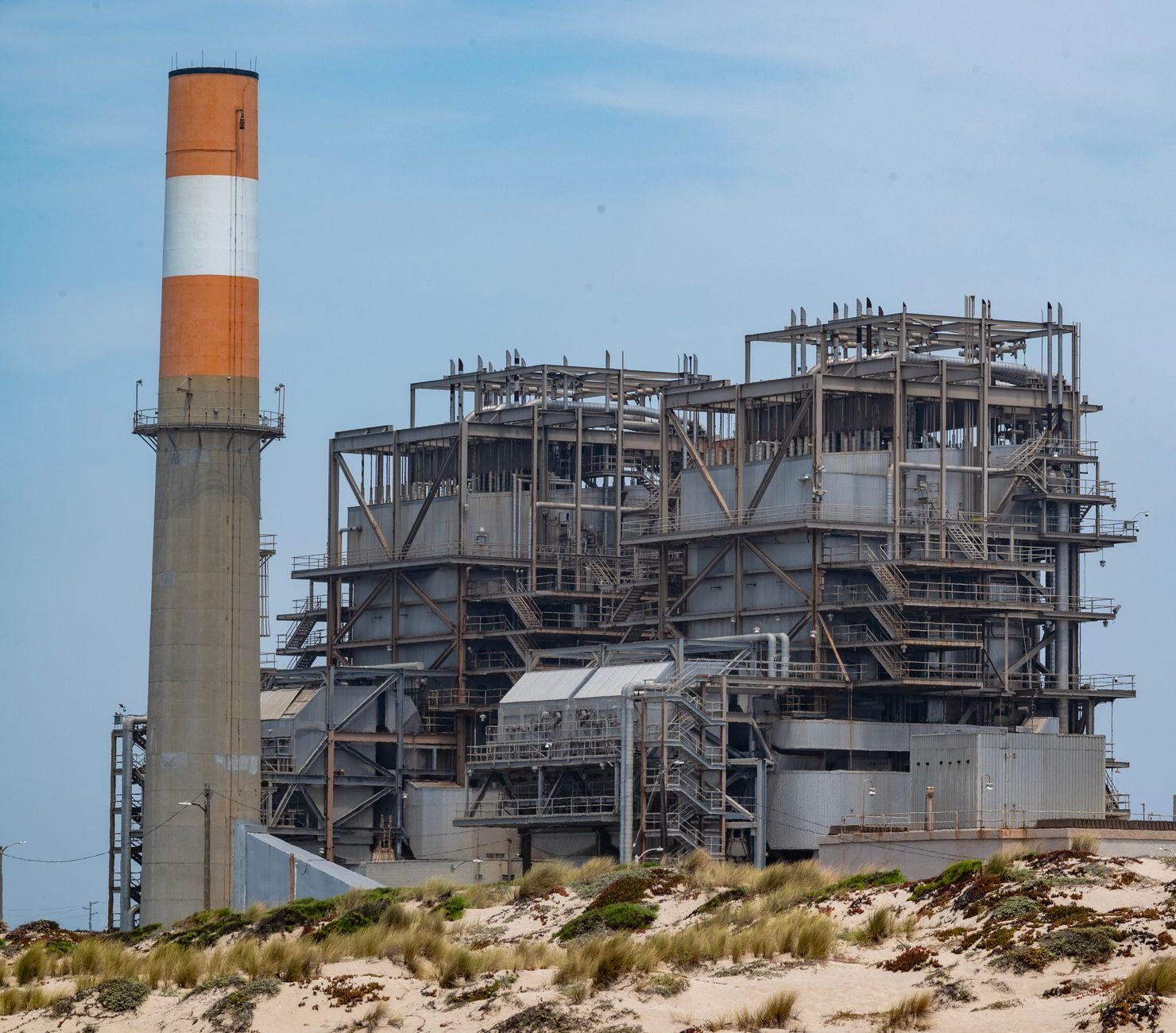
The assets at the center of this deal are far from insignificant. The Kribi gas plant, commissioned in 2013 in the South region, boasts a 216-megawatt capacity and powers the interconnected Southern grid, the country’s primary consumption hub. Meanwhile, the Dibamba thermal plant—operating on heavy fuel oil near Douala—generates 88 megawatts and serves as a backup during peak demand or hydroelectric shortages. Combined, these facilities represent a substantial portion of Cameroon’s thermal capacity, which operates alongside a hydropower-dominated system vulnerable to seasonal rainfall variations.
The gradual ramp-up of the Nachtigal dam, nearing full operational capacity, is reshaping Cameroon’s energy landscape. Authorities are recalibrating the role of existing thermal plants within this new framework: the Kribi gas plant would maintain its foundational role, while Dibamba would serve primarily as a contingency asset. Regaining full capital control over these operations would grant the state greater influence over operational decisions, maintenance policies, and pricing strategies.
Strategic implications of the government’s takeover plan
Globeleq, co-owned by the UK’s CDC Group and Norway’s Norfund, established its Cameroonian foothold in 2014 by acquiring assets previously held by AES. The group’s potential exit aligns with a broader trend among independent power producers (IPPs) in Africa, who are recalibrating their portfolios amid shifting regulatory landscapes and growing state ambitions to reclaim control over critical infrastructure. Cameroon’s electricity sector, plagued by structural hurdles—including Sonatrel’s financial fragility and accumulated arrears to private producers—exemplifies this evolving dynamic.
The proposed $138 million price tag raises immediate financial questions. With the state’s fiscal space constrained by debt servicing and IMF program commitments, potential funding avenues could include multilateral partnerships, regional bond issuances through the Beac market, or the introduction of a technical replacement partner. The chosen legal structure will also impact tariff trajectories in a country where electricity prices remain state-regulated—a delicate balance that risks sparking social unrest if mismanaged.
Regional ripple effects for independent power producers
The outcome of this transaction will be closely watched by private investors across Central Africa’s IPP landscape. How Yaoundé navigates valuation precision, ensures operational continuity, and secures a sustainable deal will send a clear message to funds and developers eyeing similar projects in Gabon, Congo, or Côte d’Ivoire. Conversely, a poorly structured agreement or mishandled disengagement could erode investor confidence at a time when the sector urgently needs private capital for generation, transmission, and distribution upgrades.
The tight timeline implies that critical issues—such as final valuation and the fate of existing power purchase agreements—must be resolved within the next few months to meet the 2026 deadline. Negotiations are ongoing to finalize terms before year-end.