On March 24, 2026, the African Media Network for the Promotion of Health and the Environment (REMAPSEN) hosted a critical discussion centered on the theme: “Security crisis and declining external funding: what endogenous alternatives to guarantee sexual and reproductive health rights/family planning in Burkina Faso?”
As the country grapples with a persistent security crisis and a gradual reduction in support from international donors, Burkina Faso faces the urgent task of maintaining the continuity of sexual and reproductive health (SRH) services. According to data from the Ministry of Health, external partners previously provided nearly 81% of the funding in this sector. However, this contribution has fallen sharply in recent years, prompting national stakeholders to develop domestic strategies.
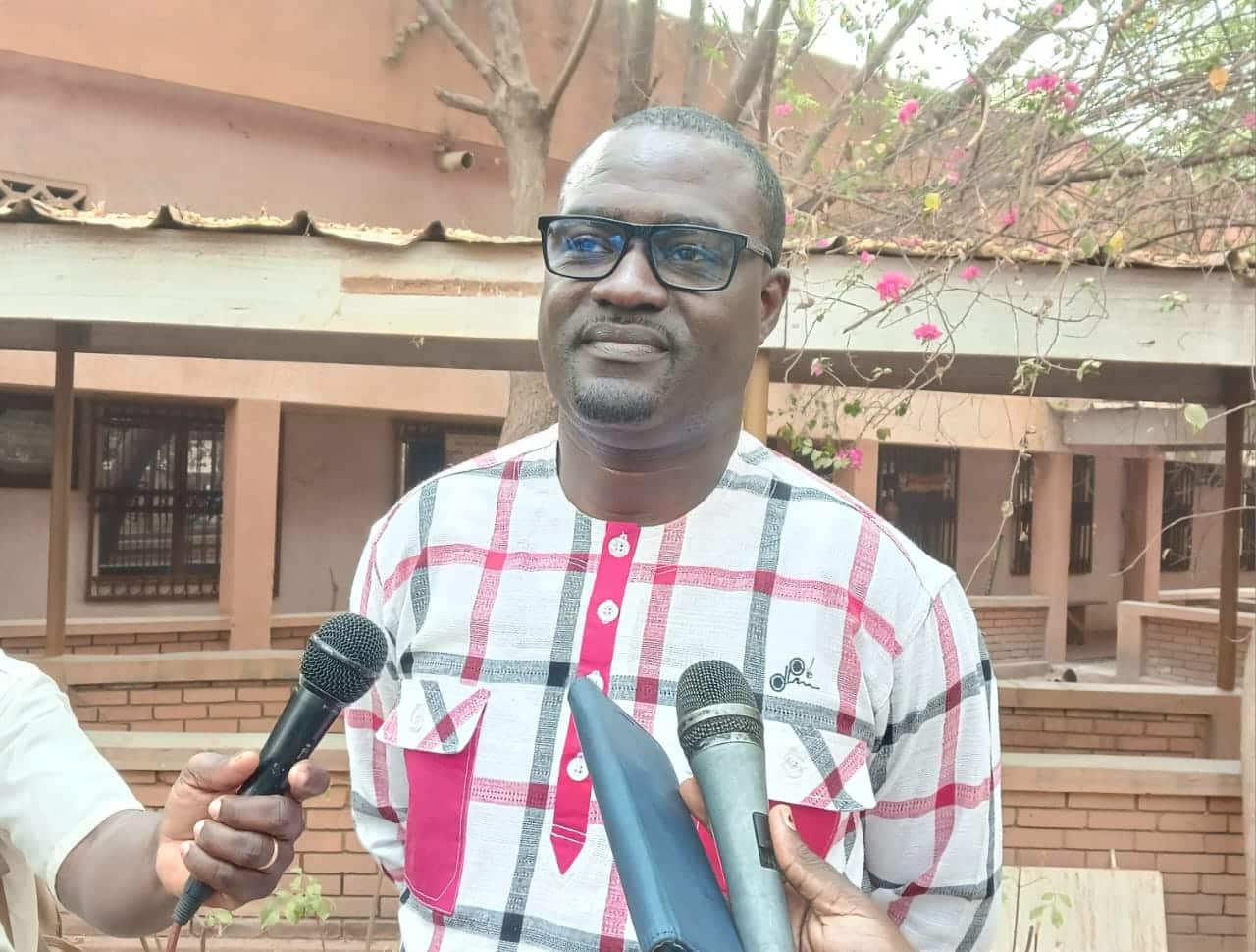
Désiré Thiombiano, the director of AMS synergie Burkina Faso, argues that the solution lies in community mobilization and increased public awareness. “We can no longer wait for the return of international partners. It is our responsibility to invest in sexual health ourselves to prevent early pregnancies, child marriages, and maternal deaths,” he emphasized.
Strategies for sustainable local funding
To achieve this, the expert recommended educating populations on the importance of contributing to resource mobilization. He also called for the promotion of positive masculinity by involving religious and community leaders in advocacy efforts. Finally, he suggested institutionalizing community-based fund collection through local authorities to ensure transparent and sustainable financial management.
Dr. Clarisse Bougma, representing the director of family health, highlighted the significant investments already made by the state. Between 2020 and 2025, the government of Burkina Faso allocated approximately 3.9 billion CFA francs for the procurement of contraceptive products. Despite the drop in foreign aid, the ministry intends to maintain its efforts, particularly in regions that are difficult to access.
“Prioritizing the mobilization of local resources is a strategic necessity. This approach will ensure the longevity of our programs and accelerate progress toward international health objectives,” she noted.
The role of media in health sovereignty
Boureima Sanga, the coordinator of REMAPSEN Burkina Faso, stated that this meeting is part of a broader effort to strengthen the advocacy skills of journalists. “In a context marked by multiple crises, it is vital that the media understands local financing mechanisms to better inform the public and support national health sovereignty,” he explained.
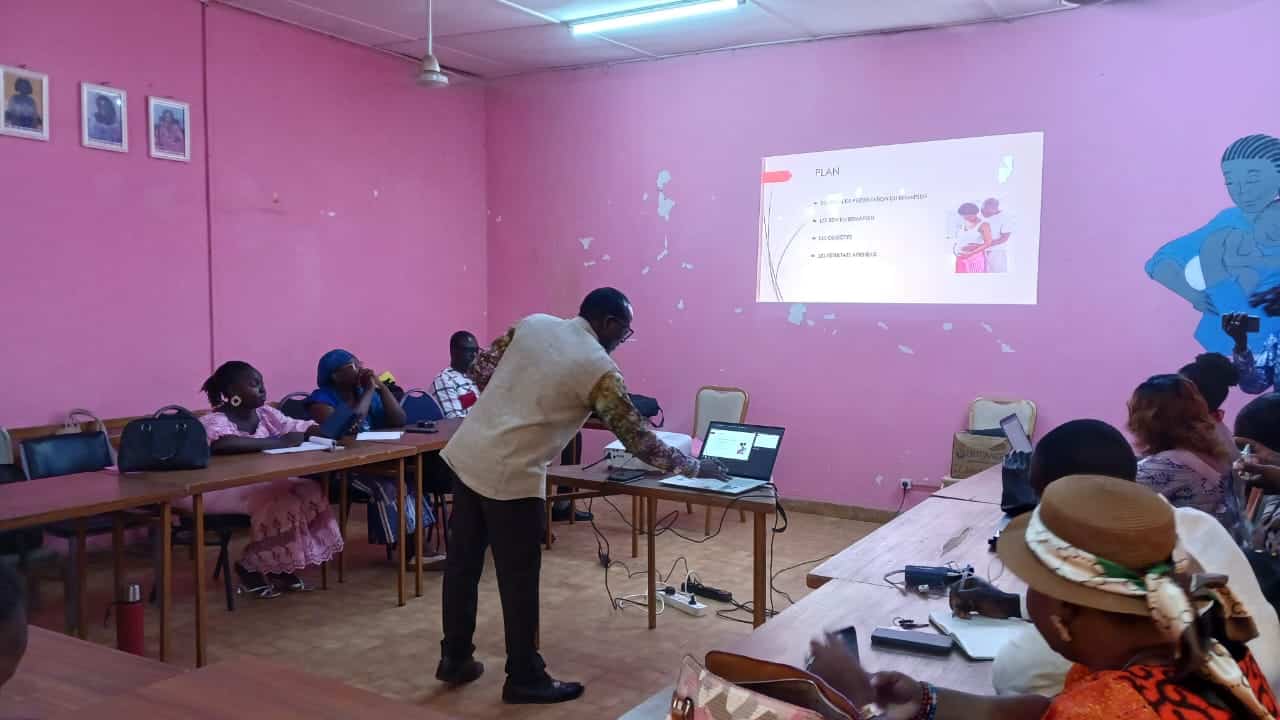
Founded in June 2020, REMAPSEN frequently organizes these exchanges with the support of the Ouagadougou Partnership to promote local and sustainable health solutions throughout the region.