Benin president romuald wadagni sworn in after uncontested election
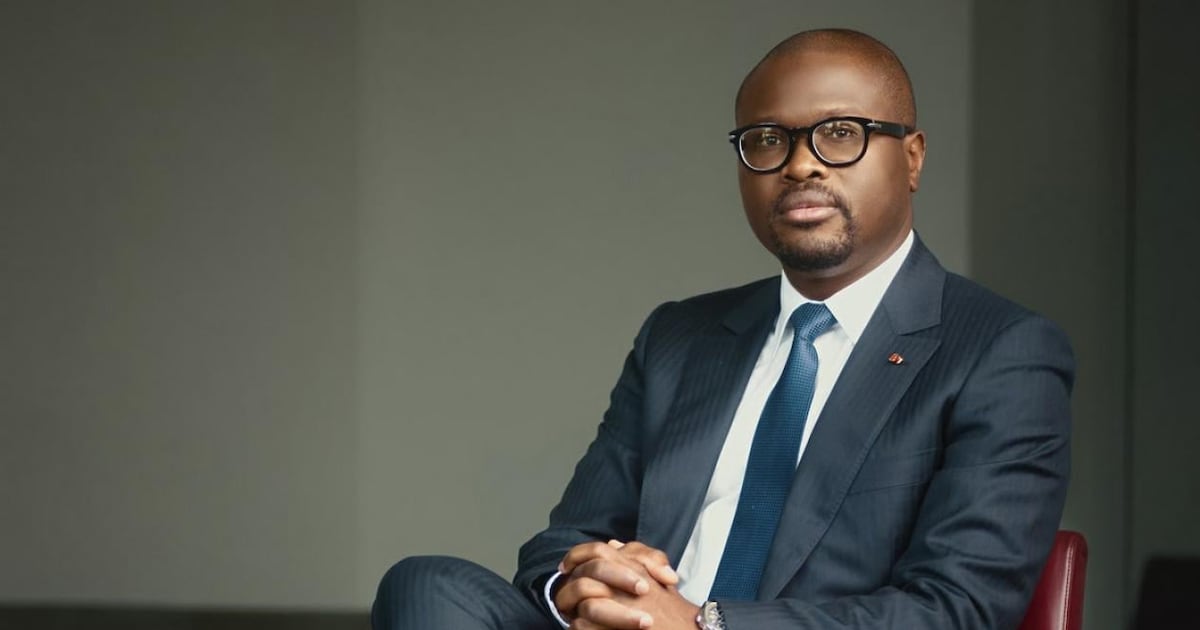
Romuald Wadagni, set to turn 50 next month, has officially begun his seven-year presidential term after a smooth transition of power in Bénin.
His inauguration took place Sunday morning at the presidential palace in Cotonou, the country’s economic hub. Unlike previous ceremonies, this event notably excluded other heads of state, reflecting a shift in diplomatic norms for the nation.
The April 12 election that secured his victory was uncontested. His sole opponent, Paul Hounkpè of the now-defunct Forces cauris pour un Bénin émergent (FCBE), has since aligned with the ruling majority. Meanwhile, the main opposition party, the Démocrates, failed to meet the sponsorship requirements and remains deeply divided.
During his inaugural address, Wadagni paid tribute to his predecessor before outlining key campaign promises. “National growth only holds meaning when it transforms the daily lives of our people,” he declared.
Addressing the nation’s youth, he added, “To the young Béninois who reject outdated constraints and seek success through hard work here at home, I say this: Bénin believes in you and will give you the tools to thrive.”
security and regional diplomacy: pressing challenges ahead
As president, Wadagni inherits a robust economic agenda from his predecessor, having previously served as Bénin’s Finance Minister. However, he now faces mounting security threats in the northern regions, where jihadist groups continue to exploit local vulnerabilities.
“Bénin will not yield to fear or complacency,” he asserted, vowing a firm state response to threats against national unity and security. He emphasized the need for “collaborative efforts” with neighboring countries to address shared challenges.
Diplomatic relations with regional partners, particularly Niger, remain delicate. The two nations have traded accusations of destabilization, while Niger’s sovereignist junta has distanced itself from Western allies. Sunday’s ceremony saw a notable thaw in relations, with Niger’s Prime Minister, Ali Mahaman Lamine Zeine, in attendance and warmly received. High-ranking officials from Burkina Faso and Mali also marked the occasion.
The new president’s early decisions on press freedom will be closely monitored, especially following criticism of his predecessor’s crackdown on dissent. A prominent watchdog recently urged Wadagni to prioritize media freedom and release imprisoned journalists.
Bénin’s next electoral cycle is now six years away, following a constitutional reform that consolidates all votes—national and local—into a single year.
from academia to the presidency: a technocrat’s journey
Born into an intellectual family—his father, Nestor, was a renowned economist, and his mother an entrepreneur—Wadagni was raised in Lokossa, a town in southwestern Bénin near the Togo border. He has long maintained ties to his roots, owning an agricultural estate he continues to oversee.
His early career unfolded far from home. After studying finance in Grenoble, France, and completing training at Harvard, he joined Deloitte, where he rose to partner and led African operations.
In 2016, at 39, he was appointed Finance Minister by then-President Patrice Talon to implement sweeping economic reforms. Under his leadership, Bénin reduced its deficit to 3% of GDP, launched major infrastructure projects, and modernized its economy. When Talon secured re-election in 2021, he promoted Wadagni to Minister of State.
Analysts anticipate continuity in governance, with Wadagni expected to sustain the momentum of Bénin’s economic growth, which has averaged over 6% annually. International investors continue to favor the country as a stable West African partner.
“Leadership today demands less rhetoric and more action,” noted political commentator Lucien Fayomi. “Wadagni represents a new generation—pragmatic, results-driven, and focused on tangible impact.”
While some critics argue his reserved demeanor lacks boldness, supporters view it as a strength in an era where efficiency and sobriety are prized. His ability to unite disparate factions during the campaign—securing backing from major ruling parties and former opponents—has further solidified his reputation as a unifying figure.