A former pastef executive’s reflections on ousmane sonko’s leadership and Senegal’s republican ideals
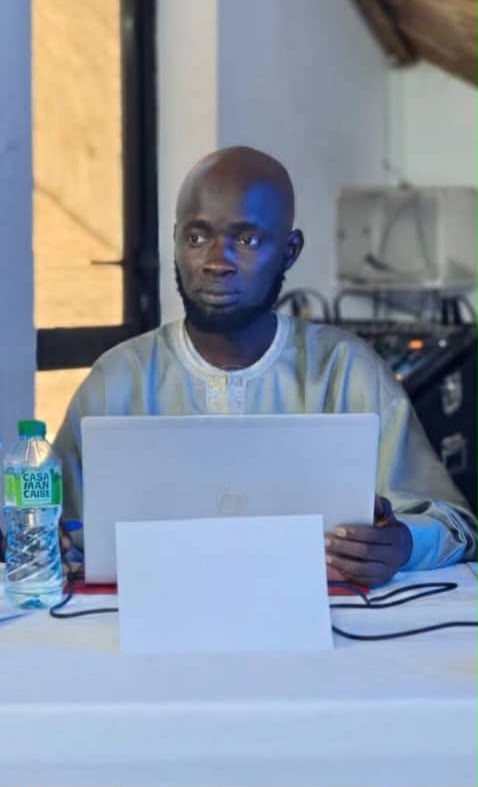
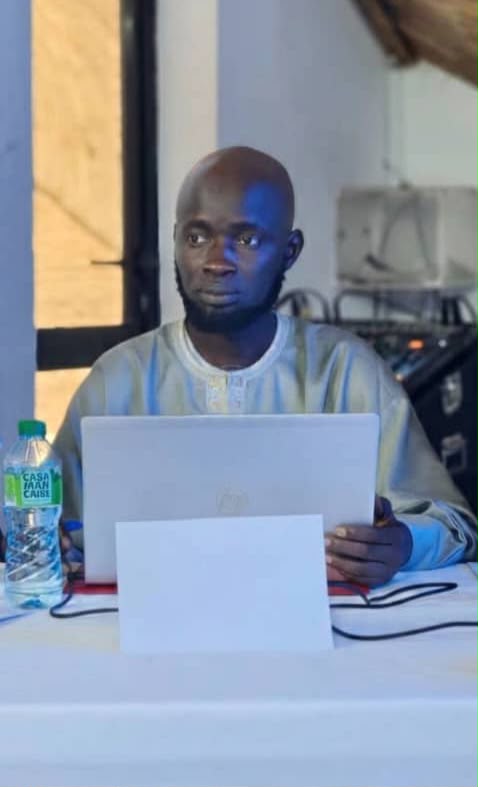
My initial commitment to PASTEF was never driven by aspirations for personal office, privileges, or accolades. Instead, I joined with a deep-seated conviction: to contribute to the emergence of a Senegal characterized by greater justice, transparency, and an unwavering respect for the rule of law.
I witnessed firsthand the arduous years of struggle, marked by clandestine gatherings, facing intimidation, and making profound sacrifices. I observed countless men and women forgo their personal comfort, and at times even their safety, all in service of an ideal that transcended individual ambitions.
When our collective vision finally ascended to power, I genuinely believed the most challenging phase was behind us. My expectation was that the moment had arrived to govern with profound humility, upholding republican institutions, and dedicating ourselves exclusively to the service of the Senegalese people.
Yet, gradually, the foundations of my convictions began to erode.
In my observation, internal discourse within the movement progressively narrowed. Dissent became viewed with suspicion. Critical thinking, a vital component for any truly democratic organization, appeared increasingly unwelcome. Many chose silence, while others quietly departed, some out of weariness, others from profound disappointment. It was then I realized that the primary threat no longer emanated solely from our political adversaries, but could also arise from our own internal dynamics and operational approach.
Subsequently, I discerned an increasingly distinct divergence between two philosophies of exercising power. One perspective upheld the President of the Republic’s role, defined strictly by constitutional responsibilities. The other, however, reflected a political leadership whose influence, to me, seemed to extend beyond the traditional boundaries of a mere party head, particularly concerning Ousmane Sonko’s role.
From my viewpoint, such a duality in governance could not persist without inevitably generating significant tensions within the African political landscape of Senegal.
The Senegalese populace did not elect a singular, messianic figure. Rather, they chose to uphold republican institutions. In a Republic, I contend that no individual, regardless of their popularity, should ever supersede the foundational principles and rules that govern the state and ensure good governance Africa.
While public discourse often fixates on individual personalities, the pressing daily concerns of Senegalese society remain unresolved: the escalating cost of living, youth unemployment, access to quality education, healthcare, agricultural development, fostering investment, and generating wealth. Public action, in my view, ought to be singularly focused on addressing these critical issues that impact society Africa.
My enduring commitment has never been an oath of allegiance to any single individual. Instead, it has consistently been a steadfast dedication to fundamental principles.
Leaders are transient.
The Republic, however, endures.
Its institutions persist.
Therefore, when loyalty to a specific personality begins to overshadow one’s fealty to the Republic itself, it becomes a profound moral imperative for every individual to engage in a rigorous self-examination.
I pen these reflections not out of resentment, but with a profound sense of gravity. My refusal stems from an unwillingness to abandon the core values that initially inspired my involvement and commitment.
I intend to continue serving Senegal with the same unwavering integrity: articulating what I believe to be just, resolutely defending its institutions, and consistently prioritizing the national interest above any partisan consideration.
History will ultimately render judgment upon individuals.
Yet, one’s conscience performs that critical assessment every single day.
I witnessed firsthand the arduous years of struggle, marked by clandestine gatherings, facing intimidation, and making profound sacrifices. I observed countless men and women forgo their personal comfort, and at times even their safety, all in service of an ideal that transcended individual ambitions.
When our collective vision finally ascended to power, I genuinely believed the most challenging phase was behind us. My expectation was that the moment had arrived to govern with profound humility, upholding republican institutions, and dedicating ourselves exclusively to the service of the Senegalese people.
Yet, gradually, the foundations of my convictions began to erode.
In my observation, internal discourse within the movement progressively narrowed. Dissent became viewed with suspicion. Critical thinking, a vital component for any truly democratic organization, appeared increasingly unwelcome. Many chose silence, while others quietly departed, some out of weariness, others from profound disappointment. It was then I realized that the primary threat no longer emanated solely from our political adversaries, but could also arise from our own internal dynamics and operational approach.
Subsequently, I discerned an increasingly distinct divergence between two philosophies of exercising power. One perspective upheld the President of the Republic’s role, defined strictly by constitutional responsibilities. The other, however, reflected a political leadership whose influence, to me, seemed to extend beyond the traditional boundaries of a mere party head, particularly concerning Ousmane Sonko’s role.
From my viewpoint, such a duality in governance could not persist without inevitably generating significant tensions within the African political landscape of Senegal.
The Senegalese populace did not elect a singular, messianic figure. Rather, they chose to uphold republican institutions. In a Republic, I contend that no individual, regardless of their popularity, should ever supersede the foundational principles and rules that govern the state and ensure good governance Africa.
While public discourse often fixates on individual personalities, the pressing daily concerns of Senegalese society remain unresolved: the escalating cost of living, youth unemployment, access to quality education, healthcare, agricultural development, fostering investment, and generating wealth. Public action, in my view, ought to be singularly focused on addressing these critical issues that impact society Africa.
My enduring commitment has never been an oath of allegiance to any single individual. Instead, it has consistently been a steadfast dedication to fundamental principles.
Leaders are transient.
The Republic, however, endures.
Its institutions persist.
Therefore, when loyalty to a specific personality begins to overshadow one’s fealty to the Republic itself, it becomes a profound moral imperative for every individual to engage in a rigorous self-examination.
I pen these reflections not out of resentment, but with a profound sense of gravity. My refusal stems from an unwillingness to abandon the core values that initially inspired my involvement and commitment.
I intend to continue serving Senegal with the same unwavering integrity: articulating what I believe to be just, resolutely defending its institutions, and consistently prioritizing the national interest above any partisan consideration.
History will ultimately render judgment upon individuals.
Yet, one’s conscience performs that critical assessment every single day.