Libreville, June 22, 2026 — With the 2026 Tourism Caravan just weeks away, Gabon’s government is rolling out a bold strategy to highlight its natural heritage. The northern province of Woleu-Ntem has been selected as the focal point for this initiative, sending a clear message about the pivotal role tourism must play in reshaping the nation’s economic landscape.
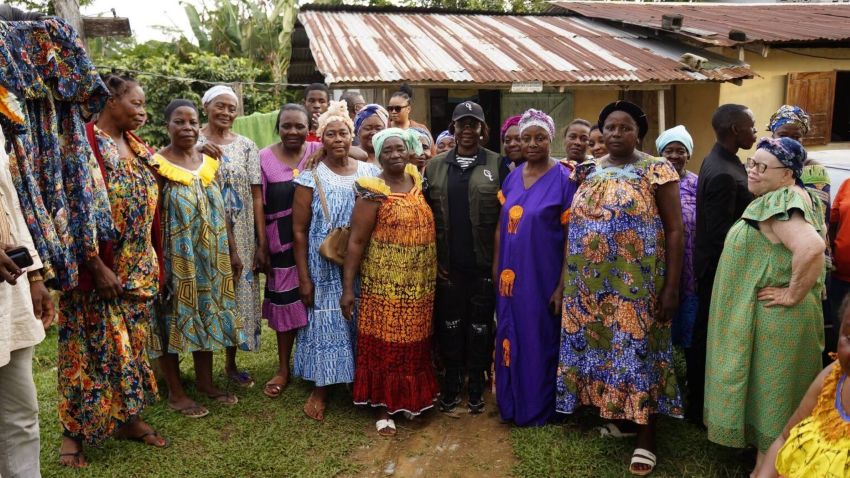
Between June 20 and 21, the Minister of Sustainable Tourism and Craftsmanship, Professor Marcelle Ibinga Itsitsa, embarked on a two-day tour of Woleu-Ntem. This province, rich in forests, cultural traditions, and artisanal craftsmanship, stands out as a key player in Gabon’s push to diversify its economy beyond oil and mining. The visit underscores a broader shift toward sustainable tourism as a driver of growth, job creation, and regional integration.
The making of a national showcase
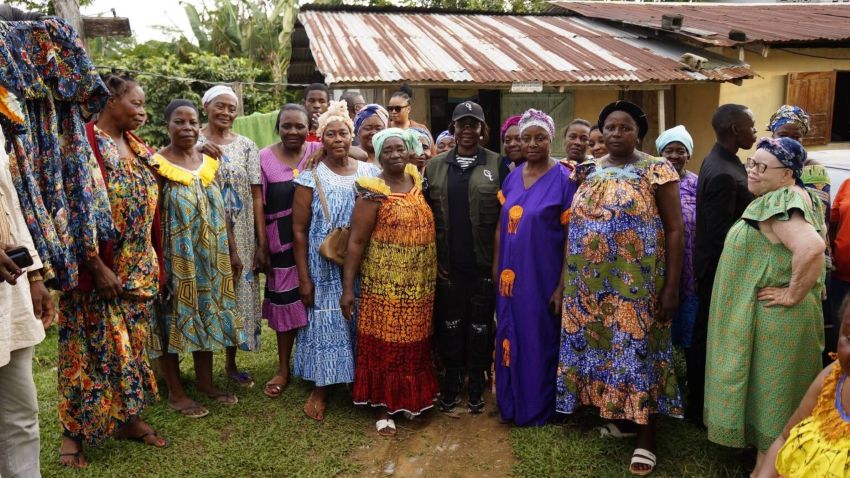
The 2026 Tourism Caravan is more than a promotional event—it’s a cornerstone of a long-term vision to position Gabon as Central Africa’s leading ecotourism destination. In Woleu-Ntem, the minister engaged with local leaders, business owners, tour guides, artisans, and young entrepreneurs to assess progress and unlock new opportunities for the sector.
Key discussions centered on strengthening artisanal supply chains, professionalizing tourism operators, enhancing visitor experiences, and empowering local communities. After all, sustainable tourism thrives when residents are active stewards of the natural and cultural treasures around them.
The delegation also evaluated potential event sites, scrutinizing accessibility, security, infrastructure quality, environmental preservation, and visitor appeal. Every detail was scrutinized to ensure the caravan aligns with the nation’s lofty ambitions.
Tourism as an engine of development
This mission reflects a fundamental shift in Gabon’s tourism policy. Once viewed as an afterthought, tourism is now central to the country’s economic diversification strategy.
Gabon boasts extraordinary assets: over 80% of its land is covered by tropical forests, it hosts 13 national parks renowned for their biodiversity, and it preserves a cultural heritage that remains largely undiscovered internationally. Woleu-Ntem encapsulates this potential, blending lush landscapes, ancestral traditions, local craftsmanship, and strategic regional connectivity.
Minister Ibinga’s approach focuses on converting these strengths into tangible economic benefits for local populations. Sustainable tourism is framed as a pathway to job creation, entrepreneurial growth, and increased community incomes.
A vision that crosses borders
One of the most striking aspects of the visit was its cross-border dimension. By visiting areas near Cameroon and Equatorial Guinea, the minister signaled Gabon’s commitment to regional cooperation in tourism.
This reflects a global trend: modern travelers seek transnational experiences, integrated circuits, and culturally rich itineraries that span multiple countries. Gabon aims to position the 2026 Tourism Caravan as a catalyst for such collaboration, fostering cultural exchange, boosting tourist flows, and establishing the country as a gateway to Central Africa.
Through this reconnaissance mission, the government is redefining tourism—not merely as a leisure industry, but as a diplomatic, economic, and territorial tool. Woleu-Ntem emerges as a testing ground for this new paradigm, where heritage preservation, regional integration, and wealth creation move forward in unison. The success of the 2026 Tourism Caravan could mark a turning point in building the ‘Green Gabon’ vision that national leaders aim to project on the African and global stage.