Whereabouts of Cameroon president paul biya raise concerns
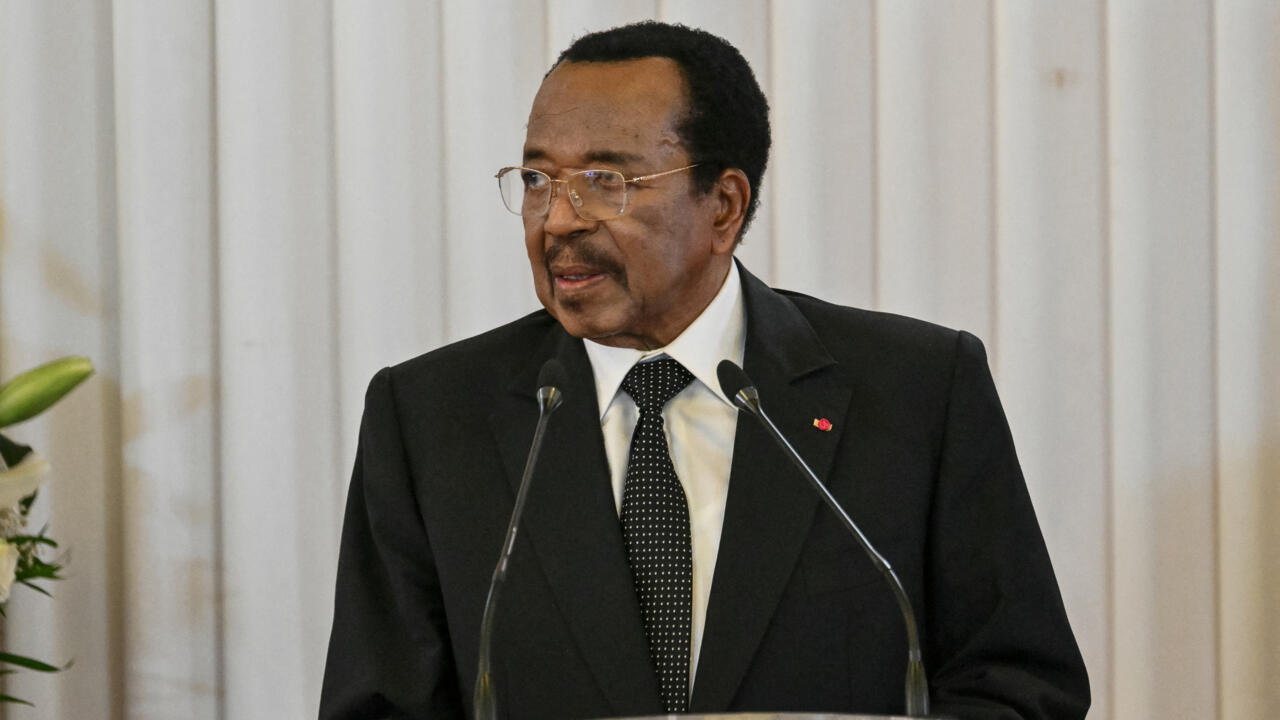
For over 50 days, Cameroon’s Head of State, President Paul Biya, has remained out of public view. His absence, which began on June 7 when Cameroon Tribune reported a brief private stay in Europe, has left citizens and political observers questioning his whereabouts and well-being. Now 93 years old, the prolonged silence from the government has fueled speculation about his current location and the possibility of a delayed return.
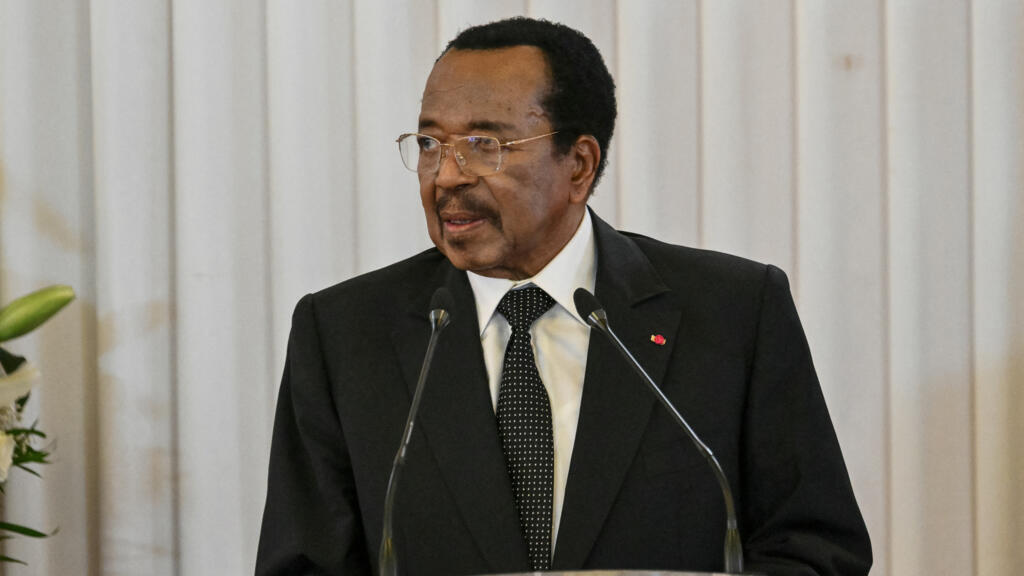
Opposition parties have seized on this silence to voice serious concerns. Terms like ‘power vacuum,’ ‘autopilot governance,’ and ‘remote-controlled administration’ are increasingly used to describe the current state of affairs. With no official updates on his condition or return date, the lack of transparency has intensified public anxiety.
What the Constitution Says About Prolonged Absence
In the absence of a clear framework, questions arise: What does Cameroon’s Constitution stipulate regarding extended presidential absences? Could this situation create obstacles in managing critical national issues? The legal provisions on presidential incapacitation are designed to ensure continuity of state functions, yet their application in this case remains unclear.
Opposition Voices Grow Louder
Political analysts warn that prolonged uncertainty could weaken public trust in institutions. Stéphane Akoa, a political analyst with the Paul Ango Ela Foundation, highlights the need for clarity. He points out that while the Constitution outlines procedures for temporary incapacity, the prolonged nature of this absence—coupled with the president’s advanced age—raises unprecedented concerns about governance and stability.
Implications for Governance and Stability
As rumors swirl and skepticism grows, the government’s silence only deepens the crisis of confidence. The lack of communication from official channels has left citizens and international observers alike speculating. With key national decisions hanging in the balance, the prolonged absence of Cameroon’s president is no longer just a political issue—it is a matter of national stability.