Constitutional court clears path for third term for Félix Tshisekedi in DRC
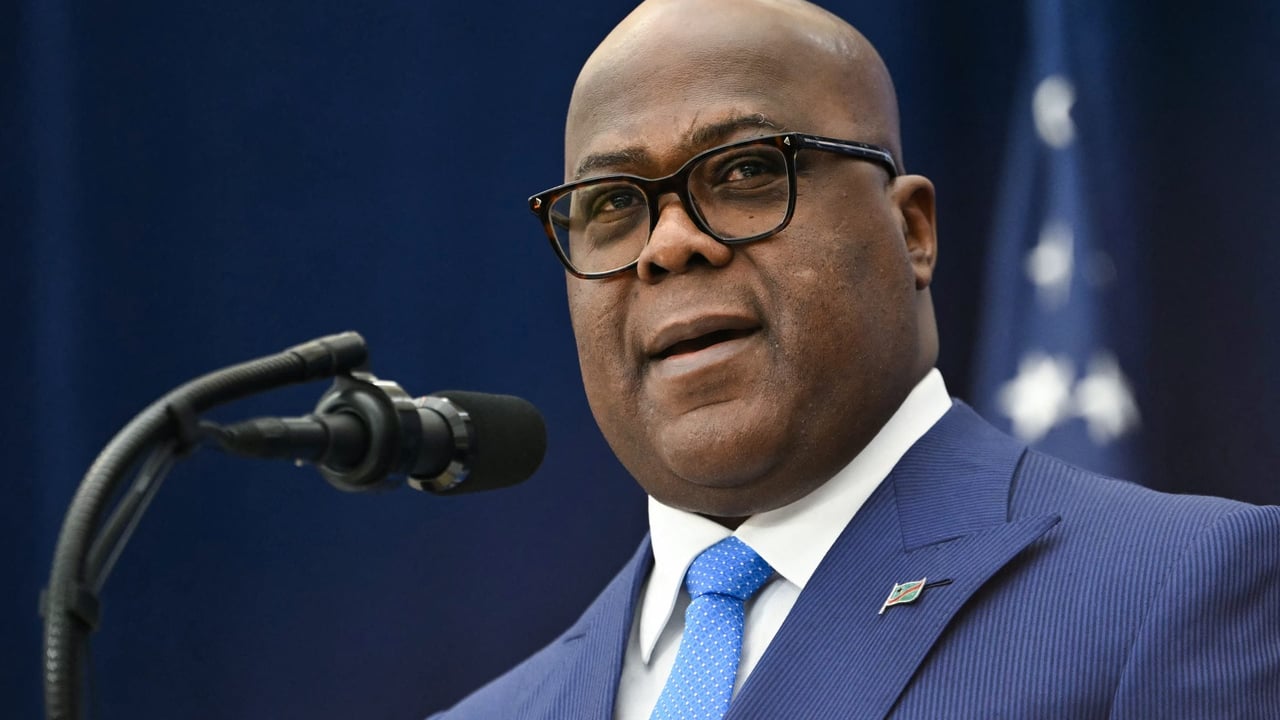
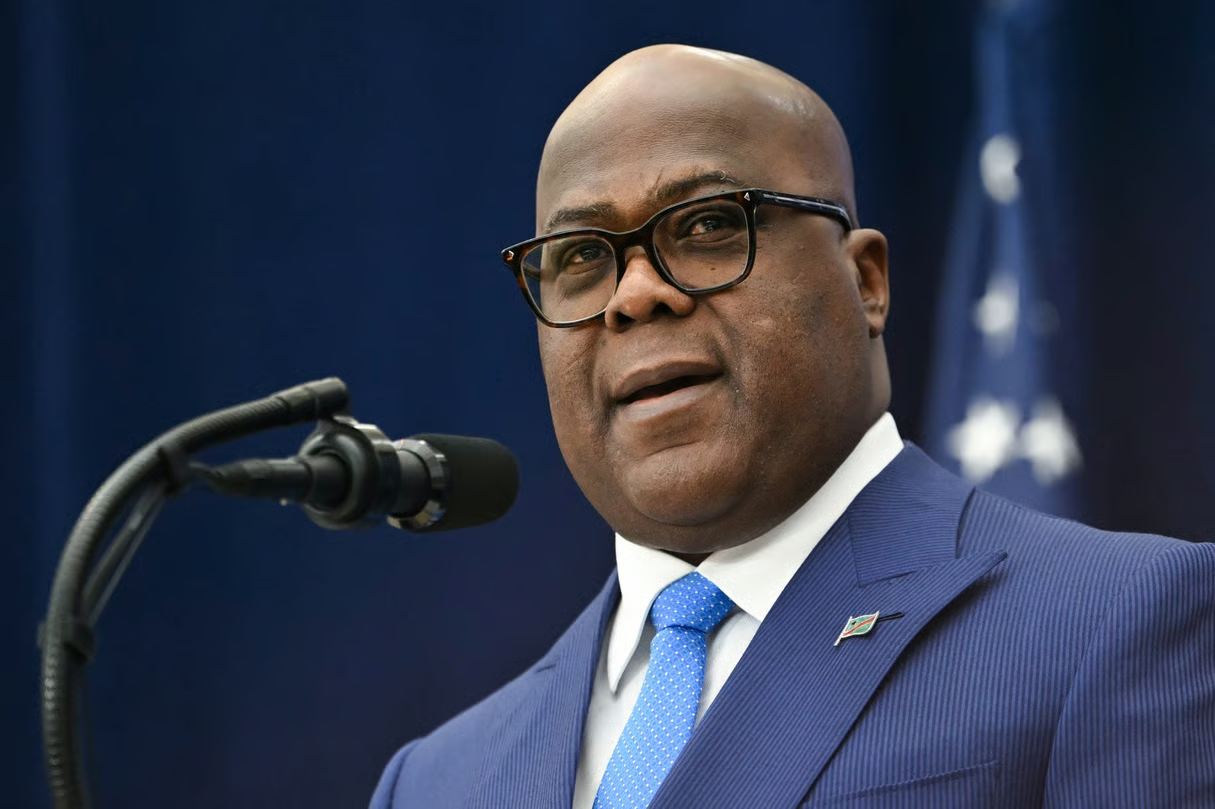
The Democratic Republic of the Congo’s Constitutional Court endorses Félix Tshisekedi’s third term bid
In a landmark decision, the Constitutional Court of the Democratic Republic of the Congo (DRC) has officially validated the legal framework that paves the way for President Félix Tshisekedi to seek re-election for a third consecutive term. This ruling, delivered after thorough judicial review, marks a pivotal moment in the country’s political landscape.
Legal green light for Félix Tshisekedi’s third term aspirations
The ruling, which came down on a pivotal day, clarifies constitutional ambiguities that had sparked intense debate across the nation. The judges concluded that the existing legal provisions do not impose a strict two-term limit on the presidency, thereby clearing the path for the incumbent leader to stand again in the upcoming elections.
Legal experts note that the decision hinges on a specific interpretation of the 2015 constitution, which, while capping presidential terms at two, includes a clause allowing for an exception under certain conditions. The Court determined that the circumstances surrounding the current leadership do not violate these provisions.
Public reaction and political implications
The Court’s verdict has ignited a wave of reactions from both supporters and critics of the President. While his allies hail the decision as a victory for stability and continuity, opposition figures have raised concerns over the potential erosion of democratic norms. Protests and public statements have begun to surface, reflecting the deep divisions within Congolese society.
Political analysts suggest that the ruling could significantly alter the dynamics of the upcoming electoral process. With the legal barriers removed, President Tshisekedi now faces the challenge of maintaining public trust while navigating a potentially contentious campaign season.
The decision also raises questions about the broader implications for governance in the DRC. As the nation prepares for what promises to be a closely watched election, all eyes will be on how political actors respond to this judicial endorsement.
Next steps: what lies ahead for the DRC
With the legal pathway now secured, the focus shifts to the practical steps leading up to the elections. The electoral commission faces the critical task of ensuring a transparent and inclusive process, while civil society groups are likely to intensify their oversight to safeguard democratic integrity.
For President Tshisekedi, the ruling presents both an opportunity and a challenge. While it removes a major obstacle to his candidacy, it also places greater responsibility on his administration to address the concerns of a populace deeply divided over the issue. The coming months will be decisive in shaping the future trajectory of the DRC.
Key takeaways
- Legal validation: The Constitutional Court has endorsed the legal framework enabling Félix Tshisekedi to run for a third term.
- Constitutional interpretation: The decision hinges on a nuanced reading of the 2015 constitution, particularly regarding term limits.
- Public divide: The ruling has sparked mixed reactions, with supporters praising stability and opponents warning of democratic backsliding.
- Election implications: The endorsement could reshape the electoral landscape, with heightened scrutiny on the process ahead.