How Ousmane Sonko is reshaping Senegal’s public policies into citizen-driven change
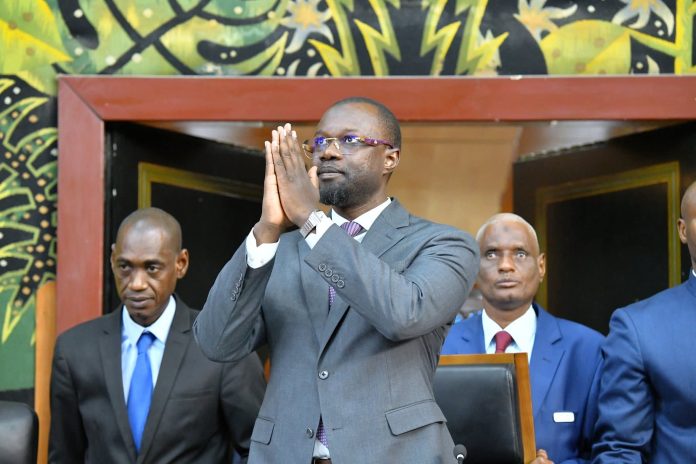
Senegal stands at a critical crossroads where public policies—once shrouded in bureaucratic complexity—are now being reimagined through the lens of citizen empowerment. At the heart of this transformation is Ousmane Sonko, whose approach to governance has turned abstract government decisions into tangible tools for community action and economic resilience. His work doesn’t just change policies; it changes how everyday citizens interact with and benefit from them.
Why Ousmane Sonko’s approach to public policy matters for every Senegalese
Public policies in Senegal—covering issues from tax reform to energy governance—are typically crafted in technical language and implemented through top-down structures. This disconnect between policymakers and citizens leads to frustration, low participation, and misaligned outcomes. Ousmane Sonko, through his books, public debates, and parliamentary leadership, has systematically dismantled this barrier by translating complex policies into clear, actionable insights that resonate with ordinary people.
His 2019 publication Solutions did more than critique existing systems—it provided a roadmap for reform. By simplifying technical terms like “state efficiency,” “endogenous economy,” and “natural resource governance,” he made the conversation accessible to students, entrepreneurs, and rural communities alike. This wasn’t academic theory; it was a call to collective ownership of Senegal’s future.
From expert jargon to everyday language: making policies make sense
Traditionally, the journey of a public policy begins as a technical document in government agencies and ends as a newspaper headline—or worse, remains unnoticed by the public. Sonko’s innovation lies in reversing this flow. He takes the opaque language of budgetary reports, energy contracts, and fiscal laws and reframes it into compelling narratives that citizens can relate to.
For example, when Sonko highlighted the Petro-Tim scandal—a controversial oil contract—his analysis didn’t just accuse officials; it educated the public on how such deals impact fuel prices, job creation, and national sovereignty. This educational approach mirrors what educators call “didactic transposition”: the process of transforming expert knowledge into understandable knowledge for non-experts. Sonko applies this in politics, turning governance into a shared learning experience.
How Sonko’s pedagogy is mobilizing Senegal’s next generation
Active learning isn’t just for classrooms—it’s the foundation of Sonko’s political movement. The Patriotic Youth of Senegal (JPS) isn’t a passive follower; it’s a network of young activists who debate policy, collect community feedback, and hold officials accountable. Whether discussing the 2026 revised finance law or monitoring public spending, these young leaders don’t just listen—they lead.
- They question spending priorities—not with vague criticism, but with data: “Why are fuel subsidies rising when 60% of rural youth lack electricity?”
- They challenge transparency—by tracking government contracts and publishing findings online.
- They propose alternatives—such as local renewable energy projects that create jobs while reducing imports.
This isn’t theoretical governance—it’s governance in action. Sonko’s role as Speaker of the National Assembly amplifies this dynamic. His speeches aren’t just declarations; they’re interactive lessons, where he invites questions, cites statistics, and connects policies to real people’s lives. This transparency has turned skepticism into solidarity. Citizens who once felt excluded now feel like stakeholders.
The ripple effect: stronger economy, stronger democracy
The economic consequences of this shift are already visible. When citizens understand policies, they make better financial decisions—saving more, investing in local businesses, and demanding fair trade. This grassroots economic literacy helps stabilize prices, reduce corruption, and attract responsible investment.
Politically, Sonko’s model strengthens democracy by fostering informed participation. In a country where voter apathy and elite dominance once defined politics, his approach has re-energized civic engagement. The Pastef party’s rise in parliament isn’t just about winning seats—it’s about bringing policy debates into homes, markets, and schools.
What this means for you: your role in Senegal’s future
You don’t need a degree in public administration to engage with these changes. Whether you’re a market trader in Dakar, a farmer in Kolda, or a student in Saint-Louis, Sonko’s message is clear: Your voice shapes policy. Your questions matter. Your participation defines progress.
Start small: read the simplified summaries of key policies he releases. Attend local town halls where JPS members explain new laws. Share verified information in your community. Join discussions on the revised finance law or energy bills. When citizens stop being spectators and start being participants, governance transforms from a distant process into a shared responsibility.
Senegal’s future isn’t being written in closed offices—it’s being co-authored in markets, mosques, and youth centers. And Ousmane Sonko is showing the way.