Togo’s surveillance scandal: deep dive into regime tactics and media scrutiny
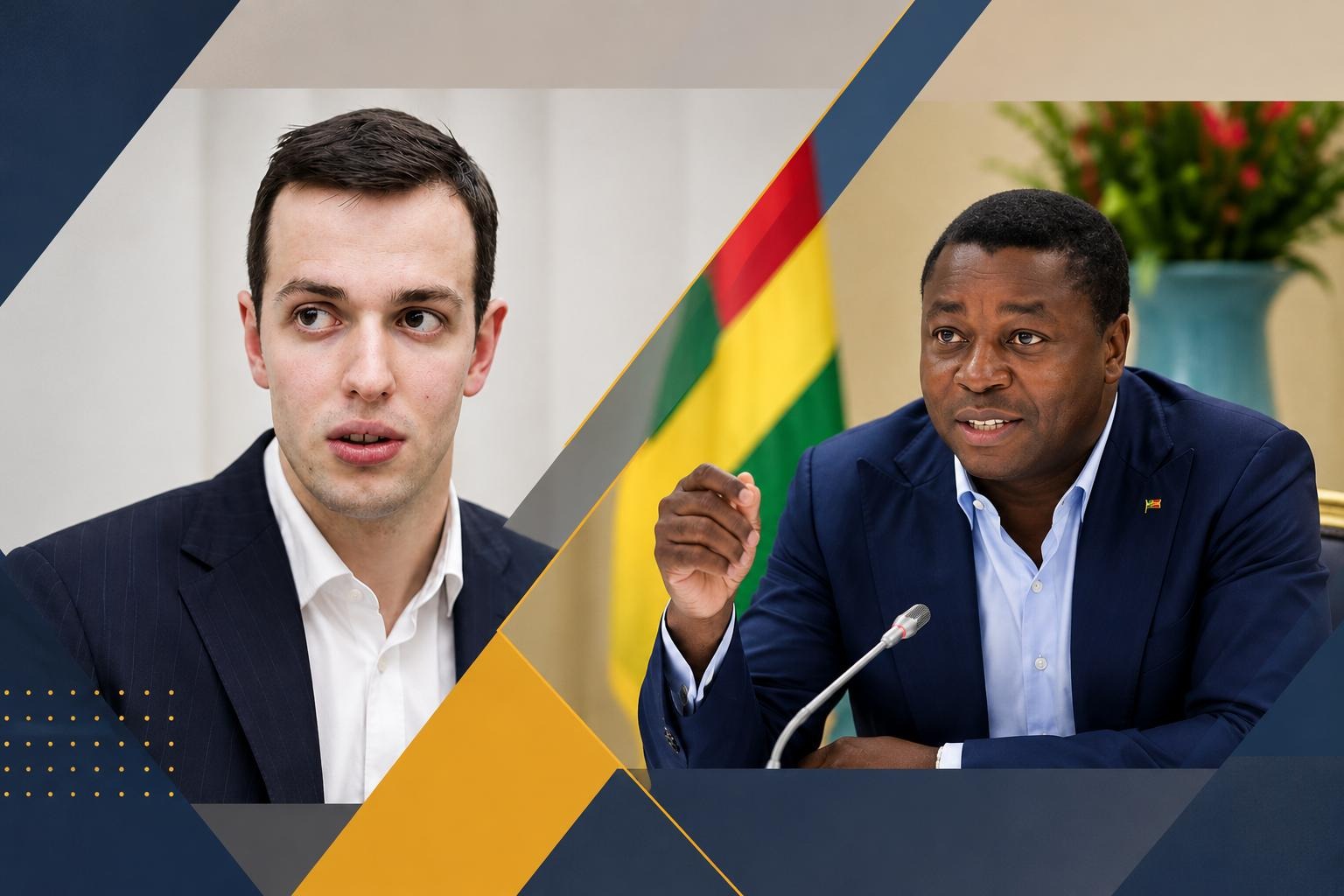
Togo’s widespread surveillance controversy has reached a critical juncture in the ongoing political and media expose. Recent revelations from journalist Thomas Dietrich point an accusing finger at a highly strategic alliance: Togolese President Faure Gnassingbé is reportedly collaborating closely with the Yatom family, whose patriarch, Dany Yatom, formerly led a powerful Israeli intelligence service, through their private espionage services firm. While these assertions lift the veil on the dangerous connections of the Lomé government, they also raise crucial questions about the journalistic methodology employed. This confrontation illuminates a dual failure: that of a dictatorship outsourcing its security to foreign entities, and that of immediacy-driven journalism that weakens its own scoops through excessive dramatization.
Faure Gnassingbé: privatizing repression with the Yatom family
The accusation leveled against the Togolese regime is no longer mere technological suspicion; it describes a concrete system of clandestine operations. By reportedly entrusting a portion of the nation’s security and surveillance apparatus to the Yatom family, Faure Gnassingbé has crossed a critical threshold. Engaging former high-ranking Israeli intelligence officials to control Togo’s public sphere demonstrates a level of state paranoia pushed to its extreme.
This collaboration with foreign private espionage structures serves no national defense imperative. Instead, it aligns with the classic pattern of desperate dynastic regimes, willing to go to any lengths to track opponents, monitor civil society, and perpetuate power that has endured for nearly six decades. Following the global Pegasus software scandal, this alleged collusion with the Yatom clan suggests that Lomé has institutionalized the espionage of its own citizens. By placing Togo’s security destiny in the hands of external private interests, the government disregards national sovereignty solely to ensure its political survival, a concerning trend in African politics.
Thomas Dietrich: the risk of ‘scoop-spectacle’ and digital ‘noise’
However, the graver the scandal, the more unimpeachable the investigation must be. It is here that Thomas Dietrich’s approach invites criticism. In presenting such weighty names from the Israeli security establishment, the journalist too often opts for the codes of ‘clash’ and social media buzz rather than the rigorous formalism of extensive investigative reporting.
Launching accusations of this magnitude on digital platforms without simultaneously publishing a dossier of material evidence—such as contracts, financial flows, official organizational charts, or leaked documents—weakens the impact of the revelation. Known for his lone crusader methods and the constant staging of his own confrontations with governance Africa‘s dictatorial regimes, Dietrich consistently flirts with ‘ego journalism’. The immediate danger of this method is clear: by prioritizing sensationalism and the privatization of the struggle, the journalist provides the Lomé regime with the perfect opportunity to dismiss the matter as a Western media conspiracy and manipulation. In doing so, he undermines the cause of Togolese journalists and activists who, on the ground, risk their lives to document these same abuses with quiet rigor, a testament to the challenges facing independent African journalism.
Two actors in a sterile mirror
Ultimately, the Lomé palace and the expatriate reporter feed off each other. Faure Gnassingbé uses frontal attacks from foreign journalists to wave the red flag of foreign destabilization and justify his security services’ crackdown. For his part, Thomas Dietrich finds in the figure of the ultra-connected dictator the perfect antagonist to boost his audience and shape his persona as a white knight of information.
While this duel unfolds under the social media spotlight, one victim remains in the shadows: the Togolese people. Monitored by foreign technologies and deprived of healthy democratic debates, citizens endure the harsh reality of a police state. The struggle for transparency and freedoms in Togo cannot be satisfied by either the secret liaisons of a paranoid power or the virtual circus of emotional journalism. It demands cold facts, irrefutable evidence, and a dignity that both protagonists sometimes appear to overlook, impacting society Africa at its core.