Togo’s financial and social decline under Faure Gnassingbé’s rule
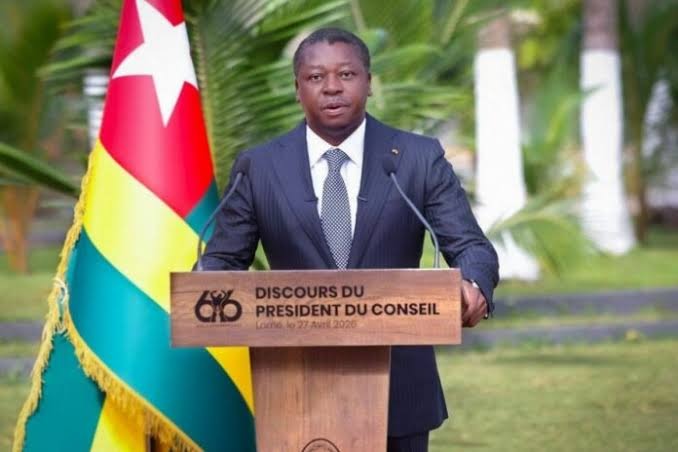
The recent transition to a fifth Republic in Lomé, though hailed by officials as a milestone, has done little to alleviate the deepening economic and social crisis gripping Togo. Despite the fanfare surrounding institutional reforms and infrastructure upgrades, the harsh reality on the ground tells a different story—one marked by financial instability and widespread hardship.
For decades, the country has relied heavily on financial infusions from regional development banks and international donors to fuel its economic ambitions. Yet, the promised returns on these massive investments have failed to materialize, leaving the local economy in a state of stagnation. While the port of Lomé is often showcased as a symbol of progress, the tangible benefits for ordinary citizens—such as job creation or debt reduction—remain elusive.
Where did the billions go?
Over the past twenty years, hundreds of billions of West African francs have poured into repeated modernization projects. However, the economic dividends have been negligible. Public funds continue to be swallowed by a mounting debt burden, leaving little room for productive investments that could stimulate growth.
- Debt servicing at a tipping point: A disproportionate share of national revenue is diverted to debt repayment, stifling any meaningful economic expansion.
- Overhyped projects: Despite a flurry of infrastructure announcements, concrete job creation and industrialization have yet to materialize, leaving many Togolese disillusioned.
An economist familiar with the region’s financial landscape notes, “Donors pour money into Lomé primarily for geopolitical and security reasons, but when it comes to financial discipline and the efficient use of public funds, the results fall far short of expectations.”
The widening gap between rhetoric and reality
The gap between official narratives and the lived experiences of Togolese citizens has never been wider. Inflationary pressures, rising living costs, and a shrinking informal sector have eroded purchasing power across the country. From the bustling markets of Lomé to remote villages in the Savanes region, access to essential goods, healthcare, and electricity is increasingly out of reach for many.
The shift to a parliamentary system and institutional restructuring have done little to address these challenges. Instead, they appear to serve as a mechanism for consolidating power within the ruling elite, with little accountability for past mismanagement.
No light at the end of the tunnel
As financial resources continue to vanish into bureaucratic black holes, the social fabric of Togo is fraying. The promise of progress rings hollow for those struggling to put food on the table or afford basic services. Without urgent reforms, the country risks sinking deeper into economic despair and social unrest.