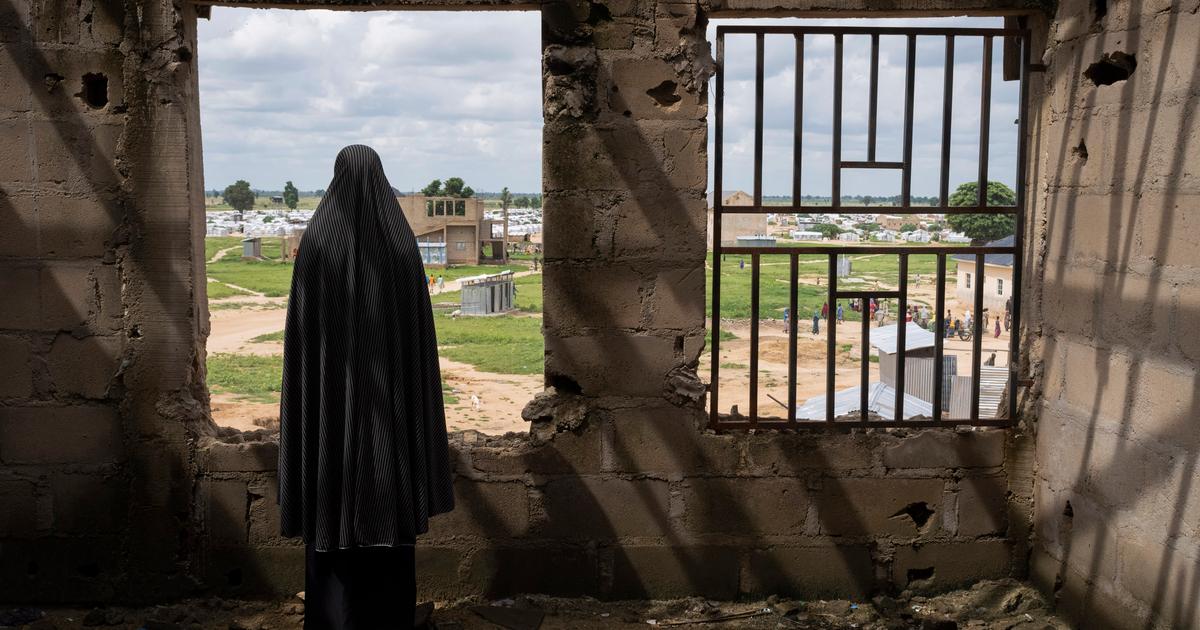

Meet Aisha, Juliana, and Hauwa—three women whose names rarely appear in headlines despite surviving unimaginable ordeals. Their stories, uncovered in a long-form investigative piece by The Republic, a leading Nigerian news platform, reveal the hidden human cost of Boko Haram’s reign of terror in Nigeria’s northeastern states.
For Aisha, April 2014 began like any other evening. She was preparing a stew—her children’s favorite—when armed insurgents stormed her village, Gamboru Ngala, in Borno State. With no time to escape, she witnessed the brutal killing of her brother before being forcibly taken captive. Held in a makeshift camp with other women, she was later forced into a tent where a Boko Haram commander claimed her as his wife. “Every night, they would drag me from the room to rape me,” she recounted.
breaking free from captivity
After two years of enduring repeated sexual violence, forced marriages, and three pregnancies, Aisha managed to escape during a Nigerian military offensive. Her ordeal left deep scars—both physical and psychological—but she considers herself fortunate compared to those still trapped in the group’s clutches.
Juliana was just 15 when Boko Haram militants abducted her and her mother from Adamawa State. Two years into her captivity, she fled with the help of an elderly woman who secretly aided escapees. Before her abduction, Juliana had dreamed of completing her education and becoming a computer engineer. “I still wake up in cold sweats, haunted by the women we left behind,” she admitted.
The most harrowing journey belongs to Hauwa, who endured a decade of abuse after being kidnapped. Forced into three marriages, she gave birth to four children while in captivity. Returning home, she faced a new kind of torment: stigma. Her community labeled her a “Boko Haram wife,” and her children were shunned, denied basic freedoms like attending school.
The The Republic report also examines the critical role of transitional justice in addressing the sexual violence and gender-based crimes committed during the conflict. It highlights how programs supporting former captives—many of whom are ostracized upon return—can help rebuild their lives while breaking cycles of impunity.