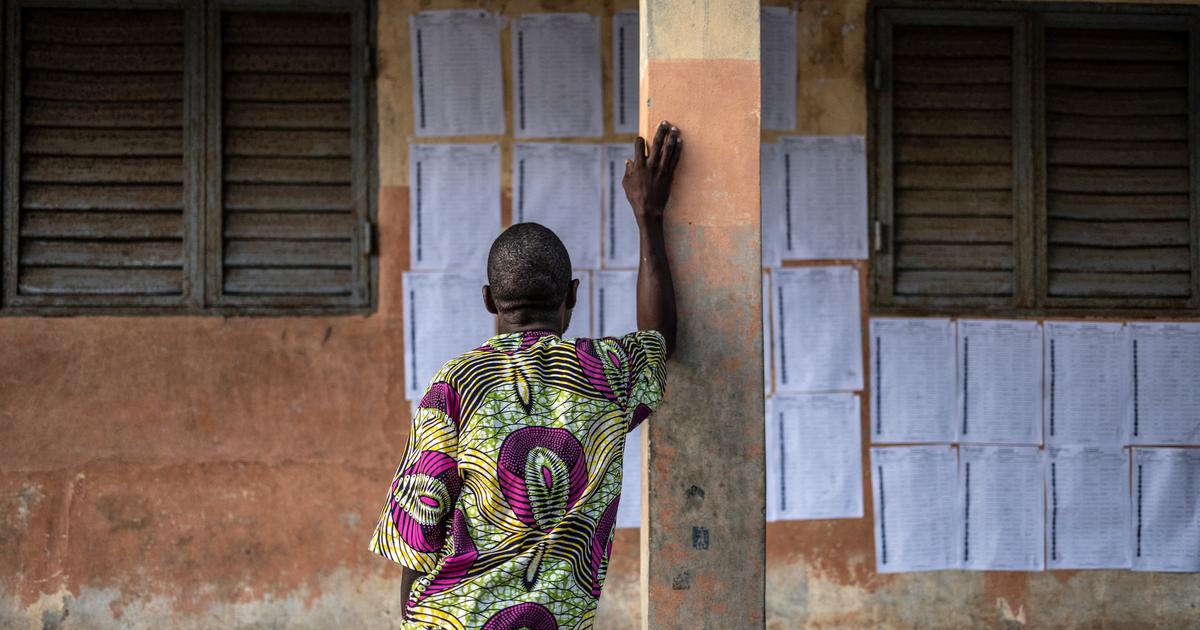

Election outcomes often seem predetermined in Africa, with opposition figures routinely barred before campaigns even begin. The pattern continued in 2025’s presidential contests, most notably in Djibouti on April 10 and Bénin on April 12. In Djibouti, incumbent Ismaïl Omar Guelleh secured a sixth term with 97.8% of the vote, while in Bénin, Romuald Wadagani—handpicked successor to Patrice Talon—claimed 94% of ballots cast. Both victories showcased overwhelming margins in elections lacking genuine competition.
In Djibouti, opposition leader Alexis Mohamed withdrew his candidacy, citing insurmountable hurdles. While security concerns played a role, financial barriers proved decisive. The prohibitive nomination fees—described by observers as an “insurmountable obstacle”—effectively neutralized viable opposition challenges. The result, many argued, rendered the vote a “purely ceremonial exercise.”
The price of democracy: who can afford to run?
Campaign finance emerges as a critical factor shaping African elections. Candidates face exorbitant costs that extend beyond traditional campaign expenses to include inflated registration fees and administrative charges. These financial demands disproportionately impact opposition contenders, who often lack access to state resources enjoyed by ruling parties. The phenomenon isn’t isolated to Djibouti—similar patterns have surfaced in multiple African nations during recent electoral cycles.
Bénin’s experience: when fees silence dissent
The Bénin presidential race demonstrated how steep candidate fees can derail opposition bids. Analysts noted that the financial threshold exceeded the means of most challengers, effectively excluding credible alternatives from the ballot. With the ruling party’s candidate running virtually unopposed, the election’s outcome mirrored those in neighboring countries where similar financial barriers have taken root.
The implications extend beyond individual elections. When opposition figures cannot meet financial requirements, the democratic process faces erosion. Voter choice narrows, competition diminishes, and public trust in electoral systems weakens. These dynamics raise fundamental questions about governance in Africa, where access to power appears increasingly tied to financial capacity rather than popular support.