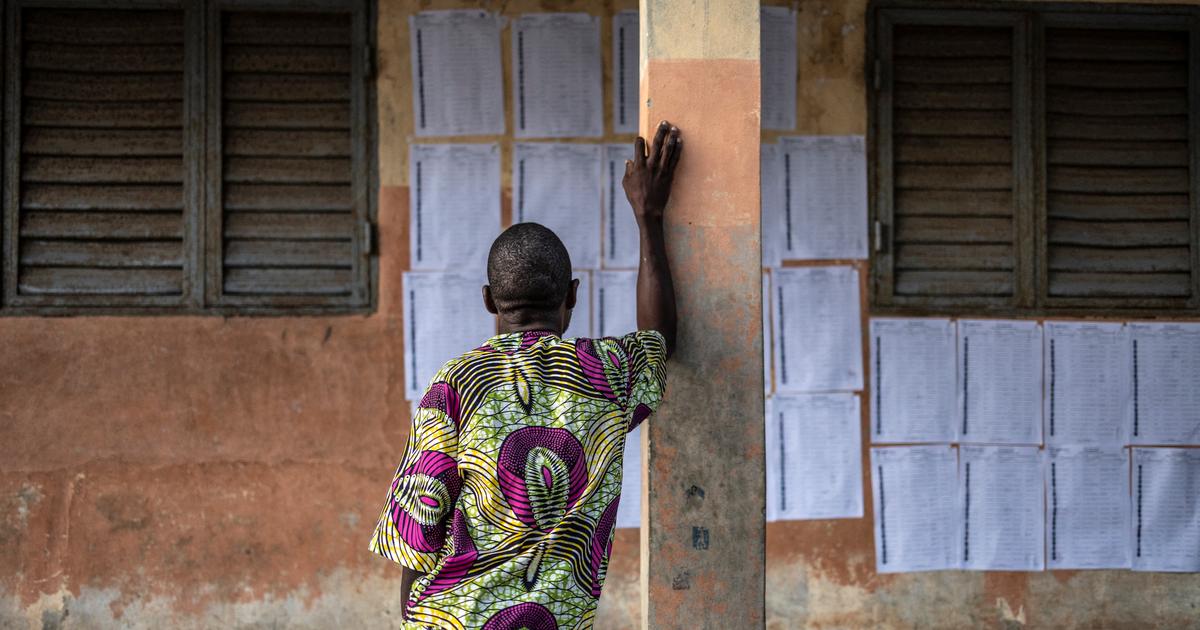
Elections with predetermined outcomes, lackluster campaigns, and landslide victories for incumbents marked the presidential contests across Africa in 2025. The trend continued with recent polls in Djibouti on April 10 and Benin on April 12, where candidates from the ruling parties secured overwhelming majorities—97.8% and 94% respectively. The numbers tell a story of elections where genuine competition barely existed.
In Djibouti, opposition figure Alexis Mohamed abandoned his candidacy, citing insurmountable barriers. While concerns about personal safety played a role, the most significant hurdle proved to be the exorbitant nomination fees. Analysts argue these costs effectively neutralized any meaningful opposition, reducing the process to a formality.
The price of democracy
The issue of staggering election expenses is not isolated to Djibouti. Across the continent, aspiring leaders face financial obstacles that often create an uneven playing field. High fees for candidacy and campaigning have become a systemic barrier, disproportionately affecting grassroots candidates and opposition figures.
Beyond Djibouti, the phenomenon has been observed in other African nations where elections have been criticized for lacking real competitiveness. Financial requirements, coupled with administrative hurdles, have created a system where only those with substantial resources—or ruling party backing—can realistically compete. This has raised serious concerns about the integrity of electoral processes and the true representativeness of leadership.
The consequences extend beyond individual candidacies. When opposition voices are systematically excluded, public trust in institutions erodes. Citizens are left questioning whether elections serve the public interest or merely reinforce the power of entrenched elites.