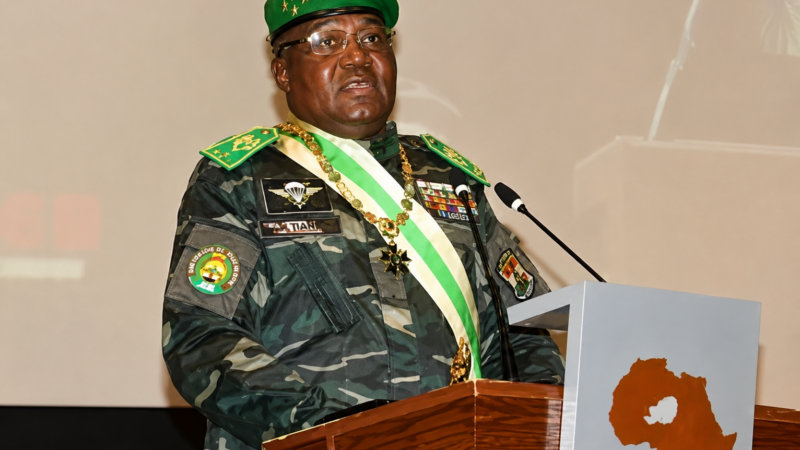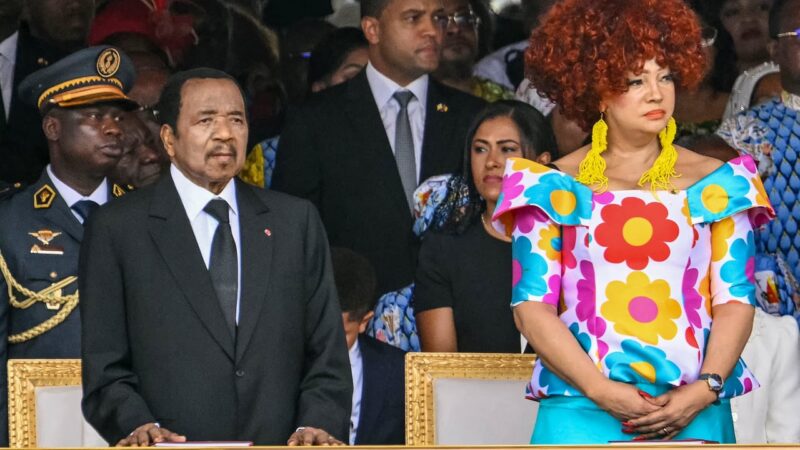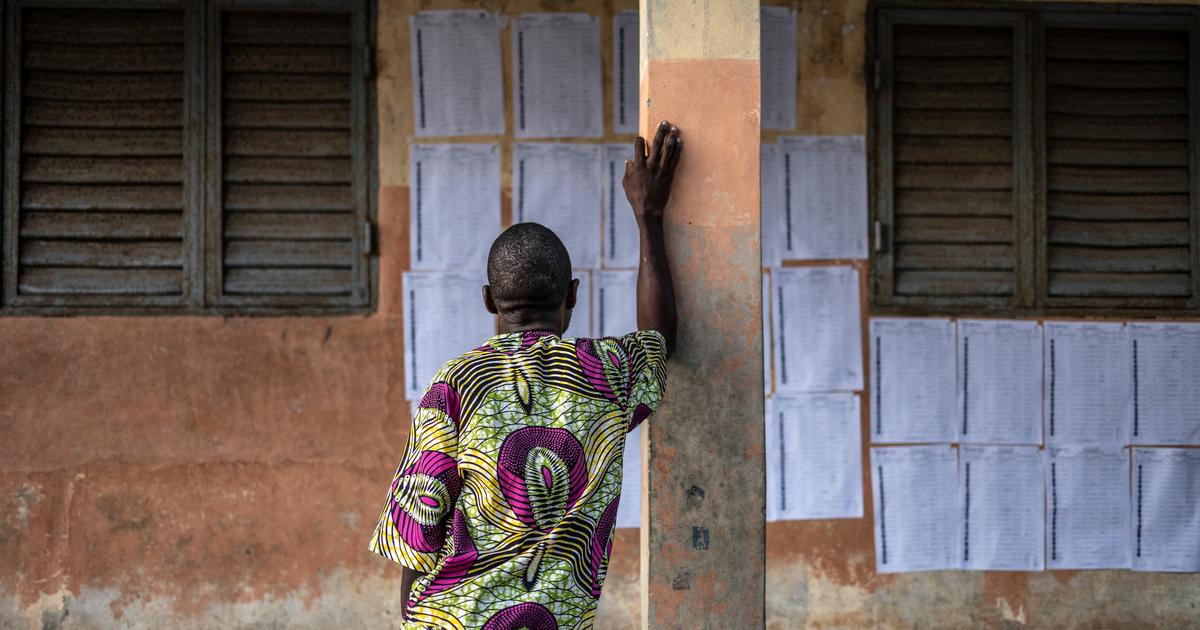
“Rigged contests”, “lack of suspense”, “first-round victories for incumbents”. The presidential elections held across Africa in 2025 revealed a troubling pattern: opposition candidates were systematically sidelined even before campaigning began. Recent examples include votes in Djibouti on April 10 and Benin on April 12. In Djibouti, incumbent President Ismaïl Omar Guelleh secured a sixth term with 97.8% of the vote, while in Benin, Romuald Wadagni—handpicked successor to Patrice Talon—won with 94% support. Both outcomes reflected overwhelming dominance in elections where genuine competition barely existed.
In Djibouti, opposition leader Alexis Mohamed abandoned his candidacy after citing insurmountable financial barriers. While he cited safety concerns, the primary obstacle was the exorbitant nomination fees, which many analysts argue rendered the vote a “purely symbolic exercise.”
The price of democracy: when money trumps votes
This trend is not isolated. Across the continent, candidates face prohibitive campaign costs that effectively shut out opposition voices. High nomination fees, restrictive regulations, and opaque funding rules create a financial gauntlet few challengers can navigate. The result? Elections where outcomes are predetermined long before ballots are cast, stripping citizens of meaningful choice.