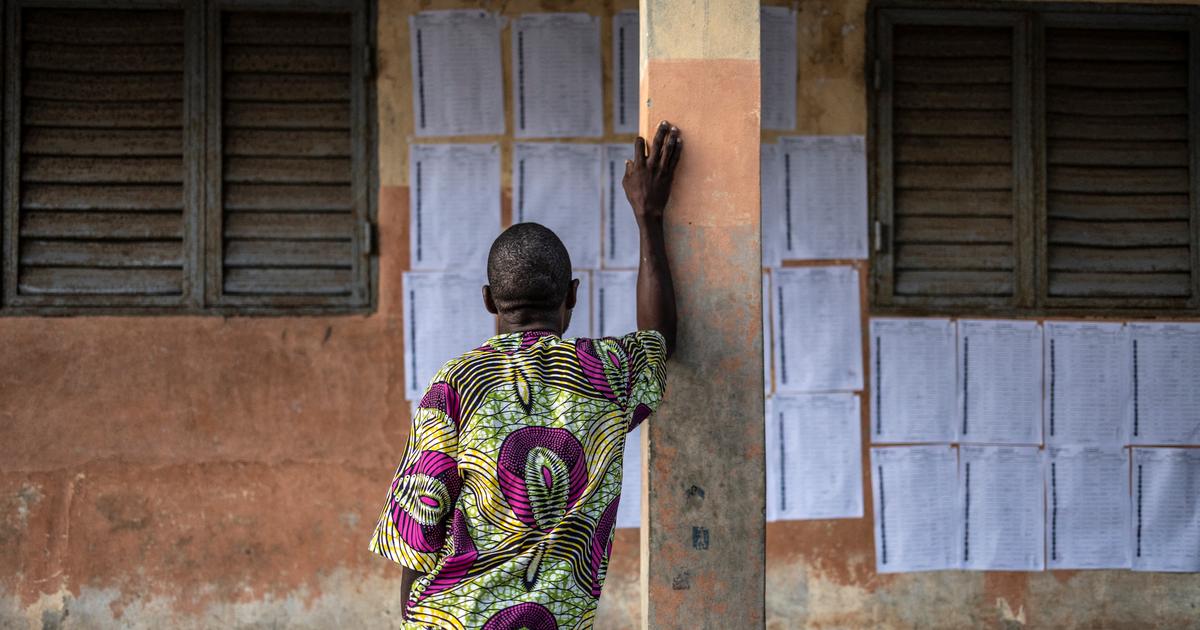
“Rigged elections”, “predictable outcomes”, “incumbent presidents sweeping first-round victories”. The presidential polls held across Africa in 2025 followed a disturbing pattern: opposition candidates were systematically sidelined even before campaigning began. The most recent examples occurred in Djibouti on April 10 and Bénin on April 12, where incumbents secured landslide wins—97.8% and 94% of the vote respectively. These staggering figures reflected elections devoid of genuine competition.
In Djibouti, opposition leader Alexis Mohamed withdrew his candidacy, citing insurmountable obstacles. While concerns over personal safety played a role, the prohibitive nomination fees emerged as the decisive barrier. Observers described the process as a “charade of democracy”, where financial barriers ensured predetermined results.
When wealth trumps votes
High campaign costs have become a continent-wide phenomenon, routinely disqualifying opposition figures before they can even mount a challenge. The pattern reveals a troubling truth: in many African nations, electoral success now depends less on popular support than on financial capacity. Candidates face exorbitant registration fees, media access charges, and logistical expenses that collectively create an uneven playing field.