Strengthening community health through science: insights from Dr. Bintou Dembélé in Mali
To mark World Health Day 2026, centered on the theme “Unite for Health. Support Science,” the World Health Organization (WHO) is spotlighting dedicated professionals who leverage scientific innovation to enhance well-being across the African region.
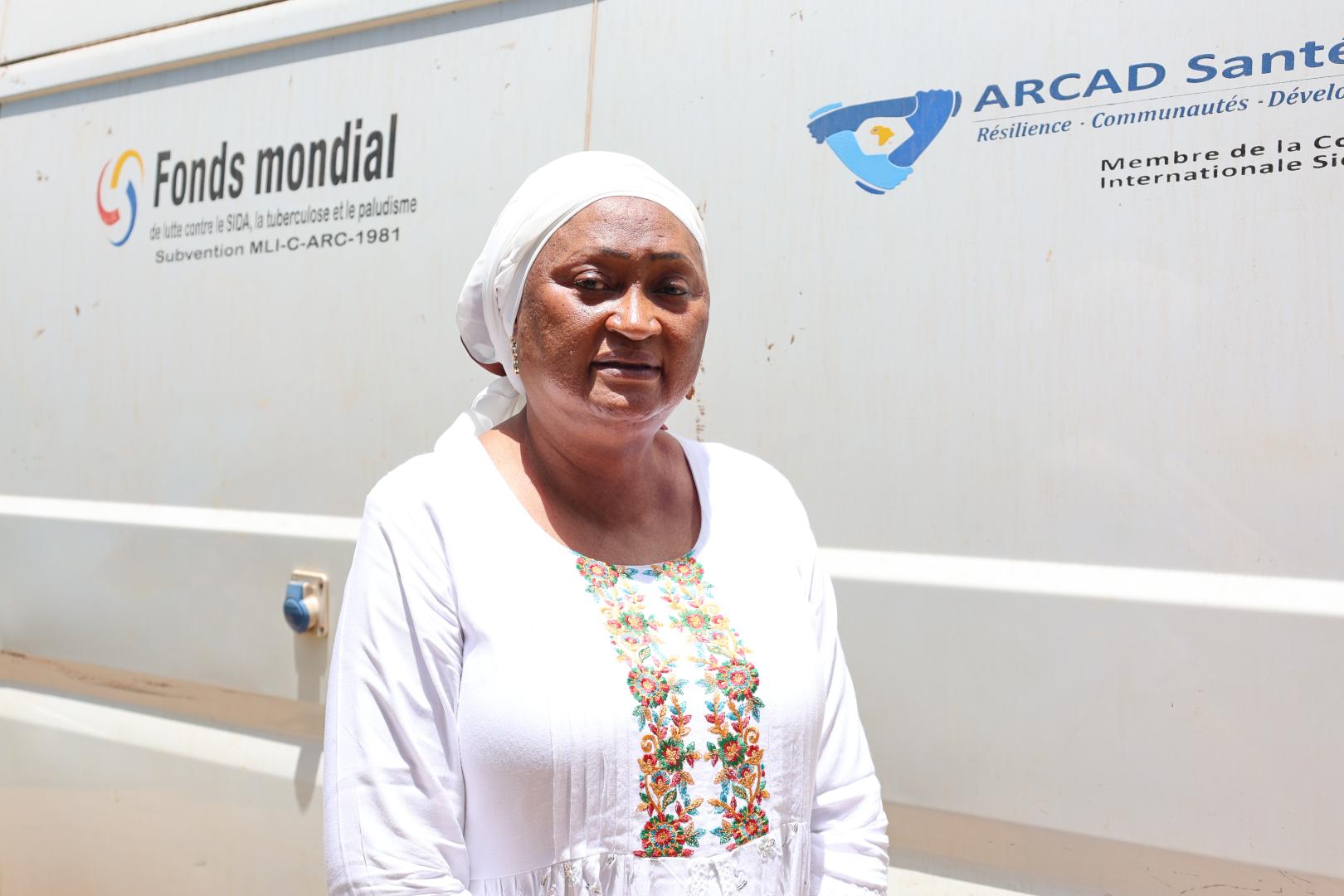
Dr. Bintou Dembélé, a prominent physician and public health specialist, has committed her career to combating infectious diseases and improving healthcare systems in Mali and throughout West Africa. Firmly believing that science must serve the people, she campaigns for the strategic use of research to prevent health emergencies, refine medical care, and build a bridge of trust between the scientific community and the public. For this global health observance, she discusses her vision for science that is transparent, inclusive, and impactful in everyday life.
Why is it vital to champion science to safeguard public health today?
In our current era, science is an absolute necessity. It serves as the foundation for creating innovative medications, vaccines, and therapeutic strategies to manage both historical and emerging health threats.
Beyond treatment, science is a pillar of prevention. By deepening our understanding of how diseases originate and circulate, we can mitigate risks long before they escalate into full-scale crises.
Furthermore, scientific progress refines diagnostic tools and medical technology, while optimizing healthcare delivery. This strengthens the entire health ecosystem, significantly boosting recovery rates and patient outcomes.
How can scientific partnerships bolster health outcomes in Mali and West Africa?
Collaborative research allows for the vital exchange of expertise, data, and resources. In West Africa, where many nations face parallel health obstacles, collective action is a powerful advantage.
These alliances are crucial for addressing endemic and chronic conditions. They also play a major role in maternal and child health, specifically by engineering strategies to lower neonatal and maternal mortality rates.
The impact of this cooperation extends to socio-economic growth. A healthy population is inherently more resilient and better equipped to drive the social and economic progress of their nation.
The “One Health” strategy is a major focus this year. How does this help prevent health emergencies?
The One Health philosophy is built on the fundamental truth that human health is inextricably linked to the health of animals and our shared environment. Recognizing these interconnections allows communities to better forecast and avoid potential hazards.
This approach fosters community-led surveillance and encourages an ongoing dialogue between experts and local residents. It respects traditional knowledge while promoting participatory research, empowering people to take an active role in their own health security.
What is the best way to turn scientific data into immediate field action?
Scientific evidence should be viewed as a public good. To be effective, data must be analyzed and disseminated rapidly through systems that convert research findings into actionable policy decisions.
By swiftly weaving scientific evidence into government policies, we can better direct health initiatives, maximize the use of limited resources, and address the urgent needs of the population more precisely.
How can we inspire the public to support and trust scientific work?
Confidence is built on clarity. To gain public support, scientific communication must be accessible, transparent, and tailored to local cultural contexts.
By sharing information openly through familiar community channels, we encourage social mobilization and mutual understanding. When science is perceived as a shared asset designed for the benefit of all, it creates a powerful movement of collective support.