Sonko highlights deep flaws in African football after World Cup exits
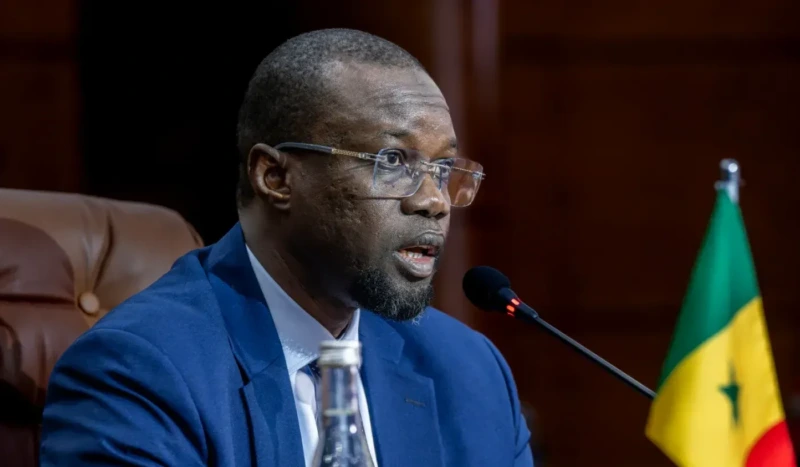
In the wake of Africa’s early exits from the 2026 World Cup, Ousmane Sonko, President of the National Assembly, has delivered a sharp critique of the continent’s football structures. Despite more African teams qualifying than ever, persistent administrative and tactical shortcomings have cost the continent dearly in the tournament.
During an exclusive interview, Ousmane Sonko, leader of Pastef/Les Patriotes and prominent political figure, shared his unfiltered assessment of Africa’s World Cup campaign. While acknowledging the expanded participation as a natural outcome of FIFA’s tournament enlargement, he emphasized that this growth did not translate into competitive success on the pitch.
The Senegalese leader refrained from dwelling on the expanded format itself, instead focusing on the real issues plaguing African football. He pointed to systemic weaknesses in management, squad discipline, and strategic planning as the root causes of the continent’s disappointing performances—even among teams with strong rosters like the Senegal national side.
Critical lessons from the tournament
The most glaring takeaway, according to Sonko, is the urgent need for structural reform within African football federations. He argued that administrative inefficiencies and lack of accountability have repeatedly undermined the continent’s potential, leaving talented squads struggling against better-organized opponents.
« The World Cup has once again exposed our structural vulnerabilities, » Sonko stated, calling for immediate action to overhaul how football is governed and developed across Africa. His remarks come as several African teams exited earlier than expected, despite fielding players of global caliber.
While Sonko stopped short of dismissing the quality of advancing nations outright, he stressed that their success did not always reflect superior footballing ability. « Some teams that moved forward were not necessarily stronger than those we lost, » he observed, highlighting the role of preparation, cohesion, and leadership in determining outcomes.
He also extended congratulations to the victorious teams, acknowledging their achievements while urging African football to learn from both its setbacks and the tournament’s broader lessons.