Senegal’s markets face crisis as sonko unveils bold revitalization plan
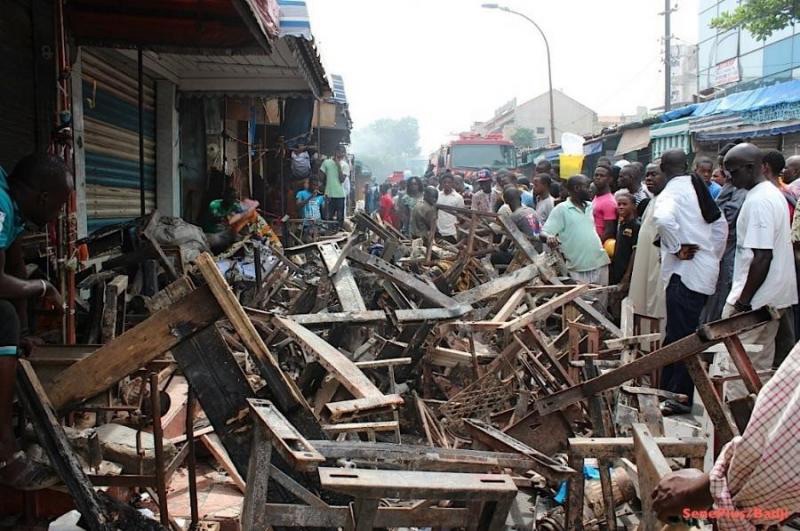
During a cabinet meeting on 20 may 2026, Senegalese Prime Minister Ousmane Sonko delivered a stark assessment of the country’s market infrastructure, highlighting systemic challenges that have long plagued the sector. Many of these commercial hubs, dating back to the 1970s, now pose serious safety risks due to their deteriorating condition.
Shocking figures revealed by the Prime Minister paint a troubling picture: 53 markets across Senegal have experienced fire incidents between 2013 and 2024, underscoring the urgent need for comprehensive reforms. The diagnostic analysis uncovered multifaceted issues spanning governance, technical capacity, infrastructure, organization, environmental impact, and public health.
a multi-billion franc plan to transform Senegal’s markets
Ousmane Sonko outlined a sweeping modernization initiative under the Market Modernization and Management Program (PROMOGEM), designed to overhaul the nation’s commercial landscape. The strategic blueprint, covering 2025 to 2029, prioritizes the refurbishment of all 528 existing markets and the construction of 67 new, state-of-the-art facilities.
Central to the plan is a 57.5 billion FCFA investment over four years, aimed at enhancing operational efficiency, financial autonomy, and innovative funding mechanisms. A key proposal includes transforming the market management structure into an independent entity with full administrative and financial authority, alongside revisions to existing legal frameworks to streamline processes.
key reforms and strategic partnerships
The Prime Minister called for the Minister of Industry and Trade, in collaboration with the Ministers of Finance and Budget and Urban Planning, to spearhead the modernization drive. This initiative will ensure the development of a nationwide network of modern markets while enforcing rigorous management standards, with oversight from local authorities and private sector stakeholders.
Government officials are tasked with designing a roadmap to phase out outdated facilities, replacing them with secure, efficient, and sustainable alternatives. The reforms also aim to bolster transparency, improve service delivery, and create an enabling environment for economic growth in Senegal’s trading communities.