Malian army secures vital sheep supply for tabaski in Bamako
malian army secures vital sheep supply for tabaski in Bamako
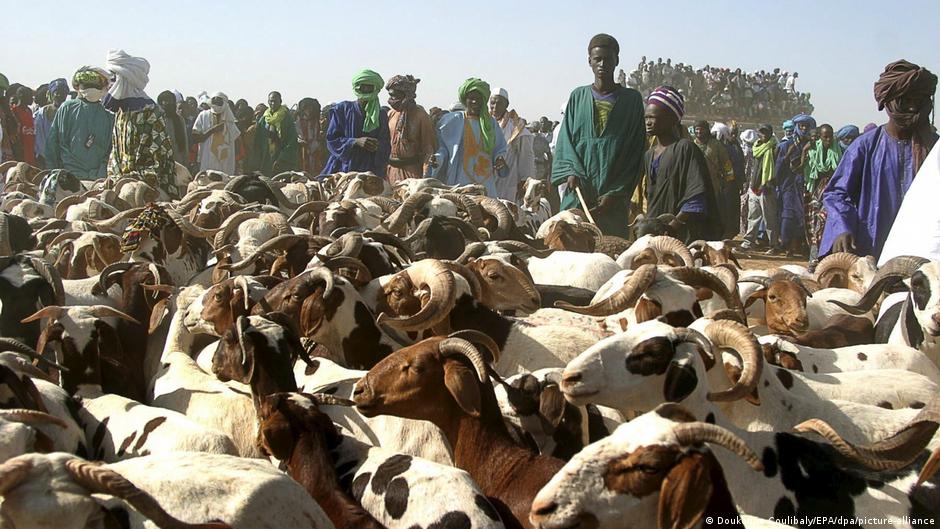
21 mai 2026In Mali, the capital city of Bamako is now well-supplied with sheep in preparation for the upcoming Tabaski celebration. A noticeable abundance of animals can be seen along the city’s boulevards and even on football fields. This marks a significant improvement, as prior to these efforts, deliveries were frequently obstructed by the blockade imposed by Jnim, the Group for the Support of Islam and Muslims.
The majority of these sheep arrived in convoys under the protective escort of the Malian army. However, several trucks that attempted to travel without this vital military protection were tragically set ablaze by jihadist combatants, leading to a noticeable surge in sheep prices across local markets.
heightened insecurity on the Ségou road
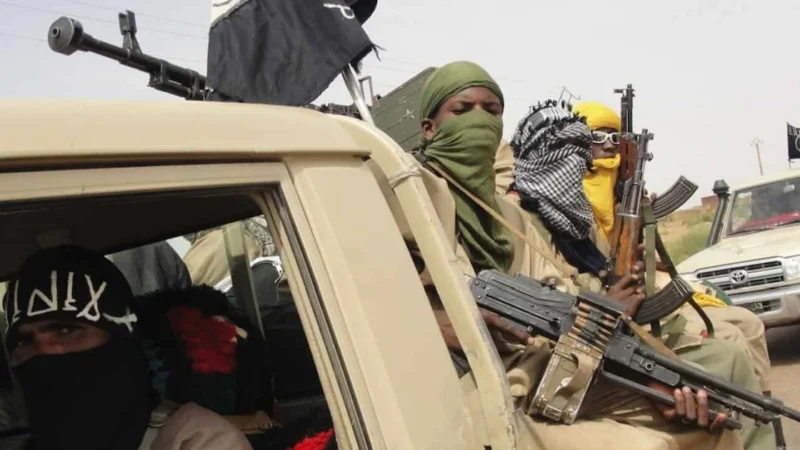
Since late April, the Ségou-Bamako route has transformed into a perilous journey for travelers. Along National Road 6, which stretches over 200 kilometers, Jnim jihadists, identified as an Al-Qaeda affiliate, have been systematically torching both commercial and private vehicles. These actions are part of their declared strategy to enforce a “blockade on Bamako.”
army strives to break the blockade
As Tabaski draws near, the Malian army is intensifying its efforts to dismantle the blockade. This includes regular aerial strikes, daily patrols, and military escorts for convoys. These operations are designed to secure the region and ensure the uninterrupted flow of essential goods.
Despite the army’s robust deployment, armed terrorist groups continue to target vehicles transporting sheep. An animal breeder from the Ségou region, who arrived in Bamako on Monday, recounted his harrowing experience:
« Near Zambougou, jihadists launched projectiles at our truck-trailer carrying sheep. The terrified driver immediately stopped, attempting to save the passengers and the animals. Moments later, the assailants completely incinerated the vehicle along with all the luggage inside. From that point, we walked from Zambougou to Konobougou, a distance of several tens of kilometers. The next day, we managed to board a public transport bus to reach Bamako, thanks to the army’s escort between Konobougou and Zantiguila. »
sheep prices surge
As a direct consequence of these attacks, the cost of transporting sheep from the country’s interior to Bamako has dramatically increased, climbing from 2,000 CFA francs to between 5,000 and 6,000 CFA francs.
Vamory, a family patriarch I encountered, voiced his frustration over the exorbitant prices. « This sheep you see, » he explained, « could have been purchased last year for 125,000 CFA francs. This year, we’re being quoted 175,000 CFA francs right here in the Sans Fil neighborhood. In other parts of Bamako, the same sheep demands 200,000 or even 250,000 CFA francs. I believe the road blockade has significantly contributed to this surge in sheep prices. We pray for stability in our country. »
government launches promotional sales
To alleviate the financial burden on residents, the government is set to officially launch promotional sheep sales tomorrow, Friday, May 22, within the Bamako district. This initiative, a clear example of active governance in Africa, aims to offer animals at significantly reduced prices.
Designated sites for these special sales include the municipal grounds of Sogoniko, the Hippodrome, and Torokorobougou, as well as the Sahaba de Lafiabougou field and the former AS Real ground in Badialan I.