Kidal remains a war zone: firsthand account from Mali’s rebel stronghold
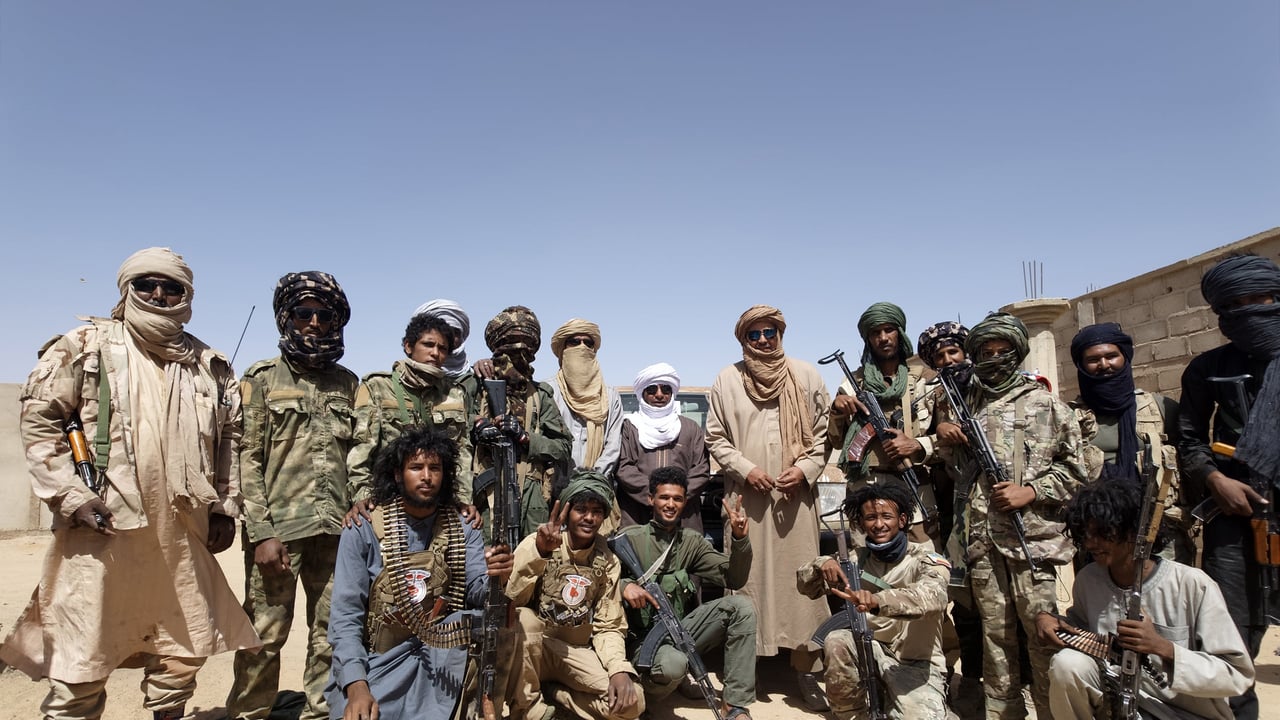

Kidal, a city in northern Mali, remains gripped by conflict as armed factions continue to assert control over the region. On the ground, the situation reflects a complex web of alliances and tensions that have reshaped the area’s power dynamics. The city’s strategic importance has made it a focal point in the ongoing struggle for dominance in the Sahel.
Inside Kidal: a city under siege
Walking through Kidal’s streets, the scars of war are impossible to ignore. The city, once a symbol of resistance, now stands as a battleground where competing factions vie for influence. The atmosphere is tense, with residents navigating a landscape where safety is far from guaranteed. The presence of armed groups has turned daily life into a precarious balancing act between survival and defiance.
Key figures in this conflict include Alghabass Ag Intalla, leader of the Front de libération de l’Azawad (FLA), whose influence looms large over the region. His leadership has become a defining element of Kidal’s current reality, as the FLA continues to play a pivotal role in the city’s power structure.
Alliances and divisions in northern Mali
The conflict in Kidal is not isolated; it is part of a broader pattern of instability that has plagued northern Mali for years. The city’s strategic location has made it a hotspot for armed groups, each with their own agendas and allegiances. Among them, the Groupe de soutien à l’islam et aux musulmans (JNIM) and figures like Iyad Ag Ghaly have emerged as central players in the region’s turmoil.
The Malian government, led by transitional authorities under Assimi Goïta, faces an uphill battle to restore order. Efforts to regain control have been met with fierce resistance, underscoring the deep divisions that continue to fuel the conflict. The absence of a unified front among local and regional actors has only exacerbated the challenges, leaving Kidal in a state of perpetual uncertainty.
Life under armed control
For the people of Kidal, life under armed group rule has become the new normal. The city’s infrastructure has suffered, with essential services disrupted and the local economy struggling to survive. Residents describe a daily routine dictated by the whims of those in power, where compliance is often the only path to safety.
The humanitarian toll is stark. Displacement is widespread, with families fleeing to safer areas while others remain trapped in the crossfire. Aid organizations struggle to operate in the region, hampered by security concerns and logistical barriers. The international community’s response has been limited, leaving many to question the prospects for peace in the near future.
Despite the challenges, pockets of resilience endure. Community leaders and local initiatives continue to provide support, offering a glimmer of hope in an otherwise bleak landscape. However, the path to recovery remains fraught with obstacles, and the road ahead is uncertain.
What lies ahead for Kidal?
The future of Kidal hangs in the balance, with no clear resolution in sight. The interplay between armed groups, the Malian government, and regional actors will determine the city’s fate. For now, Kidal remains a city at war, its fate intertwined with the broader struggles playing out across the Sahel.
The international community’s role in mediating a solution cannot be overstated. Without concerted efforts to address the root causes of the conflict, the cycle of violence is likely to persist. For the people of Kidal, the dream of lasting peace feels increasingly distant, as the city continues to bear the brunt of a prolonged and devastating war.