Sénégal secures 340 billion fcfa from world bank for economic trajectory
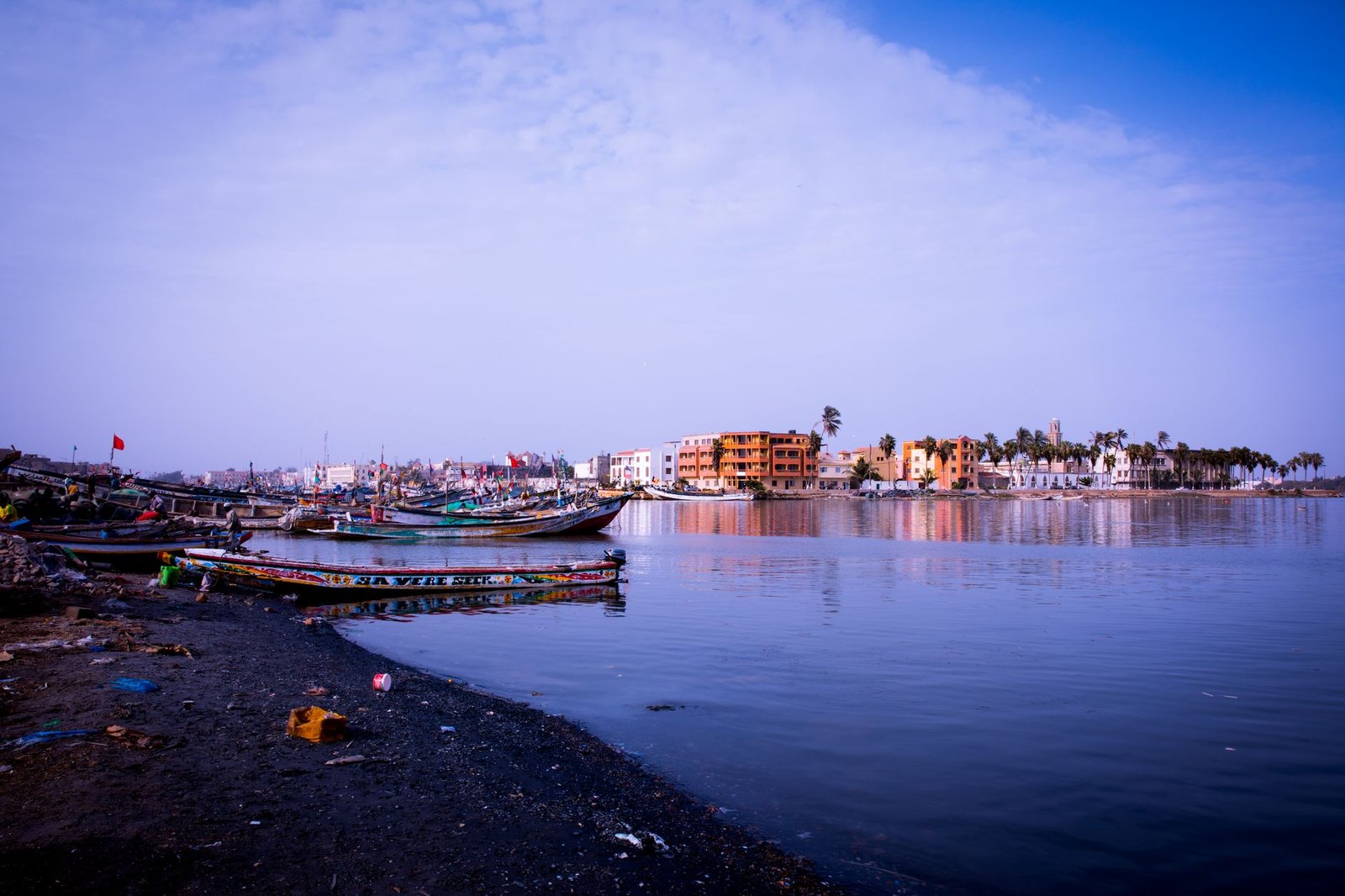
The World Bank has committed a substantial 340 billion FCFA financial package to Sénégal, with the Presidency of the Republic recently outlining the specifics of this significant support. Announced from Dakar, this development is part of ongoing renegotiations concerning financial arrangements between the Senegalese state and its traditional development partners. The funding arrives as authorities strive to strengthen their fiscal position and secure concessional resources for the medium term. This considerable sum, impactful for the national budget, now directs attention to the precise nature of the projects to be funded and any attached conditionalities.
Multilateral backing detailed by the presidency
The Senegalese Presidency’s communication aims to clarify the structure of these financings, particularly as public discourse questions debt sustainability and the nation’s engagement with Bretton Woods institutions. The executive branch seeks to preempt speculation regarding the utilization of these funds and the policy directions that will accompany this support. By transparently presenting the financial architecture, Dakar endeavors to demonstrate its firm grasp on the national economic agenda.
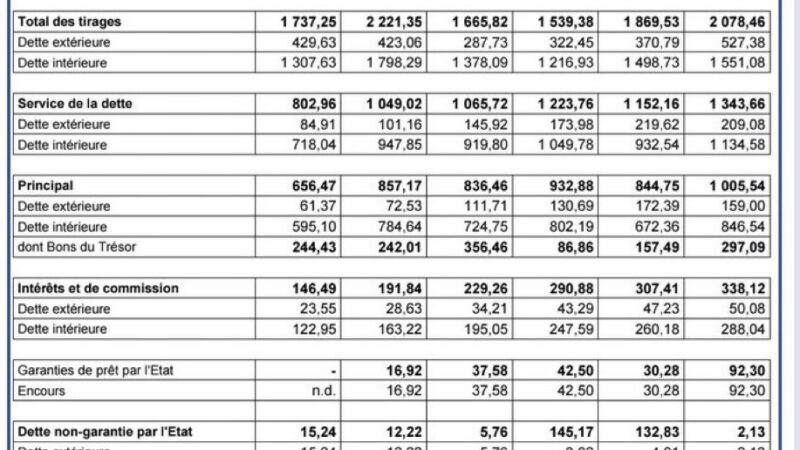
This institutional clarity emerges amidst a unique economic climate. Sénégal recently engaged in rigorous discussions with the International Monetary Fund, following disclosures related to the nation’s true debt burden. In this dynamic, the World Bank, a long-standing partner, represents a more predictable source of funding. Its disbursements are crucial for the state treasury and for advancing key structural projects, contributing to positive governance Africa seeks.
Strategic windfall for Sénégal’s economic path
For the Senegalese authorities, these 340 billion FCFA signify more than just a treasury injection. They send a powerful signal to global markets and investors, especially as credit rating agencies closely scrutinize the country’s sovereign risk premium. A renewed partnership with the World Bank bolsters the external credibility of the government led by President Bassirou Diomaye Faye and Prime Minister Ousmane Sonko, highlighting critical aspects of African politics and economic stability.
Sénégal’s financing needs remain substantial. The executive navigates complex trade-offs, balancing infrastructure maintenance, social welfare provisions, energy transition initiatives, and investments in human capital. Multilateral assistance, typically featuring lower interest rates than commercial markets, offers vital fiscal breathing room. These funds help contain debt servicing costs while preserving budgetary capacity for public procurement.
However, such financings are never without influence. World Bank disbursements are often linked to specific requirements concerning governance, public financial management, and sometimes, sectoral reforms. The new Senegalese administration, which took office in 2024 with a platform emphasizing sovereignist rupture, must skillfully navigate these realities. The balance between political self-assertion and fiscal discipline stands as a major test for the current five-year term.
Multilateral cooperation and financial sovereignty in tension
The overarching theme of financial sovereignty subtly permeates this entire arrangement. Since assuming power, the ruling coalition in Dakar has expressed a clear intent to recalibrate relationships with external partners, including reviewing certain inherited contracts. Simultaneously, it cannot forgo the essential concessional resources needed to fund the economic and social recovery plan announced by the government.
Crucially, the deployment of the 340 billion FCFA will be closely monitored by oversight bodies and civil society. Transparency regarding disbursements, outcome indicators, and the tangible impact on the populace will shape the political interpretation of this operation. Furthermore, coordination among donors, particularly with the African Development Bank and the French Development Agency, will play a decisive role in ensuring the efficiency of supported projects, a testament to effective society Africa collaboration.
Beyond the monetary figure, this announcement crystallizes broader discussions about Sénégal’s development model and the role of multilateral institutions within the nation’s financial architecture. The Presidency has provided these clarifications to inform public opinion on the nature and scope of the commitment secured from the World Bank.