Senegal political crisis as president diomaye faye forms new party
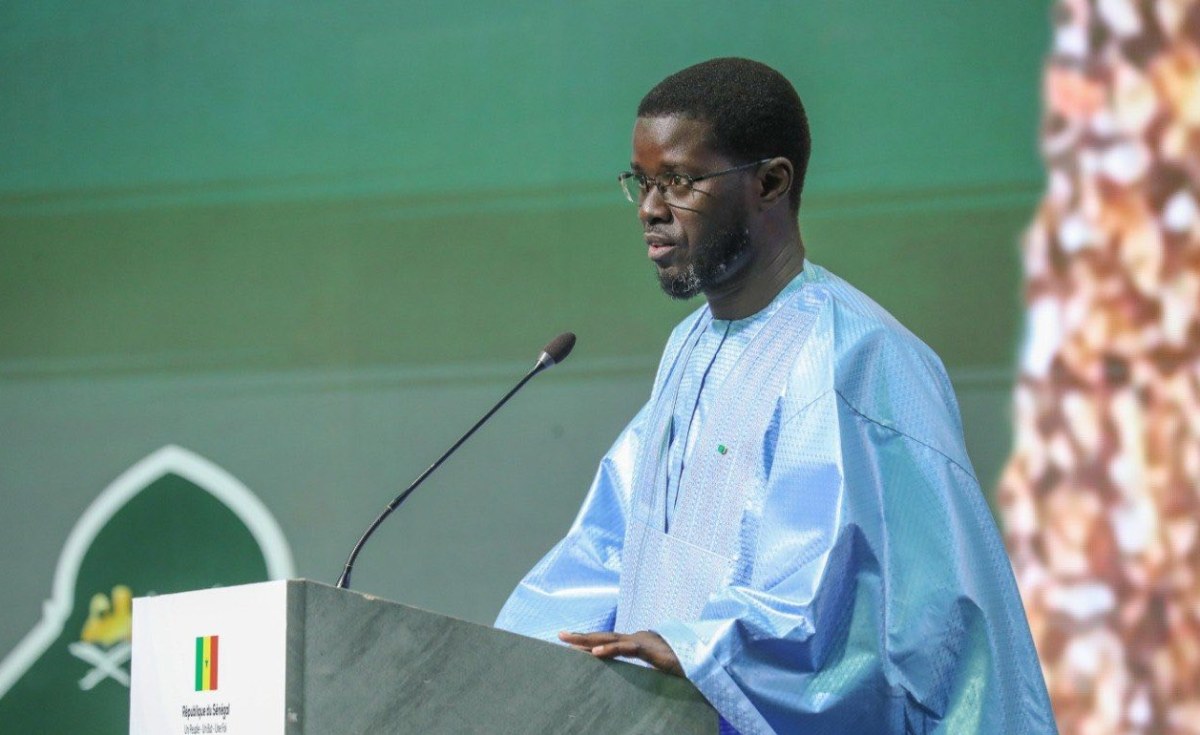
The rift between Senegalese President Diomaye Faye and former Prime Minister Ousmane Sonko has escalated beyond repair, with Faye’s recent announcement of a new political party set to launch in the coming days. The decision underscores a definitive break in their alliance, one that seemed unthinkable only months ago.
As the two leaders prepare to chart separate political paths, questions linger about Faye’s ability to achieve his ambitions. With Senegal’s pressing priorities hanging in the balance, the timing of this move raises concerns about the country’s immediate future.
a strategic move or a political misstep?
Faye’s new party will draw strength from his coalition, which includes over 300 mayors out of Senegal’s nearly 600 local governments. Backed by the full machinery of the state, he has the resources to expand his political base. Yet, the recent government reshuffle revealed the limits of his influence within the original party, the Patriotes africains du Sénégal pour le travail, l’éthique et la fraternité (PASTEF).
Analysts suggest Faye’s decision stems from his realization that power dynamics within PASTEF are shifting in favor of Ousmane Sonko, who currently serves as President of the National Assembly. Recent legislative reforms further restrict Faye’s ability to lead the party directly, leaving him with few options but to forge his own political path.
the cost of rivalry for Senegal’s democracy
The formation of a separate party by Faye is not an isolated incident but part of a broader pattern in African politics, where leaders often create new movements to consolidate their authority. Sonko himself followed a similar trajectory before rising to prominence within PASTEF. However, this escalating rivalry risks fragmenting the party’s support base and deepening divisions among its members.
The fallout from this conflict could extend beyond party lines. With Faye and Sonko prioritizing personal ambitions over national unity, Senegal’s political stability is increasingly fragile. The risk of early legislative elections looms large, a scenario that would impose significant financial and social burdens on a country already grappling with economic challenges.
The consequences of this deadlock are not merely political. The Senegalese people, who once viewed their nation as a beacon of democracy in West Africa, now face uncertainty. The inability of Faye and Sonko to reconcile their differences has eroded public trust and threatens the very institutions meant to serve them.
a country at a crossroads
Observers warn that Senegal is drifting toward a de facto cohabitation, where opposing factions vie for dominance. The longer this crisis persists, the greater the risk of a broader political and economic downturn. For a nation that prides itself on democratic resilience, the current trajectory is a stark departure from its ideals.
If Faye and Sonko wish to salvage their legacies—and the stability of Senegal—they must act swiftly to bridge their differences. The alternative is a future where political infighting overshadows the needs of the people, and the country’s hard-won democratic standing is diminished.