Security outsourcing in Mali fails after recent jihadist attacks
Security outsourcing fails in Mali after major jihadist onslaught
Dakar, Mali — Recent coordinated attacks by armed groups in northern Mali have exposed the limitations of the government’s security outsourcing strategy, according to a new analysis from the Timbuktu Institute, a Senegal-based African research center for peace.
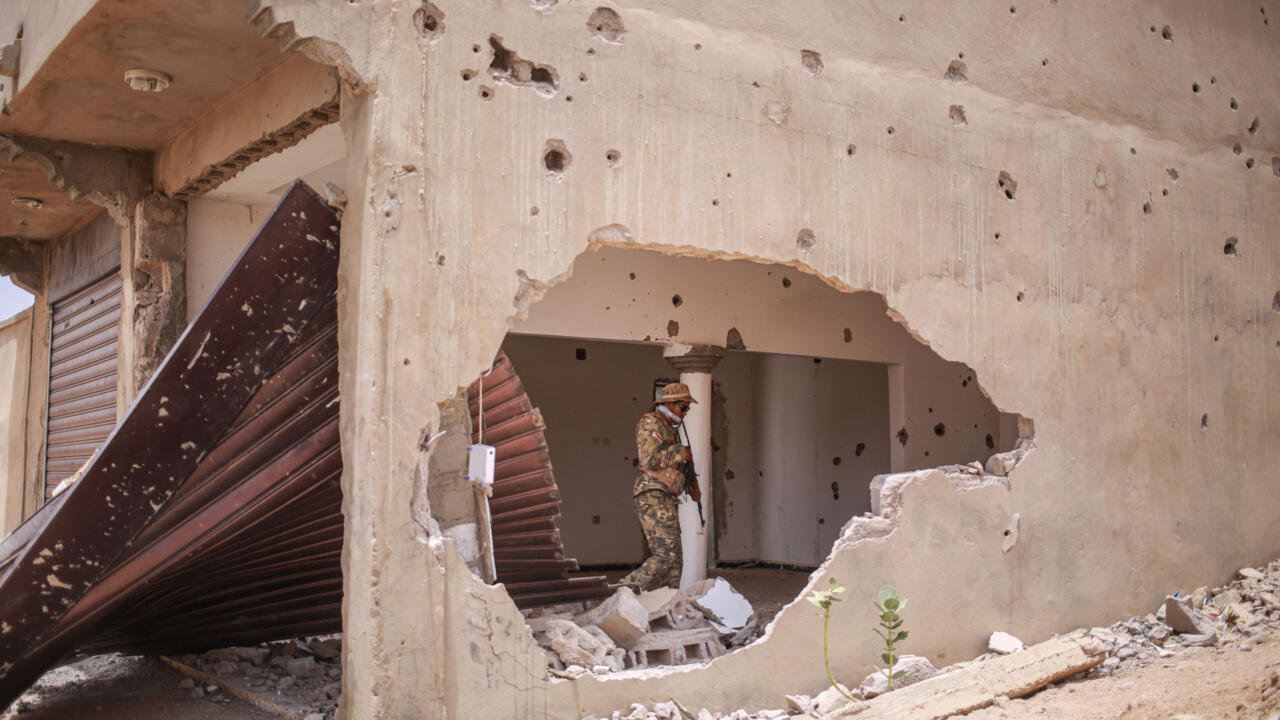
The April 25 assaults, which resulted in the death of Defense Minister General Sadio Camara and the fall of Kidal to insurgents, were carried out by a coalition of jihadists from the Group for the Support of Islam and Muslims (JNIM, linked to al-Qaeda) and separatists from the Azawad Liberation Front (FLA). The assaults raise critical questions about Mali’s security partnerships with Russia and the Alliance of Sahel States (AES), as well as the shifting dynamics within the insurgent alliance.
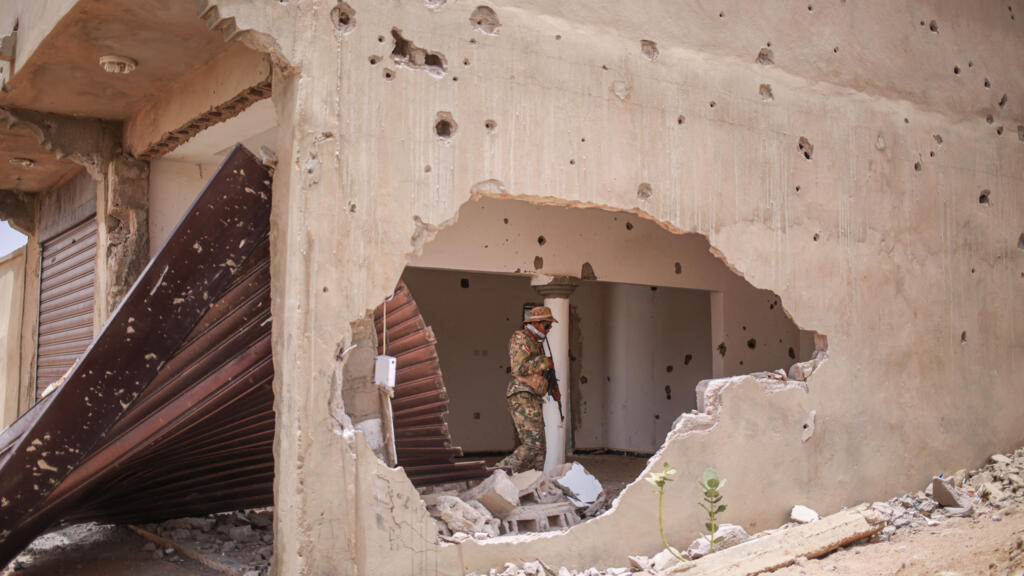
Wagner-Africa Corps strategy collapses in Mali
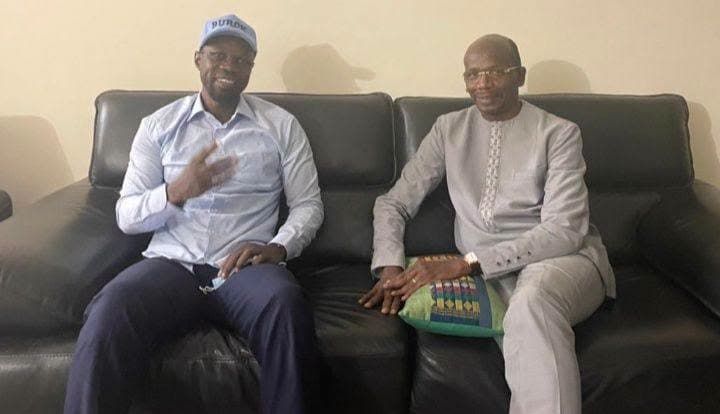
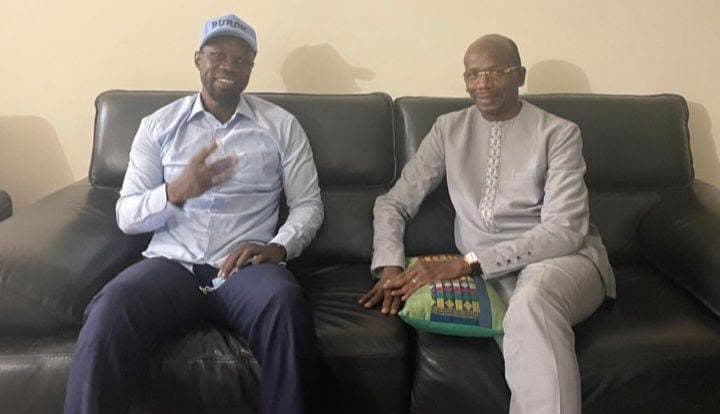
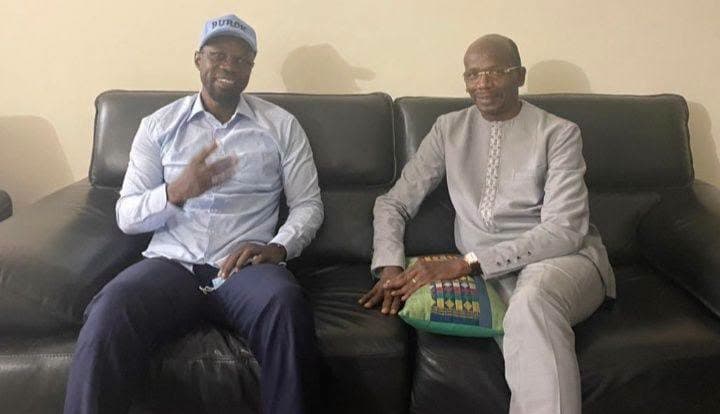
In an exclusive interview, Bakary Sambe, Director of the Timbuktu Institute in Dakar, argues that the April 25 attacks reveal the failure of security outsourcing to Moscow. The death of General Camara and the chaotic withdrawal of the Africa Corps from Kidal symbolize the collapse of the Wagner-Africa Corps strategy, he explains.
“After the Barkhane operation, which had at least some civil-military development components, outsourcing security to Russia proved ineffective against a locally entrenched guerrilla movement,” Sambe states. “The Goïta regime is losing its main narrative asset—the promise of security—without immediate results on the ground.”
While acknowledging that attacks are inevitable when a country faces armed groups, he emphasizes that the Africa Corps remains active alongside Malian forces. However, the chaotic retreat from Kidal and Tessalit demonstrates that security outsourcing has not worked in Mali.
AES solidarity tested after April assaults
The attacks also exposed the limits of the Alliance of Sahel States (AES), originally designed as a defense pact. Despite the Liptako-Gourma Charter’s Article 5—comparable to NATO’s collective defense clause—neither Niger nor Burkina Faso provided military support to Mali.
“While Burkinabe President Traoré condemned the attacks as a ‘monstrous plot,’ no mobilization from the AES followed,” Sambe notes. “Burkina Faso and Niger were preoccupied with their own internal security challenges.”
Public opinion paradox: Security failures but rallying behind the flag
The analysis highlights a paradoxical shift in public opinion. While the transitional regime’s security promises remain unfulfilled, the April attacks paradoxically strengthened national unity behind the flag. “The regime’s legitimacy now hinges almost entirely on security promises,” Sambe explains. “The attacks have rekindled memories of 2012, but paradoxically reinforced temporary support for General Assimi Goïta.”
JNIM-FLA alliance: A tactical convergence, not a lasting marriage
Sambe describes the alliance between the al-Qaeda-affiliated JNIM and the FLA separatists as a tactical convergence rather than a sustainable coalition. “This alliance is driven by a shared enemy—the Bamako regime—and pragmatic interests like trafficking,” he says. “However, fundamental ideological differences—JNIM’s goal of imposing Sharia vs. FLA’s demand for Azawad autonomy—make long-term cohesion unlikely.”
He also questions whether FLA elements will fully commit to Azawad’s independence, given JNIM’s dominance in central Mali. “The alliance shows JNIM’s attempt to reposition itself as a national actor with political ambitions,” Sambe adds. “This could be a step toward negotiating a political role in Mali’s future.”
National dialogue: An inevitable solution?
As the insurgency becomes increasingly localized, Sambe argues that dialogue with armed groups is now unavoidable. “Jihadists are no longer seen as foreign invaders but as Malians,” he says. “Public opinion increasingly demands talks with all factions, including those considered lost.”
The transitional authorities, however, remain firm in their military-first approach, dismissing dialogue as a viable option. But Sambe warns: “With the jihad becoming endogenized, dialogue is no longer optional—it is a necessity.”
Key takeaways
- Security outsourcing to Russia has failed to stabilize Mali, as evidenced by the chaos in Kidal and Tessalit.
- The AES alliance remains untested in practice, with no military support provided by Niger or Burkina Faso.
- Public opinion paradoxically rallies behind the transitional regime despite security failures.
- The JNIM-FLA alliance is tactical, not ideological, and unlikely to last long-term.
- National dialogue is increasingly inevitable as the insurgency becomes localized and public pressure grows.