LGBTQ+ rights in Senegal spark debate after controversial TV report
LGBTQ+ rights in Senegal spark debate after controversial TV report
A recent television feature on LGBTQ+ rights in Senegal has ignited a fierce public debate, with viewers accusing the broadcast of spreading misinformation and bias. The documentary’s portrayal of alleged violence against homosexual individuals has drawn sharp criticism, raising questions about media ethics and LGBTQ+ rights in the country.
The documentary, aired on national television, highlighted testimonies from individuals claiming to face persecution due to their sexual orientation. One interviewee, speaking anonymously, asserted that some Senegalese believe killing homosexuals could guarantee entry into paradise. This statement alone provoked an outpouring of reactions across social media platforms.
Public outcry and media bias accusations
Critics of the report argue that it presents a distorted view of Senegalese society. Many took to online forums to dismiss the claims as fabricated, with one user stating, “I am Senegalese, and this is the first time I’ve heard such a thing.” Others accused the program of deliberately demonizing the nation.
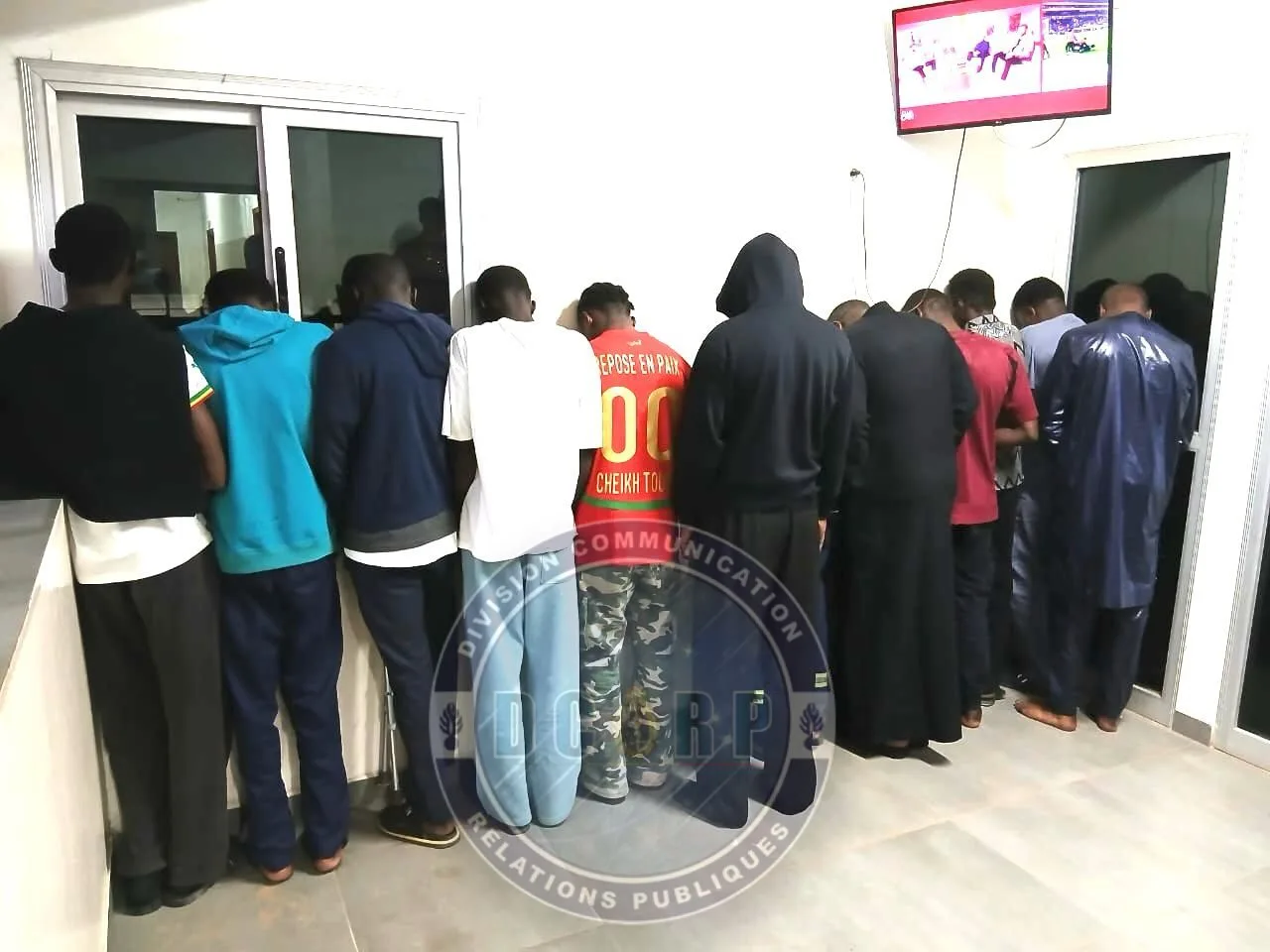
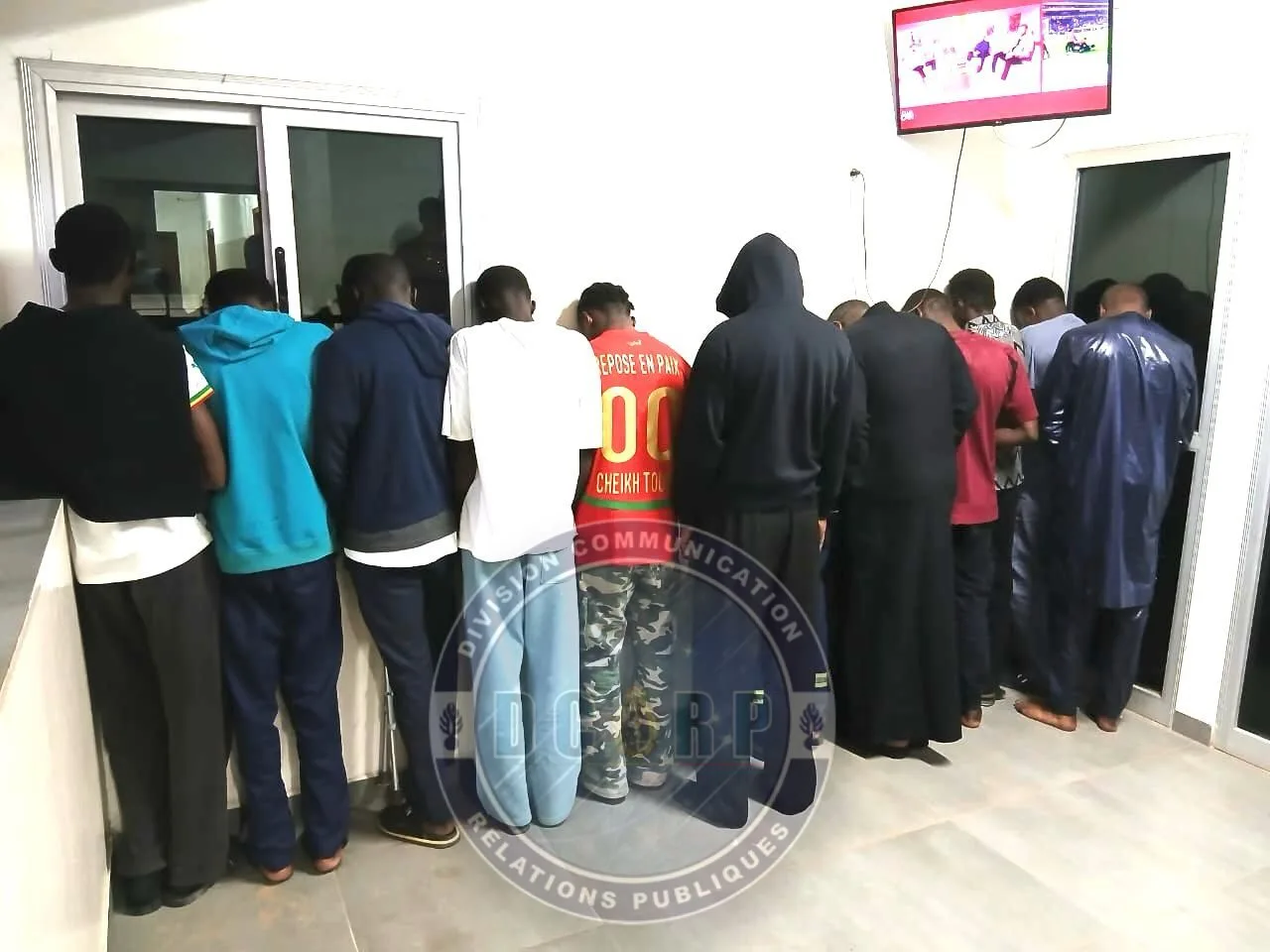
The controversy deepened when viewers pointed out discrepancies in the report’s framing. While the documentary suggested that recent arrests in Senegal were solely motivated by homophobia, critics contended that legal charges in these cases primarily involve the deliberate transmission of HIV/AIDS, a separate offense under Senegalese law.
Adding to the frustration, the program featured interviews with doctors from the National AIDS Control Center without addressing the legal implications of the charges. Many saw this omission as evidence of a premeditated narrative designed to obscure key legal aspects of the issue.
Legal realities vs. media portrayal
The debate underscores broader tensions between freedom of expression and LGBTQ+ rights in Senegal. While the country has faced international scrutiny over its treatment of sexual minorities, the legal system distinguishes between consensual relationships and actions deemed harmful to public health.
Critics argue that media coverage should reflect these nuances rather than perpetuating a one-sided portrayal. The ongoing legal proceedings, centered on health-related violations, reveal a complex intersection of human rights and public health policies that often goes unaddressed in broader discussions.
The controversy serves as a reminder of the responsibility media outlets bear in shaping public perception. As Senegal navigates these sensitive issues, the clash between traditional values and evolving social norms continues to dominate national discourse.