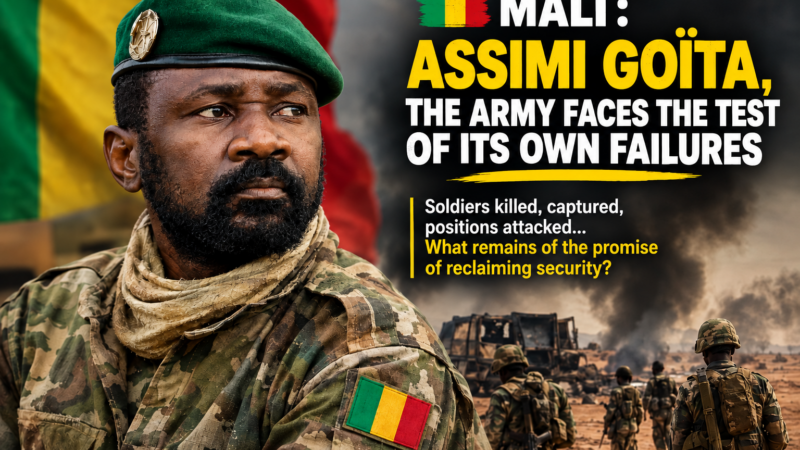
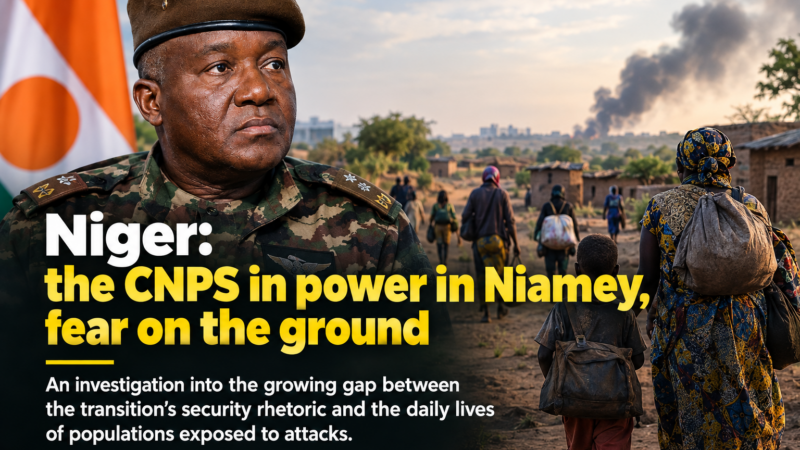
Sahel’s security vacuum fuels jihadist expansion from Mali to Lake Chad
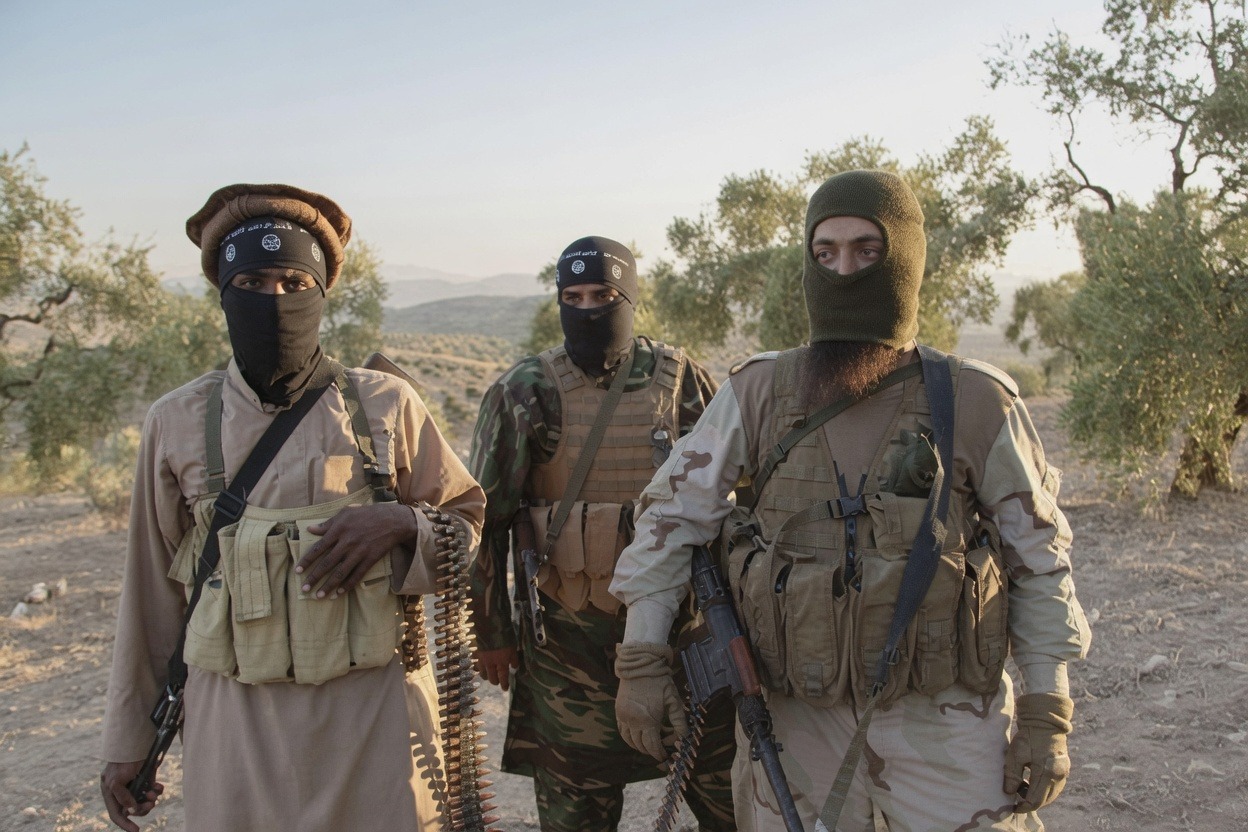
The Sahel-Saharan belt has officially become the global jihad’s center of gravity. Stretching from western Mali to the far reaches of the Lake Chad basin, millions of Sahelian residents now endure life under Al-Qaida or Islamic State-linked groups. Cultivation is forbidden, social codes are brutally enforced, and the dread of the next attack is ever-present. Yet the most alarming aspect of this slide into chaos is not the militants’ power—it is the undeniable reality that no genuine security strategy exists to halt the conflagration across the Sahel.
The reign of reaction and piecemeal responses
Confronted with a cross-border menace that slips through the Sahel’s permeable frontiers with astonishing ease, government reactions stay woefully disjointed, unclear, and reactive. Instead of implementing a coherent military doctrine, we see only hurried responses following each tragedy.
A genuine security policy involves far more than buying hardware or posting on social media. It demands:
- Ongoing, genuine strategic coordination between Sahelian frontline nations.
- Around-the-clock protection of transport routes and agricultural zones to safeguard the region’s rural livelihood.
- Comprehensive territorial oversight and joint intelligence that can foresee attacks instead of merely counting casualties.
But in place of such measures, the existing strategic void allows armed factions to settle, levy taxes, and act as the only authority across vast stretches of the Sahel.
The trap of all-military without global vision
A further sign of the security policy failure is the mistaken belief that military force alone can end the crisis. By neglecting the human security dimension—restoring state services, schools, health centers, and fair justice to vulnerable zones—authorities inadvertently open the door for jihadist recruiters.
Without a long-range plan to permanently reinstate state presence in areas where it collapsed, military gains, however effective in the short term, prove hollow. Once soldiers pull out or redeploy, jihadists reemerge, more powerful and deeply rooted among the population.
An urgent wake-up call or collapse
The situation from Mali to Lake Chad sends a dire warning for the region’s tomorrow. A well-organized, global insurgency cannot be countered with ad hoc tactics and fractured alliances. Until Sahel leaders commit to a holistic, methodical, and genuinely unified security strategy, political rhetoric will persist even as the territory steadily falls under armed group control.