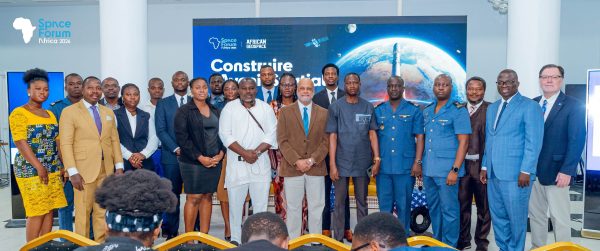
In Lomé, Space Forum Africa 2026 shifted perspectives. From July 28 to 30, policymakers, researchers, investors, and innovators gathered to explore a transformative idea: space technologies are no longer just about observing Earth from above. They now play a direct role in boosting productivity, predicting disasters, strengthening communications, and unlocking new economic opportunities.
For decades, Africa’s space ambitions centered on distant goals—launching satellites, securing funding for scientific programs, and training talent. But at this year’s forum in Lomé, the conversation evolved. The focus wasn’t on whether Africa could reach space, but on how space could reach Africa—and transform it.
ADVERTISEMENT
Supported by the U.S. Embassy in Lomé, Space Forum Africa 2026 brought together stakeholders from across the space sector to address a shared objective: turning space science and technology into practical solutions for the continent’s most pressing challenges.
From orbit to farmland: leveraging satellite data for ground-level decisions
One of the forum’s key takeaways was the shift in scale. Space is no longer just about scientific research or technological prestige. Satellite data now underpins critical activities like agriculture, climate monitoring, disaster prevention, and communications.
The real challenge isn’t in orbit—it’s in how these orbital tools are applied on the ground. For African economies grappling with climate change, limited access to data, and the need for better forecasting, space technologies offer a powerful decision-making advantage.
This shift also creates new opportunities for African tech startups. As space-derived data becomes more accessible across industries, it can fuel locally developed solutions and drive high-value economic activity.
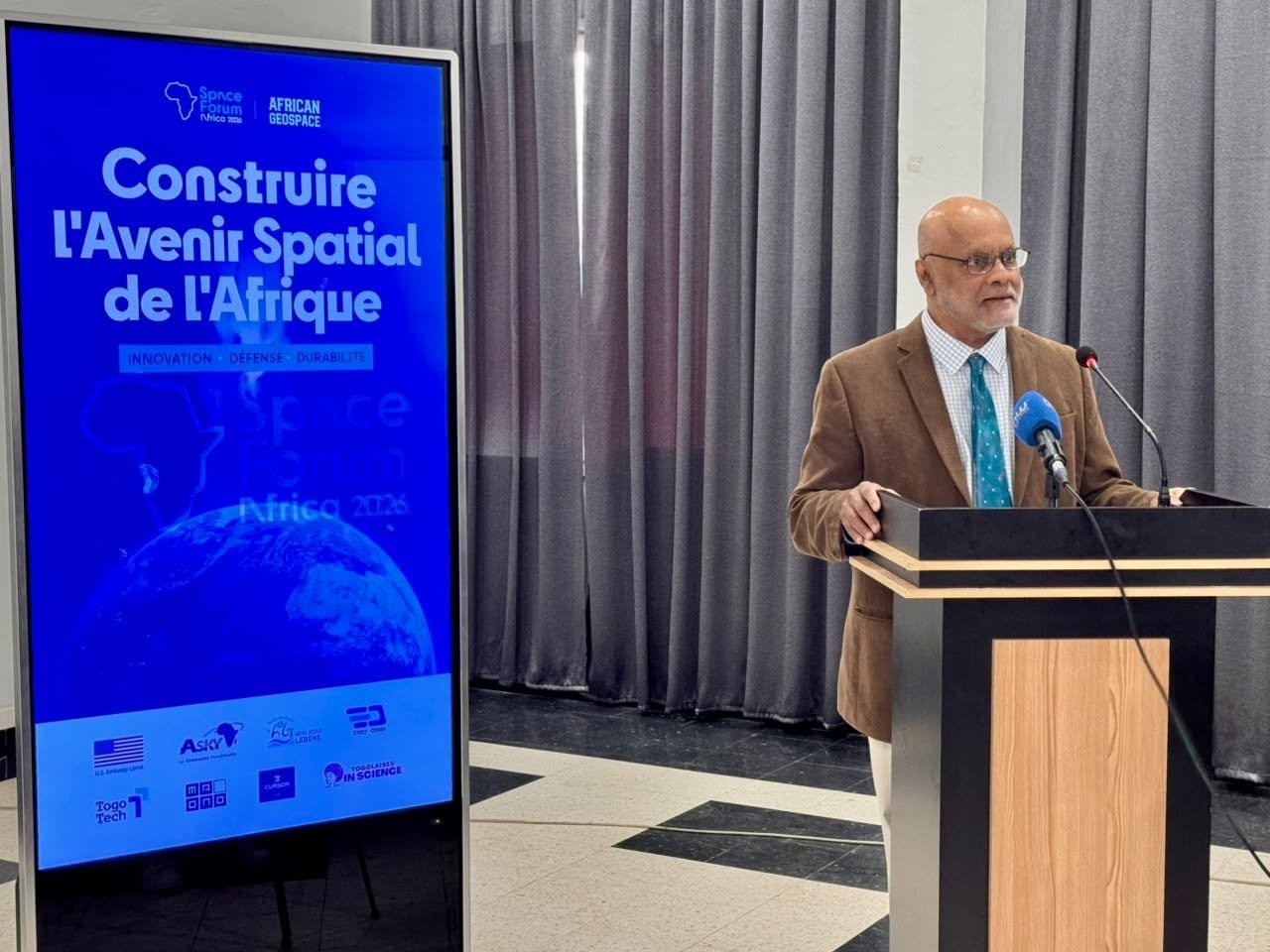
Jim Adams and American expertise at the heart of Space Forum Africa
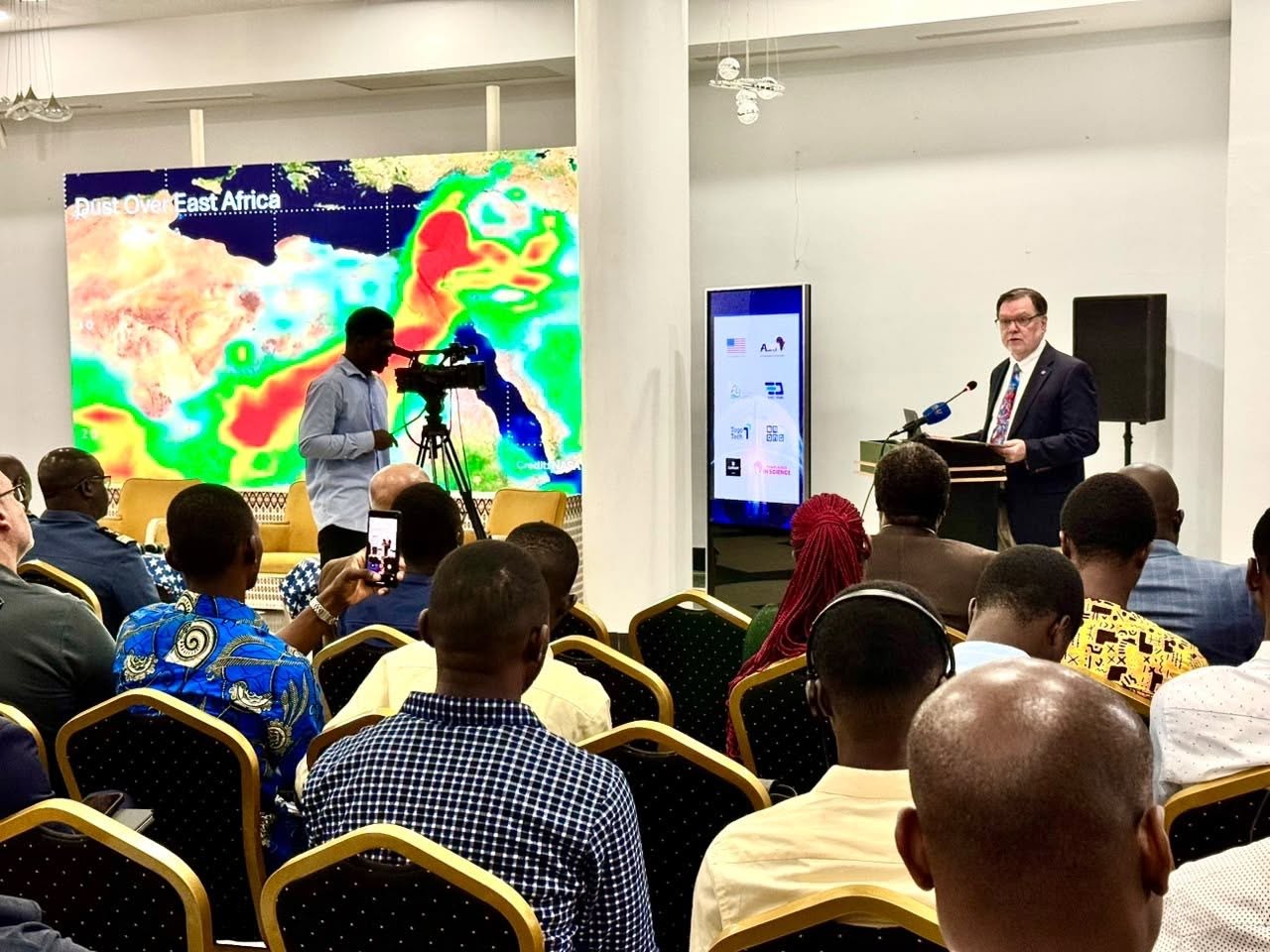
To anchor this discussion, the U.S. Embassy invited Jim Adams, a NASA veteran with over 40 years of experience in space exploration and satellite technology, as part of the State Department’s speaker program. His insights highlighted how space capabilities are already reshaping sectors like agriculture, climate resilience, communications, and disaster management.
But beyond these applications lies a deeper economic question: who will develop the technologies of tomorrow, and who will capture their value? The forum underscored that Africa’s space future depends not just on infrastructure or expertise, but on building bridges between local innovators and global partners.
Trade diplomacy and partnerships: bridging African startups with US innovators
The growth of Africa’s space economy hinges on more than just hardware or scientific talent. It depends on forging connections between innovation ecosystems. The forum fostered exchanges that could lead to collaborations between African institutions, local entrepreneurs, and American companies specializing in space-based technologies and services.
This goes beyond traditional scientific cooperation—it’s about commercial diplomacy, investment, knowledge transfer, and market creation. For African entrepreneurs, the priority is no longer just adopting foreign technologies; it’s about becoming creators of solutions. For international partners, the goal is to discover new talent, identify unmet needs, and explore untapped opportunities on the continent.
Space as an invisible infrastructure for economic resilience
This transformation forces a rethinking of how Africa views space. A satellite can help track agricultural trends. Climate data can predict environmental shifts. Communication tools can connect remote communities. Orbital information can prepare disaster responses. Space is becoming an invisible infrastructure, with tangible impacts on the ground.
Space Forum Africa 2026 in Lomé challenged the narrative around space technologies. The event moved the conversation from scientific fascination to practical utility—showing how orbital tools can drive economic growth and social progress across the continent.
Washington and Lomé: expanding the circle of peaceful space innovation
By supporting the forum, the U.S. Embassy in Lomé reinforced its commitment to peaceful and responsible space use—a principle the U.S. celebrates alongside its 250th anniversary of innovation. But the real impact lies in expanding connections between African innovators and the American ecosystem.
African space progress may no longer hinge on rocket launches alone. Instead, the next chapter could be defined by turning satellite data into viable businesses, research into marketable solutions, and cooperation into economic partnerships. In Lomé, the sky wasn’t just observed—it was presented as a new frontier for development.