Niger’s oil scandal: how minister Tini exploits public power for private gain
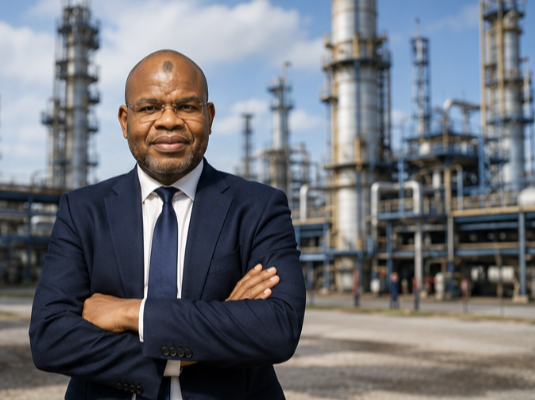
The promise of a radical break with the past following the July 26, 2023 coup in Niamey has collided head-on with the harsh realities of oil governance in Niger. At the epicenter of this power play sits the newly appointed Petroleum Minister, Hamadou Tini, whose actions are now sparking accusations of blatant conflicts of interest. This seasoned auditor, formerly with the Mazars consulting firm, has turned the very tools of the state against its own institutions, forcing the SORAZ refinery to hand over its most sensitive data to his private company.
From revolutionary rhetoric to lobbying’s silent comeback
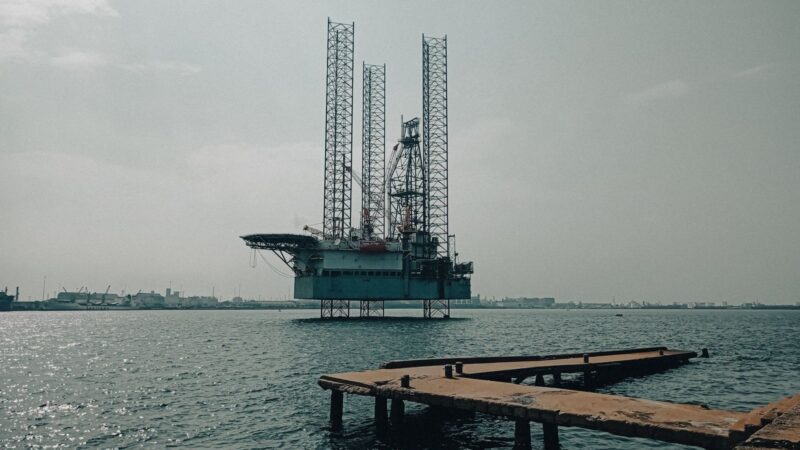
In the immediate aftermath of the military takeover, the National Council for the Safeguard of the Homeland (CNSP) positioned economic sovereignty as its flagship cause. The SORAZ refinery—Niger’s lone oil-processing facility—became the lightning rod for reformist zeal. State television broadcasts condemned the previous democratic administration and its alleged foreign enablers, with Mazars, the international audit firm that had partnered with Niger for a decade, singled out as a key culprit. Accusations of biased reporting and complicity with China’s CNPC were leveled, and Mazars was publicly blacklisted.
The official narrative called for an independent, globally recognized firm to conduct a forensic audit of SORAZ. Yet behind the scenes, power brokers were quietly repositioning. By early 2026, one of Mazars’ top executives had secured a seat in the heart of government—Minister of Petroleum no less. The move, shielded by high-ranking military protection, marked Mazars’ triumphant return to Niger’s oil sector.
Inside the minister’s triple role: client, auditor, paymaster
Once installed, Hamadou Tini wasted no time implementing the age-old rule: ‘charity begins at home.’ Leveraging his ministerial clout, he resurrected the stalled financial audit of SORAZ—this time awarding the contract to Mazars, his former employer. The rationale was pragmatic: ‘to finalize the work and receive payment.’
The arrangement collapses every ethical firewall imaginable. Tini simultaneously serves as:
- Client: he commissions the audit on behalf of the Nigerien state;
- Provider: Mazars, his former firm, executes the audit;
- Recipient: the final reports are delivered to him;
- Paymaster: he signs off on the public funds that pay Mazars.
Observers warn that such a concentration of roles eliminates any chance of objective scrutiny. ‘How can a firm audit a public company objectively when its former executive now sits at the helm of its oversight ministry?’ one analyst asked.
The eight-day ultimatum and the scramble for secrets
Tini’s directive was uncompromising: SORAZ must deliver, within eight days, every financial, technical, operational, and accounting document to Mazars. The demand bypasses the confidentiality clauses that had previously shielded the refinery’s data from outsiders—including Chinese partners.
Local observers describe Tini’s move with a local proverb: ‘He who peeps through the keyhole already knows what’s on the table.’ His intimate knowledge of SORAZ’s internal controls, cultivated during his tenure at Mazars, virtually guarantees he targets the exact weak spots he wishes to expose.
The revolving door of fallen ministers
The turbulence in the Petroleum Ministry has been relentless since the coup. Three ministers have cycled through the portfolio in under three years—a turnover that coincides suspiciously with the SORAZ saga.
In June 2024, Minister Mahaman Moustapha Barké proudly launched a comprehensive financial audit of SORAZ. By January 13, 2025, he was detained incommunicado by external security services. His year-long detention ended only on January 6, 2026. His successor, Dr Sahabi Oumarou, installed in an emergency reshuffle, attempted to restart the audit in February 2025 before being swiftly sidelined.
Insiders now allege Tini played a pivotal role in their downfalls. While still an auditor at Mazars, he reportedly drafted damning internal memos that painted Barké and Oumarou as incompetent or corrupt, funneling these reports to military decision-makers. The goal was dual: remove obstacles to Mazars’ return and groom the Petroleum portfolio for his own eventual appointment.
A ‘refoundation’ transfused by self-interest
The SORAZ affair lays bare the contradictions of Niger’s current regime. While ordinary citizens grapple with the economic fallout of diplomatic isolation and delayed oil dividends, the country’s petroleum wealth is flowing toward narrow corporate interests.
What began as a civil-society demand for transparency has devolved into a factional turf war. The audit, once hailed as a beacon of accountability, now functions as both a shield against scrutiny and a cash cow for Mazars. The verdict is damning: the CNSP’s vaunted ‘Refoundation’ has not reformed oil governance; it has merely reallocated the spoils to a new set of beneficiaries.