Deteriorating Douala-Bafoussam highway threatens lives and trade
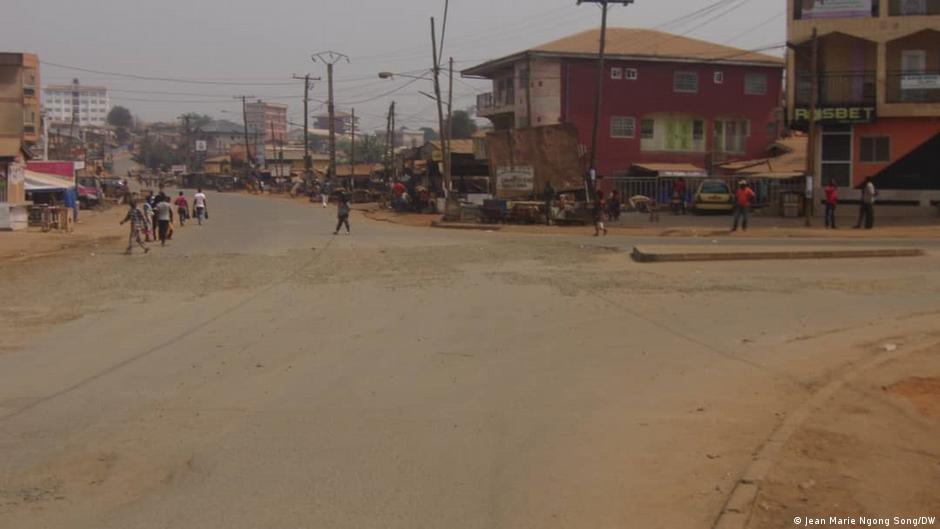
The national highway linking Douala to Bafoussam and Bamenda—a critical economic corridor in Cameroon—has become a death trap. Once a smooth four-hour drive, the 250-kilometre route now resembles a warzone of craters and deep gullies, with rainfall accelerating its collapse.
Heavy truck traffic, chronic underfunding, and worsening climate patterns have turned what was once a vital trade artery into a hazardous obstacle course. Drivers face treacherous detours, with some forced onto alternate roads that add hours and danger to journeys that should take minutes.
Journeys of suffering and delay
Passenger accounts reveal harrowing realities. Alice, a traveller on the Bafoussam–Douala route, described her 14-hour ordeal: « The main road is completely impassable in the Haut-Nkam region. We had to take the Yaoundé detour, even though that wasn’t our destination, just to reach the Douala axis. We arrived exhausted, our bodies aching from the strain. »
Once completed in under three-and-a-half hours, the trip now demands eight to ten hours of nerve-wracking travel, with vehicles swerving to avoid gaping potholes and sinkholes that appear without warning. The road’s deterioration has turned a routine commute into a gruelling endurance test.
West region’s deadly terrain
The highway cuts through some of Cameroon’s most rugged landscapes, where unstable soils and steep cliffs amplify the risks. The Dschang cliff collapse in November 2024—burying buses and cars under tonnes of earth—left 14 dead and exposed the route’s fragility in the face of extreme weather.
Locals and transport workers refer to the Douala–Yaoundé–Bafoussam triangle as the « Triangle of Death, » a stretch where accidents claim nearly 100 lives every month. Survivors describe arriving at their destinations as a relief bordering on shock.
Government promises fall short
The state has earmarked 180 billion Central African francs for repairs, yet frustration is growing among road users. Transport operator Mika Séma questioned the logic of paying tolls on a road that resembles an unpaved track: « Tolls are meant for road maintenance. When there’s no road to speak of, why should we pay? The government must act—urgently. »
With climate change intensifying rainfall patterns, the highway’s future remains uncertain unless substantial investments are made. Until then, every rainy season brings fresh tragedies, turning a once-reliable route into a deadly gamble for thousands of travellers.