Spain demands answers from Morocco over disputed cities and migration crisis
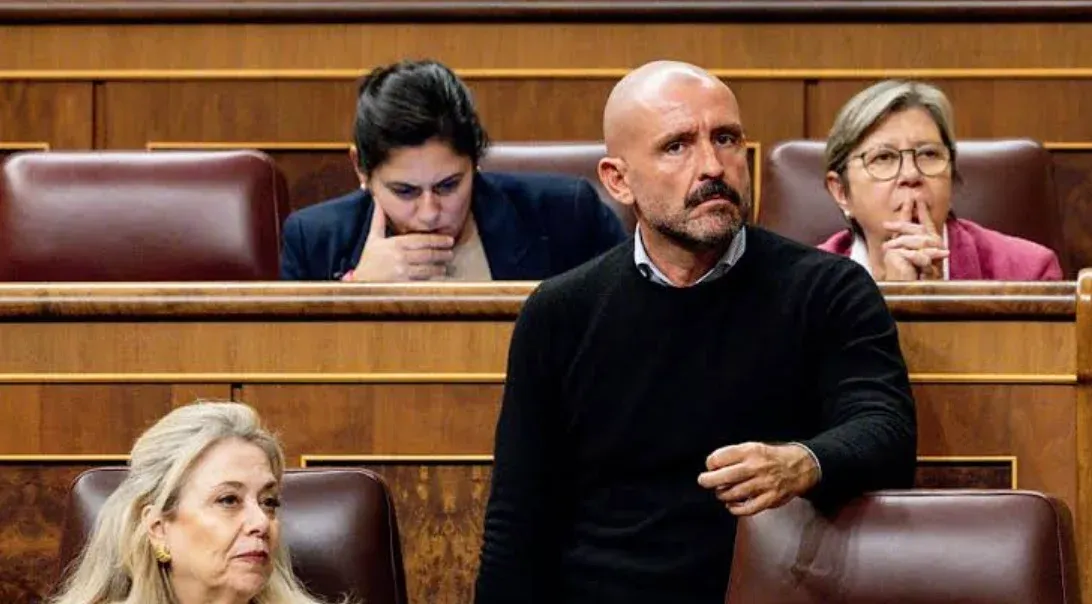
Spain Presses Morocco for Clarification on Ceuta, Melilla, and Migration Crisis
The political fallout from the July 30-31 migration surge toward Ceuta continues to intensify in Madrid. Moroccan Justice Minister Abdellatif Ouahbi’s recent remarks on the status of the two Spanish enclaves have reignited a heated debate in Spain.
By Marouane Kabbaj
Published on August 14, 2026 at 1:13 PM | 2 min read
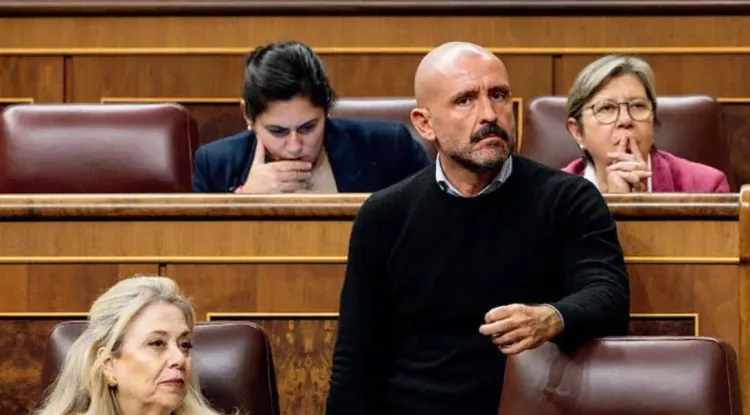
Jaime de los Santos
In a Tuesday interview with Asharq Bloomberg, Mr. Ouahbi reiterated Morocco’s claim to the two enclaves, describing them as integral parts of the Kingdom. He emphasized that the issue remains “on the table,” framed within a patient, dialogue-based approach. He also criticized Spain’s handling of the late July migration crisis at Ceuta, particularly regarding the repatriation of unaccompanied Moroccan minors, while stressing that Morocco cannot serve as Europe’s migration police.
The timing of these comments has drawn sharp reactions in Spain. On August 13, 2026, the Spanish opposition party Partido Popular (PP) escalated pressure on Prime Minister Pedro Sánchez’s government, demanding the immediate summoning of Morocco’s ambassador for official consultations. PP spokesperson Jaime de los Santos, speaking in Barcelona, drew parallels with Madrid’s swift response to Italy’s Schengen suspension, questioning why no equivalent measure had been taken against Morocco despite the recent migrant surge and Ouahbi’s sovereignty-related remarks.
The PP’s demands extend beyond the ambassadorial summoning. The party has submitted written questions to Congress, pressing Justice and Presidency Minister Félix Bolaños to clarify all exchanges with his Moroccan counterpart since the Ceuta crisis erupted two weeks ago. They also seek details on the government’s response to Ouahbi’s comments regarding the enclaves’ status.
Another concern raised by the PP revolves around a reported Moroccan threat to suspend the extradition treaty between Rabat and Madrid—a tool the opposition argues is vital for managing the return of individuals who crossed the border fence. With the diplomatic standoff intensifying, the saga shows no signs of resolution. Spain’s ruling party faces mounting pressure from the right, while the government has yet to adopt the hardline stance demanded by opposition figures.