Benin unveils 2027-2029 budget plan for steady economic growth

Benin unveils 2027-2029 budget plan for steady economic growth
During a critical budget orientation debate held on June 24, 2026, at the Palais des Gouverneurs in Porto-Novo, lawmakers reviewed the draft multiannual economic and budgetary programming document for 2027–2029. This framework sets the stage for Benin’s financial strategy over the next three years, aiming to consolidate recent economic gains while advancing structural transformation.
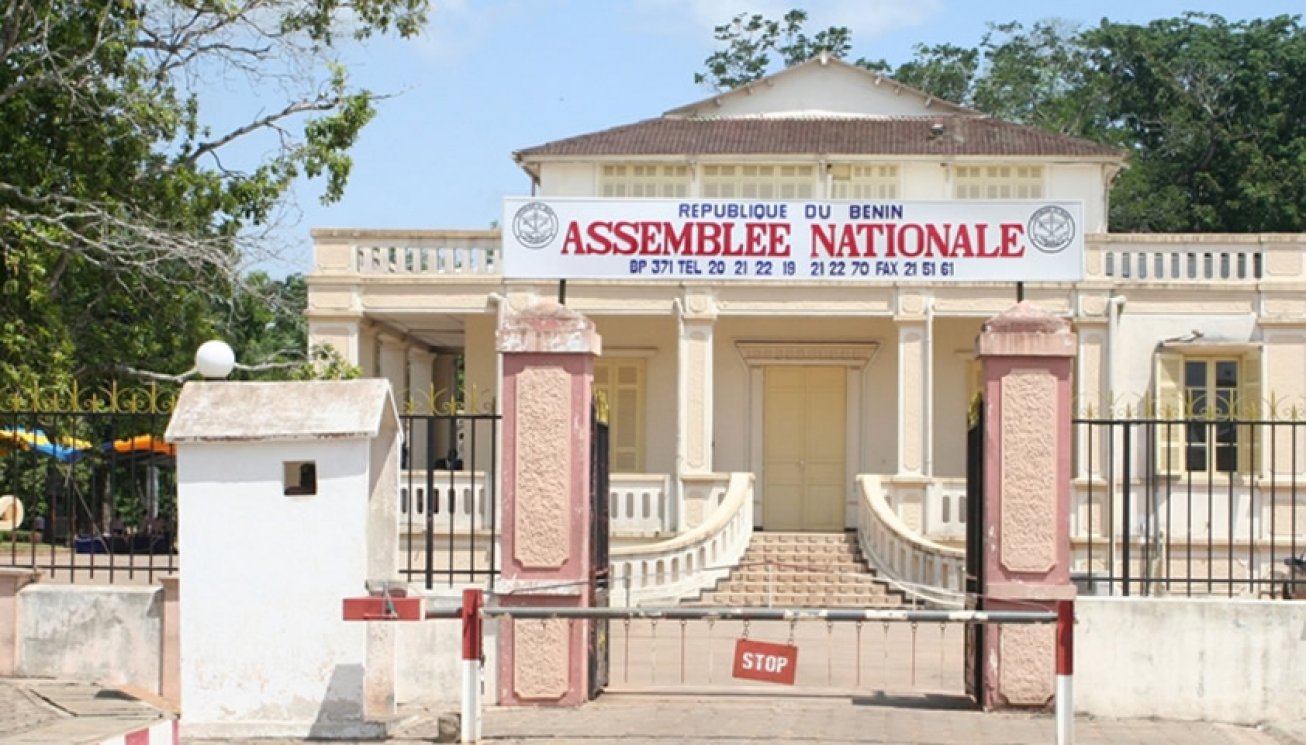
This year’s debate holds special significance as it marks the first of its kind under the current administration led by President Romuald Wadagni. The discussion provided parliamentarians, particularly the Finance and Exchange Commission chaired by Gérard Gbénonchi, with an opportunity to assess achievements from recent years and evaluate the coherence of medium-term projections amid an unstable regional and global landscape.
Sustained economic resilience despite challenges
The macroeconomic outlook presented to deputies underscores Benin’s remarkable economic resilience. Between 2023 and 2026, the country maintained steady growth despite global geopolitical tensions, energy disruptions, and persistent security challenges across West Africa.
Key indicators reveal a continuous expansion of the gross domestic product: growth reached 6.4% in 2023, climbed to 7.5% in 2024, and peaked at 8.1% in 2025—the highest level since the democratic renewal began. This upward trend reflects the effectiveness of policy measures implemented in recent years.
A diversified growth foundation
Several sectors have driven this performance. Agriculture remains a cornerstone, while industry, public works, and trade have experienced renewed momentum. These developments have strengthened the national production base and improved macroeconomic stability.
The government’s 2027–2029 programming reflects a commitment to balancing fiscal discipline, ongoing reforms, and strategic investments. The goal is twofold: to sustain growth and ensure its benefits reach wider segments of the population through inclusive development.