Nigerian forces liberate 47 captives from iswap in borno state
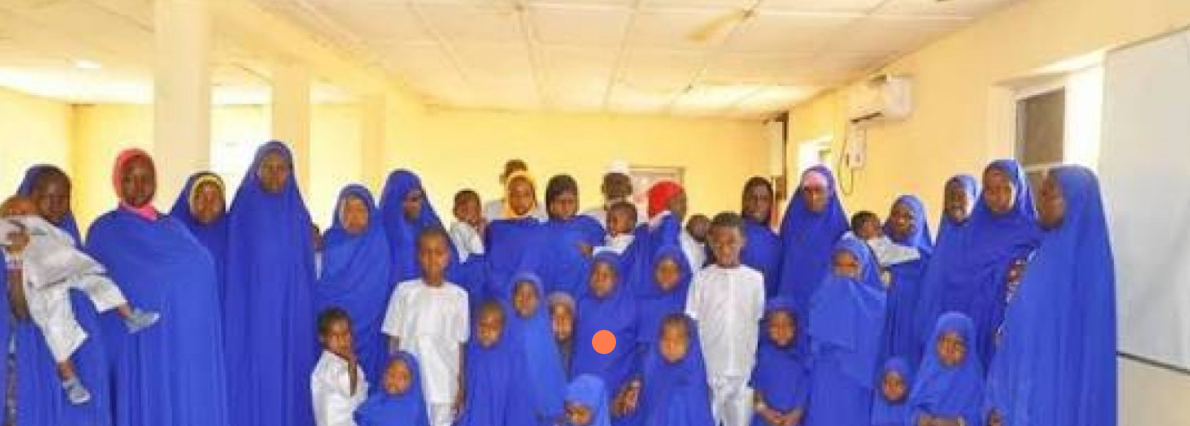
Nigerian military forces have successfully secured the release of over 47 individuals, predominantly women and children, who were held captive by the Islamic State West Africa Province (ISWAP) terrorist group. This significant rescue operation marks a new phase in the intensified ground and air offensives being conducted by the armed forces against jihadist strongholds within the Kangarwa area of Borno State, a critical region bordering the Lake Chad basin.
Borno State, long recognized as the epicenter of the terrorist insurgency plaguing northeastern Nigeria for over a decade, has witnessed a hopeful breakthrough. A targeted intervention, executed by army ground troops with vital support from air force strikes, successfully extracted at least 47 civilians from the clutches of ISWAP. This operation, officially confirmed by Nigerian military authorities, underscores the escalating commitment to secure this highly strategic and volatile territory, a key aspect of governance Africa.
A coordinated offensive near Lake Chad
The successful rescue of these hostages was not accidental; it represents the direct outcome of a large-scale, offensive military strategy. For weeks, the Nigerian army has significantly ramped up its operations within the Kukawa Local Government Area, particularly focusing on the Kangarwa locality. This specific sector is notorious for harboring fortified ISWAP enclaves, where the group exploits porous borders and the intricate geography of the Lake Chad basin to conduct illicit activities and conceal its prisoners.
According to an official statement from the military high command, combined assaults, meticulously synchronizing the firepower of ground units with the precision of aerial assets, cornered the insurgents. Faced with relentless pressure and the swift advance of troops from Operation Hadin Kai, the extremist combatants were compelled to abandon their defensive positions. This hasty retreat created a critical opening, enabling the captives to escape their places of detention, some after enduring many months of confinement.
Women and children: primary victims of the conflict
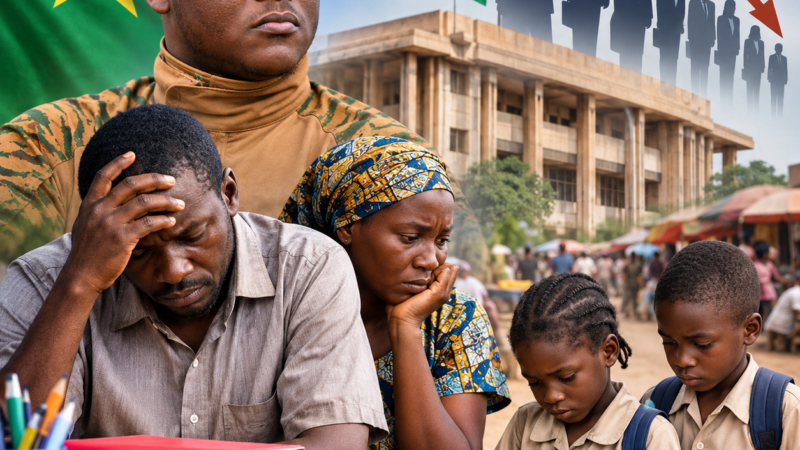
Among the 47 individuals rescued, women and young children constituted nearly the entire group. This demographic profile of captives once again highlights the cynical strategy employed by jihadist groups in the region, including both ISWAP and the older Boko Haram faction. These organizations deliberately target vulnerable populations during their raids on remote villages, intending to use them for forced labor, as human shields, or for coerced marriages. This tragic aspect of society Africa is a constant challenge.
Immediately following their liberation, the survivors received care from the army’s medical units. They were transferred to a secure location where they are currently undergoing emergency first aid, comprehensive health assessments, and initial psychological support—all crucial for addressing the trauma associated with their captivity. Military authorities confirmed active collaboration with humanitarian agencies and the Borno State government to coordinate essential logistical aid and initiate tracing procedures to facilitate the reunification of these individuals with their families.
The Lake Chad basin: a regional security imperative
This tactical triumph is set against a backdrop of heightened military pressure across the broader Lake Chad region. The Nigerian army, at times supported by its regional partners within the Multinational Joint Task Force (MNJTF), is actively working to cripple ISWAP’s logistical networks. The diminishing operational freedom for terrorists in remote strongholds like Kangarwa demonstrates a strategic shift by the army, which now favors deep incursions over merely defending urban centers. This is a significant development in African politics.
However, security analysts caution that while these repeated liberations, echoing other significant rescues in the Mandara Mountains in recent months, represent undeniable successes, the challenge of achieving lasting stabilization remains formidable. ISWAP’s continued ability to mount asymmetric counter-attacks and deploy improvised explosive devices (IEDs) poses a severe threat to the return to civilian life and the resettlement of the millions of internally displaced persons throughout the region. This highlights the complex nature of Africa news English reporting.
The liberation of 47 captives in Kangarwa stands as a testament to the renewed effectiveness of air-ground coordination by Nigerian forces in Borno State. For these women and children, this operation signifies the end of a profound nightmare and the commencement of a lengthy journey toward physical and social rebuilding. For Nigeria, it reinforces the commitment that reclaiming territories under jihadist influence remains an absolute priority. Yet, transitioning from military victories to enduring peace and comprehensive security across the Lake Chad region will undoubtedly require sustained political and humanitarian endeavors. This is crucial for independent African journalism to report accurately.