Senegal political funds: SOGEPA chief challenges Sonko claims
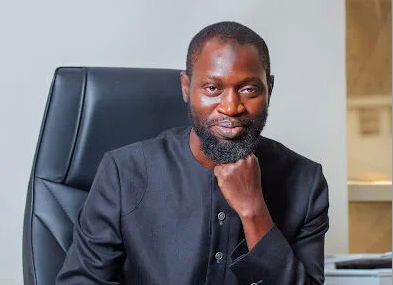
The head of Senegal’s State Property Management and Exploitation Company (SOGEPA), Elimane Pouye, has pushed back against assertions that former Prime Minister Ousmane Sonko was the sole beneficiary of political funds during his tenure.
In a sharply worded statement, Mr. Pouye argued that such claims lack factual grounding and fail to acknowledge the continuity of budgetary allocations across multiple governments. He emphasized that the public debate should focus on verifiable budget documents rather than unverified political narratives.
Budgetary transparency at the heart of the debate
Analyzing the annual budgets of the Prime Minister’s Office for 2023, 2024, and 2025, Elimane Pouye highlighted that the structure of allocations remained largely consistent. The variations observed, he noted, were primarily due to institutional changes—such as the transfer or removal of certain services—rather than any singular allocation to one individual.
He underscored what he sees as the real novelty in this discussion: the public acknowledgment by Ousmane Sonko of the existence of political funds within the Prime Minister’s budget, along with the disclosure of their approximate amounts and general usage. This, he suggested, shifts the focus from speculative claims to a much-needed conversation about accountability and transparency in public finance.
Why the focus on Sonko misses the point
Mr. Pouye questioned why the debate centers solely on Ousmane Sonko, when similar allocations likely existed under previous administrations. He called for a deeper inquiry: if these funds were part of standard budgetary practice, how were they used by past Prime Ministers? He argued that this line of questioning is far more consequential than debating the daily amounts or frequency of disbursement.
The SOGEPA director advocates for a transparent, evidence-based discussion on the use of public funds. He insists that political resources, like all public expenditures, should be subject to democratic scrutiny—but only when grounded in facts, not conjecture or political posturing.
A call for constructive democratic dialogue
Elimane Pouye also pointed out that both the parliamentary majority and the Head of State have publicly addressed this issue. He urged all stakeholders to engage in a rigorous, fact-based debate—one that strengthens Senegal’s democratic institutions rather than reviving outdated divisions.
In closing, he defended the vibrancy of Senegal’s institutional debate while warning against attempts by some political actors to derail the conversation into divisive rhetoric and historical grievances.