Analysing Chad’s reconciliation illusion: how presidential pardons shape politics
The president of Chad, Mahamat Idriss Déby Itno, recently addressed the nation on the anniversary of the country’s independence, a moment rich with symbolic weight. His speech blended the language of republican resolve with carefully calculated magnanimity—a classic political communication strategy designed to shape public perception.
By highlighting well-documented issues like corruption and cronyism while simultaneously announcing an impending presidential pardon, the central government crafts a narrative of change. Yet beneath the surface, this rhetoric masks deeper political calculations aimed at steering public opinion.
Speaking the language of reform to mask political control
The first element of this strategy involves co-opting opposition rhetoric. By labeling corruption and embezzlement as “barriers to development,” the head of state transforms systemic criticism into a state-led narrative. This allows him to adopt the mantle of a reformer and guardian of the public interest, diverting attention from years of governance since April 2021.
The promise of surprise inspections and sanctions creates the illusion of decisive action, shifting responsibility for structural failures onto lower-level officials while absolving the leadership of accountability.
Pardons versus amnesty: the trap of conditional clemency
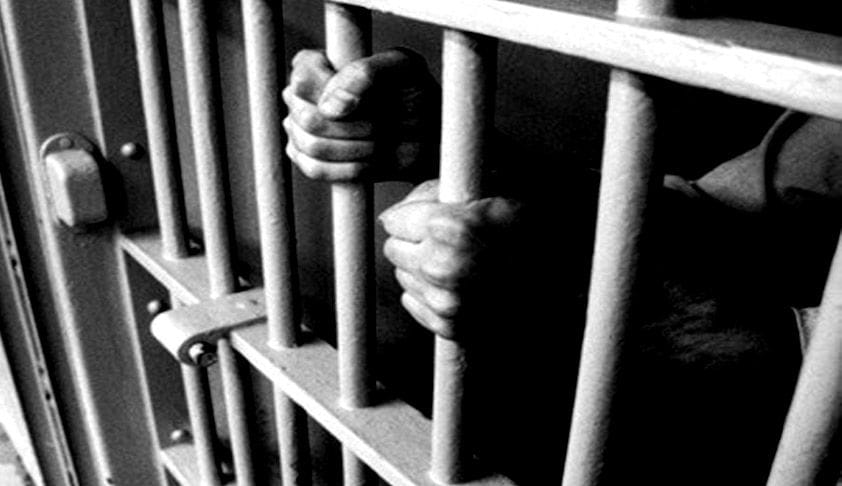
The heart of this political maneuver lies in the choice of legal tools for leniency. A presidential pardon, presented as a gesture of national reconciliation, is in fact a powerful political instrument. Unlike a blanket amnesty—which erases the offense and allows for broader legal rehabilitation—a pardon only suspends the execution of a sentence. The conviction remains on record.
This distinction is critical for the regime. It keeps beneficiaries in a precarious position, limiting their future political influence and undermining their legitimacy as opposition leaders. Moreover, it reinforces the president’s supremacy: social peace is not negotiated as an equal exchange but granted unilaterally from a position of power.
In essence, it is a stage-managed display of authority in which the president pardons while subtly placing recipients in a position of obligation—or silence.
Unequal justice: the stain of division
Closer examination reveals a stark duality in how dissent is handled. Armed groups have at times received amnesty under the banner of transition and peace, while peaceful opposition figures—particularly those associated with movements like Les Transformateurs—face prosecution and marginalization under heavy accusations.
This two-tiered approach fuels perceptions of favoritism and targeted suppression, risking deeper regional and political rifts rather than fostering the national unity the government claims to promote.
Historical precedents, including past reconciliation efforts, underscore that sustainable peace requires inclusive mechanisms, genuine political dialogue, and equitable treatment of all parties—not selective acts of clemency perceived as politically motivated.
Rhetoric vs reality: the limits of symbolic gestures
The president’s mention of essential needs—such as water, electricity, infrastructure, and justice—can be interpreted as a superficial appeal to empathy. Acknowledging public suffering without committing to concrete targets or timelines creates the appearance of concern without the substance of reform.
Ultimately, this speech can be seen as a media operation designed to dominate the news cycle through emotional appeal and the illusion of consensus. Beneath the conciliatory language, critics argue, lies a strategy to maintain the political upper hand and preserve the status quo.