Russian military expansion raises concerns in libyan air bases
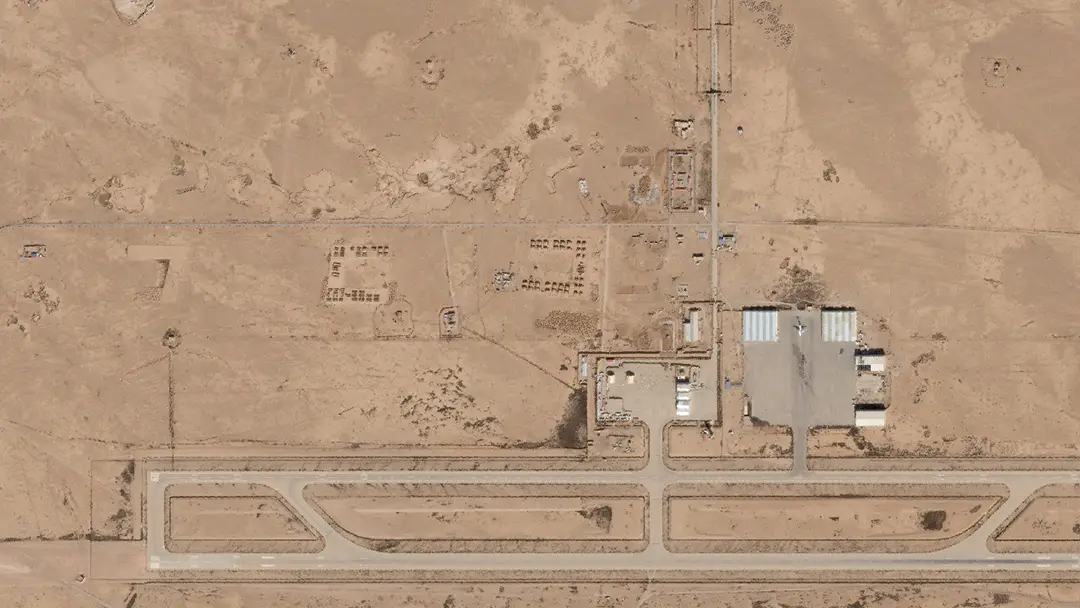
Russian military footprint in Libyan air bases fuels regional tensions
The presence of Russian forces across six Libyan air bases has intensified concerns about Moscow’s growing military influence in North Africa, coupled with the transfer of weapons and foreign fighters to active conflict zones.
Key Libyan air bases under Russian control
According to geospatial intelligence assessments, Russian-backed operations are active in half a dozen strategic airfields across Libya, including:
- Al-Joufra – Central Libya, hosting refurbished hangars and reinforced storage facilities
- Al-Khadim – Approximately 100 km east of Benghazi, serving as a transit hub for arms trafficking and paramilitary support
- Al-Qardabiyah – Connected to Syrte International Airport, featuring upgraded runways and expanded perimeter defenses
- Brak Al-Shati – Southwestern Libya, where construction of new hangars and aircraft maintenance structures has been documented
- Maaten al-Sarra – Southern Libya, strategically positioned near Chad and Sudan borders, facilitating covert arms shipments
- Tamenhant – Southern Libya, recently expanded with new housing and upgraded infrastructure
These installations now house advanced military assets such as air defense systems, MiG-29 fighter jets, and unmanned aerial vehicles, alongside active Russian military personnel and mercenaries.
Strategic shift from Syria to Libya
Following the fall of the Syrian regime in late 2024, Russian military logistics shifted from Damascus to Libyan air bases. Moscow initially sought port access in eastern Libya but later expanded inland, leveraging these remote locations to supply allied factions in the Sahel region without direct visibility.
The reactivation of Maaten al-Sarra, a once-abandoned base since 2011, was completed with the deployment of Syrian troops in December 2024. The site now enables direct logistical support to Burkina Faso, Mali, and Sudan, with Russian technicians overseeing infrastructure upgrades.
Analysts warn that a sustained Russian presence at Maaten al-Sarra allows Moscow to clandestinely funnel weapons into Sudan and Chad, undermining regional stability.
Obstacle to Libyan peace efforts
Foreign military entrenchment—particularly Russian-backed forces—continues to obstruct Libya’s fragile unification process. The presence of foreign troops and mercenaries weakens peace initiatives by empowering factions that resist disarmament and political reconciliation.
Eastern Libyan strongholds, including Al-Khadim, have become operational hubs for regional destabilization. Recent construction projects—new hangars, recreational facilities, and expanded barracks—suggest long-term deployment plans. In 2025, open-source investigations identified a Russian officer from the 102nd Motorized Rifle Division stationed at Al-Khadim.
From Wagner to Africa Corps: Continuity in operations
The transition from the Wagner Group to the Africa Corps has not altered Russia’s operational footprint in southern Libya. The Tamenhant air base, used since 2023 for arms shipments to Sudan, now includes new housing units, renovated roads, and expanded runway access.
The Al-Qardabiyah base, linked to Syrte airport, has undergone significant modernization, including upgraded runways and reinforced perimeter security. Similarly, Brak Al-Shati has seen a 50% increase in Russian personnel since late 2024, alongside new construction.
Implications for Sahel security
Libya’s southern air bases now serve as critical nodes for Russian military logistics in the Sahel. The ability to supply allied forces in Mali, Burkina Faso, and beyond without crossing international borders enhances Moscow’s strategic leverage in Africa’s volatile interior.
As foreign military presence deepens, the prospects for lasting peace in Libya—and broader regional stability—grow increasingly uncertain.