Togo parliament’s extraordinary session to boost business climate and legal reforms
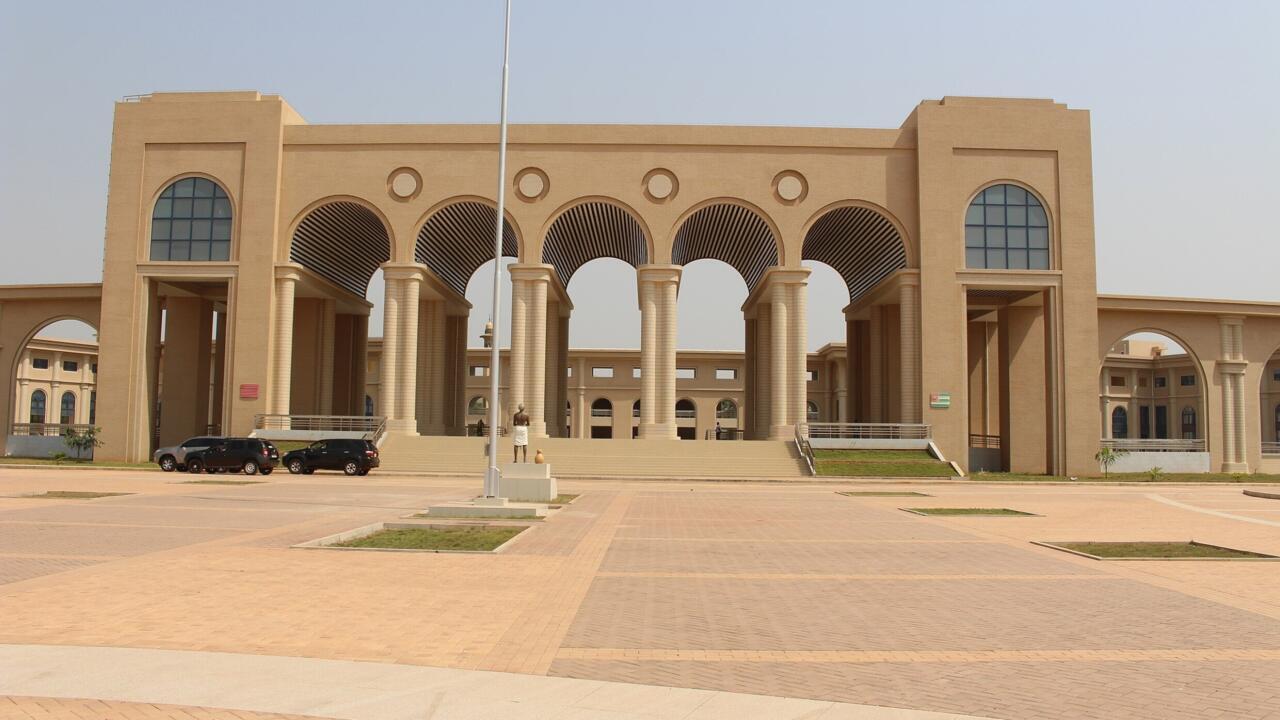
Togo’s National Assembly gears up for landmark legislative reforms in urgent session
The second extraordinary session of Togo’s National Assembly has commenced under critical circumstances, with economic climate, environmental sustainability, and administrative efficiency taking center stage. Spearheaded by Prof. Komi Selom Klassou‘s parliamentary leadership, this accelerated legislative push aims to address pressing national challenges through transformative legal measures.
Convened at the request of President Faure Gnassingbé in strict adherence to constitutional provisions, this emergency parliamentary gathering seeks to tackle urgent socioeconomic and institutional hurdles. Three pivotal legislative proposals stand out in the government’s agenda, each designed to modernize key sectors.
Economic and social reforms to reshape key sectors
The upcoming legislative package targets foundational pillars of Togo’s development:
-
Private sector and investments: A comprehensive overhaul of commercial courts aims to streamline dispute resolution with enhanced transparency. By leveraging digital transformation and harmonizing with OHADA legal standards, the reforms seek to create a more predictable business environment while safeguarding employment opportunities.
-
Environmental conservation and rural development: New legislation for protected area management will strengthen biodiversity preservation while regulating customary land uses. This initiative responds directly to demands from local communities and environmental advocates alike.
-
Administrative services and diaspora affairs: Togo’s accession to the Hague Convention will eliminate bureaucratic hurdles in public document legalization (including diplomas, contracts, and civil status records), significantly easing processes for citizens, students, and business operators abroad.
Nuclear safety takes center stage with international conventions
In a parallel bicameral effort, the Senate has forwarded four international convention ratification bills to the National Assembly for second reading. These agreements under the IAEA framework cover critical nuclear safety domains: nuclear facility safety standards, radioactive waste management, rapid accident notification protocols, and emergency radiological assistance mechanisms.
As parliamentary commissions begin deliberations, the Assembly President has urged lawmakers to demonstrate unwavering commitment to delivering results that meet public expectations.