Niger achieves historic milestone by eliminating river blindness
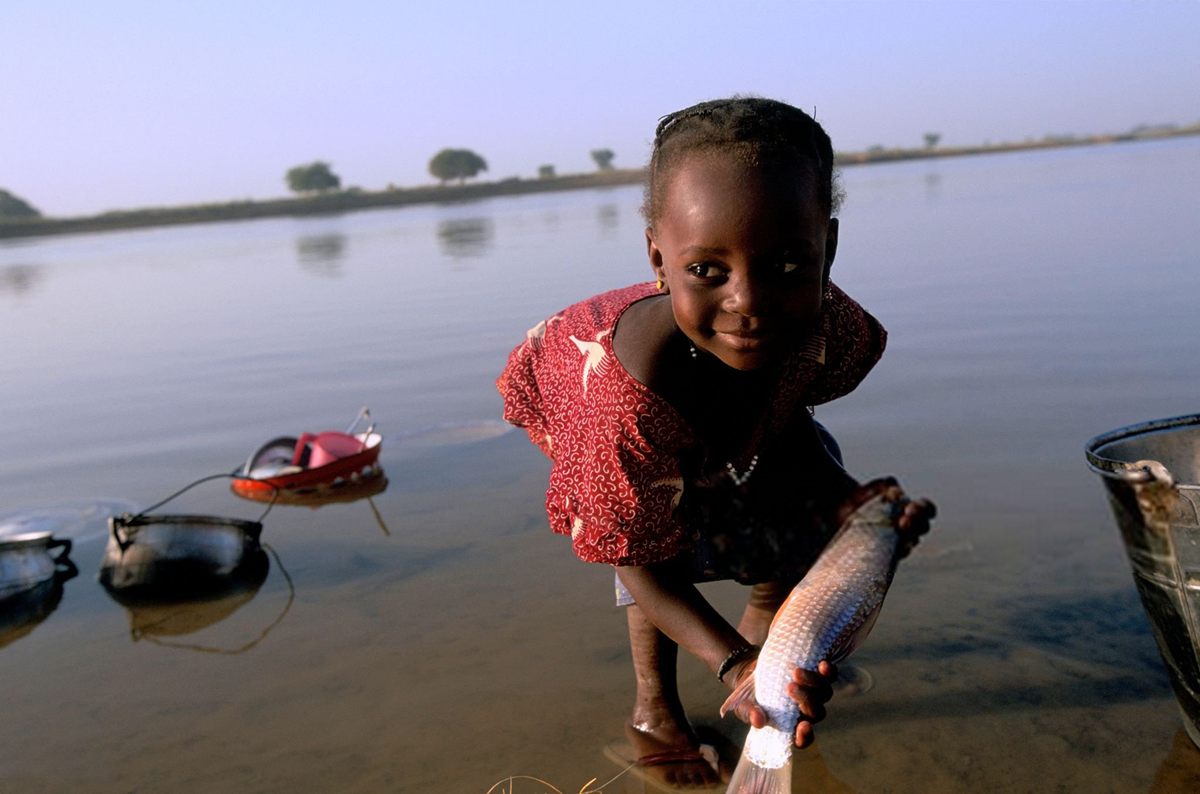
Niger becomes first African country to eliminate river blindness
The World Health Organization (WHO) has officially recognized Niger as the first country in Africa—and the fifth globally—to successfully halt transmission of the parasitic worm Onchocerca volvulus, the parasite responsible for river blindness.
« Eliminating a disease is a monumental achievement that requires relentless effort, » stated Dr. Tedros Adhanom Ghebreyesus, WHO Director-General. « Niger’s success in protecting its people from this stigmatizing, poverty-driven disease demonstrates the transformative power of global health initiatives. This milestone not only offers hope to other nations battling river blindness but also reinforces our progress in combating neglected tropical diseases. »
River blindness, medically known as onchocerciasis, ranks as the second leading infectious cause of blindness worldwide, surpassed only by trachoma. The disease spreads through the bites of infected blackflies, which thrive near fast-flowing rivers—hence its name. While cases occur in limited areas of Latin America, the heaviest burden falls on rural populations across sub-Saharan Africa and Yemen.
Groundbreaking strategies and collaborative partnerships drive success
Niger’s victory over river blindness stems from a multi-decade strategy combining vector control and mass drug administration. Between 1976 and 1989, the country participated in the Onchocerciasis Control Programme (OCP) in West Africa, deploying targeted insecticide spraying to slash transmission rates. From 2008 to 2019, mass drug administration (MDA) campaigns—leveraging donated ivermectin from Merck & Co., Inc.—were launched in regions still affected by lymphatic filariasis. Since ivermectin also combats river blindness, these efforts inadvertently accelerated the elimination of Onchocerca volvulus.
By 2014, Niger began preliminary assessments to confirm the halt in transmission. Entomological and epidemiological surveys confirmed that the combination of vector control and MDA had virtually eradicated the parasite, reducing prevalence from nearly 60% to a mere 0.02%.
Critical to this success was a robust collaboration among the Nigerien government, WHO, and non-governmental organizations. This partnership enabled resource mobilization, technical support, and adaptive monitoring, ensuring interventions remained effective and responsive to evolving disease dynamics.
« River blindness has plagued communities for generations, robbing families of livelihoods and access to vital water sources, » noted Dr. Matshidiso Moeti, WHO Regional Director for Africa. « Niger’s achievement is a beacon of hope, not just for its people, but for the continent. By eliminating this disease, Niger has also paved the way for other nations to follow. This milestone builds on the country’s 2013 certification as Guinea worm-free, further cementing its leadership in public health. »
Global progress and lessons for the future
Globally, 54 countries have now eliminated at least one neglected tropical disease. Niger joins an elite group of four countries previously certified by WHO for eliminating river blindness—all located in the Americas: Colombia (2013), Ecuador (2014), Guatemala (2016), and Mexico (2015).
In the WHO African Region, 21 countries have eliminated at least one neglected tropical disease. Niger’s latest success follows its 2013 certification as free from Guinea worm disease, making it the only nation to have eliminated two such diseases.