Morocco strengthens ties with Mali amid regional tensions
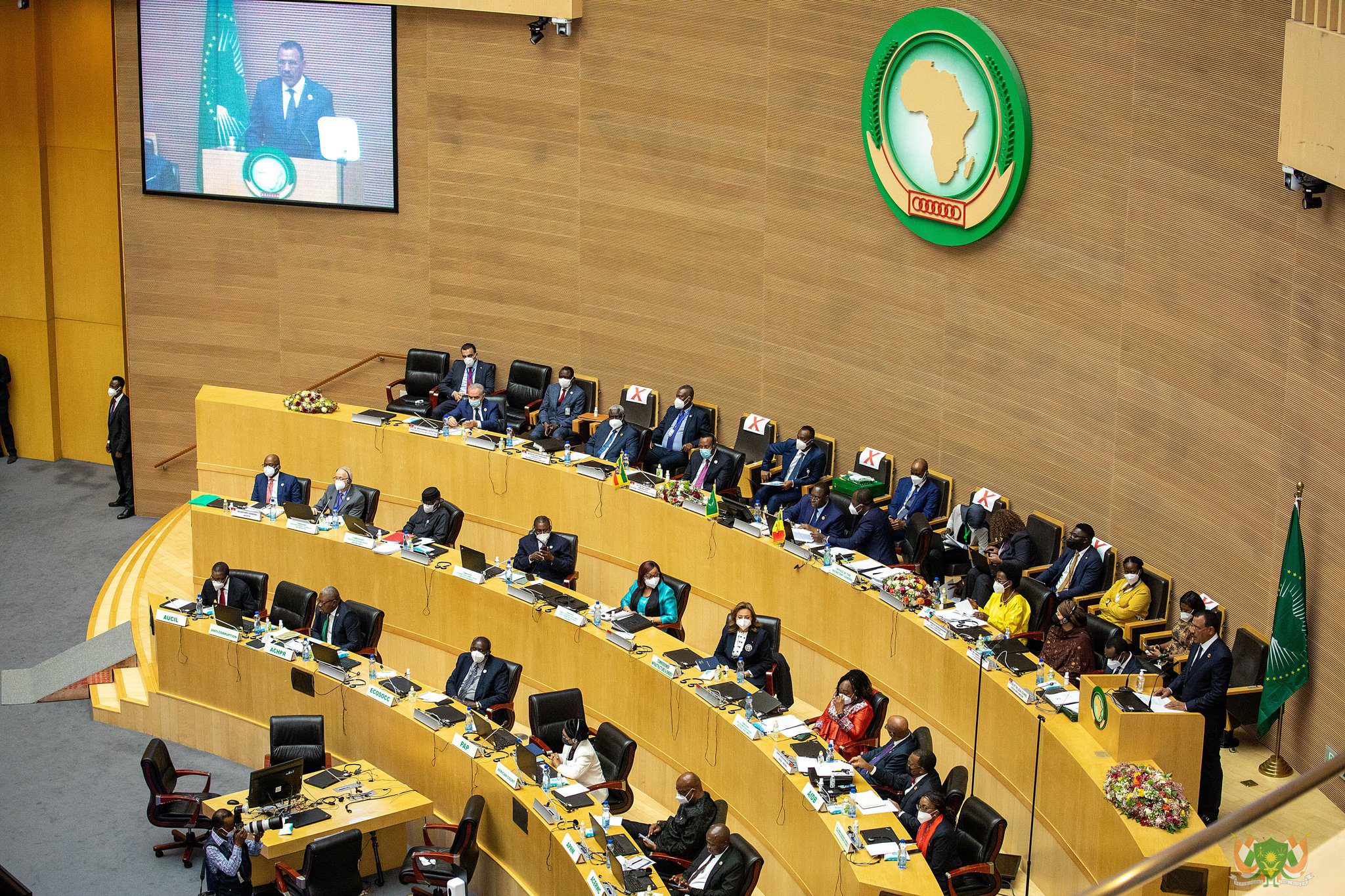
Marrakech – The Kingdom of Morocco has once again demonstrated its steadfast commitment to Mali, reaffirming its solidarity before the African Union Peace and Security Council (AU PSC) in response to the devastating terrorist and separatist attacks that struck the West African nation on Saturday.
During the AU PSC session focused on Mali’s escalating crisis, Morocco’s delegation condemned in the strongest terms the coordinated assaults targeting both civilian and military targets. In a gesture of solidarity, the delegation conveyed deep compassion and heartfelt condolences to the families of the victims and the resilient people of Mali.
Morocco’s stance underscored its unwavering support for Mali’s sovereignty, security, and territorial integrity. It also emphasized the urgent need for coordinated international efforts to mobilize resources and provide a swift, tailored response in close collaboration with Malian authorities.
Morocco’s swift diplomatic response
Morocco’s solidarity with Mali was not a delayed reaction but an immediate and resolute stand taken within hours of the attacks. A high-ranking Moroccan diplomatic source stated that “the Kingdom of Morocco condemns these heinous and cowardly acts with the utmost severity”, reaffirming Rabat’s unwavering support for Mali’s government in its fight against terrorism and separatism across the Sahel region.
The scale of Saturday’s attacks was unprecedented, with jihadist groups affiliated with al-Qaeda and Tuareg separatists launching coordinated offensives on seven cities, including Bamako, Kati, Kidal, and Gao. The tragic loss of Defense Minister General Sadio Camara in a suicide bombing at his residence in Kati and the disappearance of Junta leader General Assimi Goita sent shockwaves through the region. Meanwhile, the strategic city of Kidal fell under rebel control as Russian mercenaries withdrew under an agreement with armed factions.
Algeria’s alleged role in Mali’s destabilization
While Morocco swiftly stood by Mali, geopolitical analysts have pointed to Algeria’s alleged involvement in what they describe as a “shadow war” against the country. This alleged destabilization campaign, they argue, intensified dramatically following Mali’s sovereign decision two weeks ago to withdraw its recognition of the self-proclaimed SADR and formally endorse Morocco’s autonomy plan for Western Sahara.
Algeria’s message to Mali: consequences of breaking away
The geopolitical realignment by Mali struck at the core of Algeria’s regional influence, dismantling decades of carefully constructed diplomatic leverage. Analysts tracking Sahelian security dynamics suggest that the coordinated attacks on April 25 were not random but a direct punitive response to Bamako’s strategic shift away from Algiers.
Mali has repeatedly accused Algeria of harboring separatist factions and interfering in its internal affairs—allegations supported by extensive evidence. Algeria’s track record of supporting separatist proxies, most notably through the Polisario Front, is well-documented. Observers argue that the same destabilizing tactics are now being deployed against Mali.
The coordinated propaganda offensive by Algeria’s media apparatus, in tandem with the armed groups, further highlights the systematic nature of this campaign. Semi-official outlets and state-aligned digital networks amplified separatist narratives, inflated casualty figures, and spread unverified claims about senior officials within hours of the attacks. The underlying message was clear: “This is the price of defiance.”
This propaganda blitz unfolded in stark contrast to Algeria’s domestic policies, where a hermetic media blackout conceals security threats. International monitoring reports and travel advisories from Western embassies have exposed active terrorist threats in regions like Blida, yet Algeria’s state-controlled media maintains a veil of silence. This duality underscores a cynical strategy: suppressing terrorism at home while weaponizing it abroad as a tool of geopolitical coercion.
The abrogation of the 2015 Algiers Accord by Mali’s transitional military council, following sustained hostile actions by Algeria, removed Algiers’ primary instrument of soft power over Bamako. With this leverage neutralized, Algeria has escalated its response through proxy warfare, disinformation campaigns, and territorial destabilization.
Morocco’s partnership approach vs. Algeria’s coercive tactics
Morocco’s approach stands in stark contrast to Algeria’s coercive regional posture. In a joint press conference with Burkina Faso’s Foreign Minister Karamoko Jean Marie Traoré in Rabat (June 2024), Moroccan Foreign Minister Nasser Bourita articulated a clear doctrine: “Morocco rejects the logic of blackmail and lectures.”
Bourita emphasized that Sahel nations do not need guardians but partners, offering expertise and support without conditions or political subordination. He stated, “Partnership is rooted in mutual sovereignty, not paternalism.” Regional analysts increasingly view Algeria’s influence as one of coercion masked in the guise of regional solidarity, while Morocco’s approach is built on trust and mutual respect.