How military juntas in Sahel avoid justice through cedewao withdrawal
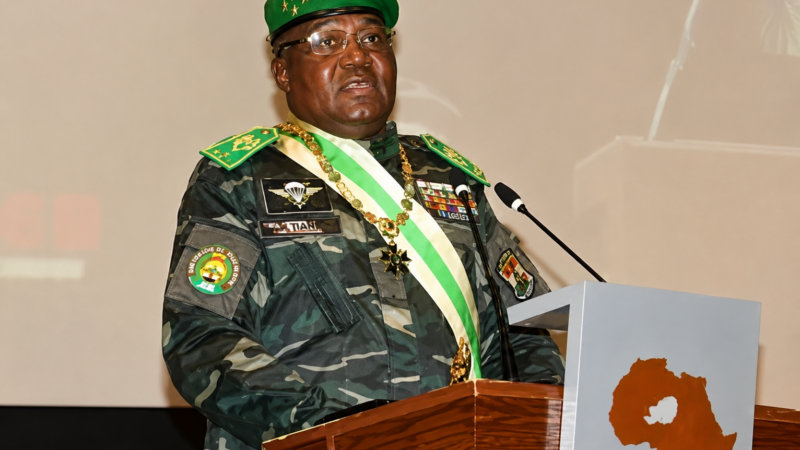
A striking similarity unites Burkina Faso, Mali, and Niger beyond their geographic proximity in the Sahel region of Africa. Each is now governed by a military junta that has systematically undermined democratic norms and human dignity.
three shared realities under military rule
The first common thread is their leadership—unelected juntas that seized power, often through force. The second is the widespread pattern of human rights abuses committed by state forces, including extrajudicial killings, arbitrary detentions, and suppression of civil liberties under the guise of national security.
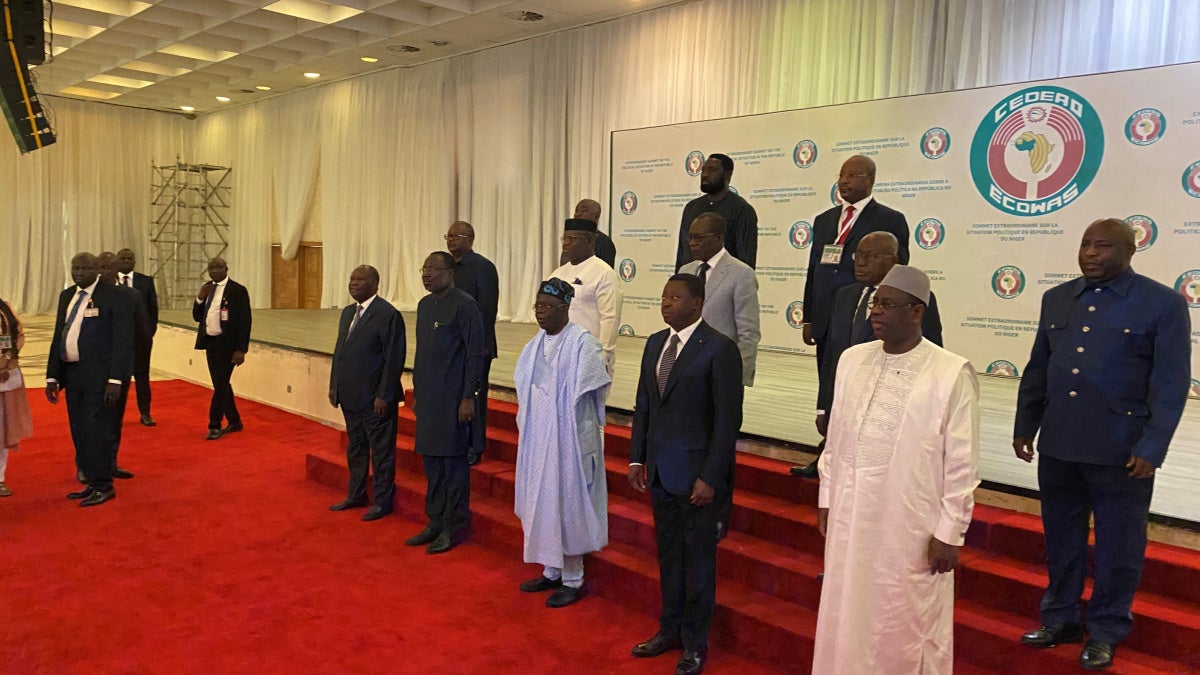
A third, less obvious but equally strategic move links these nations: their collective withdrawal from the Economic Community of West African States (ECOWAS). While framed as a political statement, this decision has profound consequences for accountability.
the cedewao court as a last hope for victims
ECOWAS operates a regional judicial body—the Community Court of Justice—established in 2005. This court serves as a vital recourse for citizens whose rights have been violated by state actors. Crucially, individuals can bypass national courts and directly file complaints with the Community Court, bypassing corrupt or complicit local judiciaries.
Over the years, the court has delivered landmark rulings protecting human rights, including cases involving Burkina Faso, Mali, and Niger. Its existence offered a rare path to justice for victims of junta-led abuses.
why withdrawal is a shield for abusive regimes
For military juntas accused of grave human rights violations, leaving ECOWAS is not merely symbolic—it’s a tactical retreat from accountability. By exiting the bloc, these governments remove themselves from the court’s jurisdiction, effectively shielding their forces from legal scrutiny.
This maneuver leaves civilians with virtually no avenues for redress. Local courts in these countries are already compromised, with military authorities rarely investigating or prosecuting crimes committed by their own ranks or allied militias.
With the Community Court no longer accessible, the message is clear: justice is not a priority in the new alliance being forged by these three nations.
a voice from exile speaks out
One Malian political activist, now living in France in self-imposed exile, recently shared this grim assessment with Human Rights Watch: “Since seizing power, these military governments have consistently failed to hold anyone accountable for flagrant human rights abuses. This withdrawal only confirms their total disregard for human rights and the rule of law.”
For victims of violence and repression in the Sahel, the withdrawal from ECOWAS represents more than a political rupture—it’s the closure of a critical lifeline to justice.