Mali’s hunger crisis: what the numbers mean for families, farms and the economy
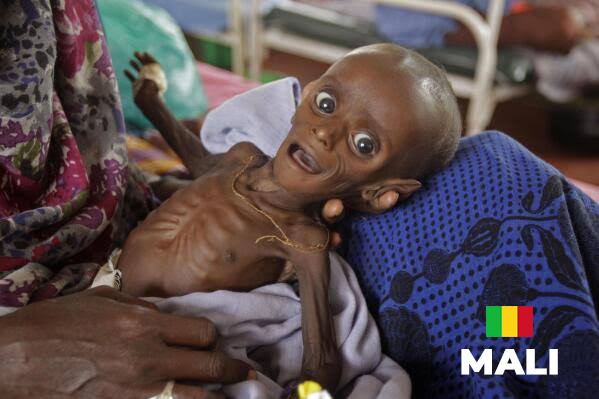
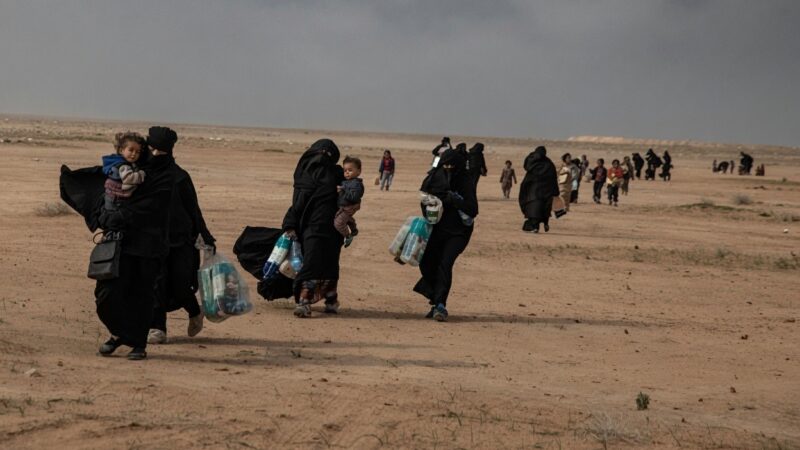
In Mali, a funding shortfall of 73.6 million dollars is not just an accounting problem. It translates into real consequences for millions of citizens: skipped meals, children pulled out of school, farmers abandoning fields, and local markets losing their customers. The World Food Programme (WFP) says it needs 81.2 million dollars to keep its operations running until February 2027, but only 7.6 million dollars is currently available. The gap of 73.6 million dollars threatens to cut food aid and could suspend humanitarian flights from January 2027, with immediate effects on the most vulnerable households.
The human cost behind the funding figures
Behind the shortfall are millions of people already struggling. According to the Food and Agriculture Organization (FAO), about 1.56 million Malians faced acute food insecurity between June and August 2026. That means they were classified in phase 3 or higher of the Cadre Harmonisé — a crisis level requiring urgent action. Among them, nearly 57,000 people were in phase 4, an emergency situation.
The problem is not new. FAO data show that the number of people in acute food insecurity during the lean season rose from about 1.52 million in 2025 to 1.56 million in 2026. The increase may seem small in absolute terms, but it comes in a country already dealing with deep poverty and rapid population growth.
Poverty: nearly one in two Malians affected
Monetary poverty reveals another side of the hardship. World Bank data show that 45.5% of Mali’s population lived below the national poverty line in 2021, up from 42.1% in 2018. The number of poor people was estimated at 9.7 million — about 1.4 million more than in 2018.
This indicator differs from the one used to measure extreme poverty internationally. Using the international threshold of 3 dollars per day in 2021 purchasing power parity, the World Bank estimates that 36.1% of Malians are affected. The two figures should not be directly compared, but they point to the same reality: a large share of the population has very limited resources to absorb shocks.
Aid reaches only a fraction of those in need
One of the most telling gaps is between needs and actual assistance. A WFP assessment in June 2026 found that 40% of households needed humanitarian aid. Yet in the three months before the survey, only 4% had actually received any.
In other words, the problem is not only how many people are poor or hungry — it is also whether the humanitarian system can reach them. Regions such as Ménaka, Gao, Tombouctou, Mopti and Ségou are among the hardest hit, where conflict, displacement, limited humanitarian access and disruptions to farming and trade deepen existing vulnerabilities.
Beyond food: a crisis that reshapes daily life
Poverty and food insecurity reinforce each other. The World Bank notes that poverty is especially high in rural areas, where it combines with heavy reliance on rain-fed agriculture. In its 2025 analysis, the institution estimated that national poverty had remained around 45% over a long period, while climate shocks and seasonality could worsen hardship during the lean season.
Displacement adds to the pressure. WFP reports more than 290,000 refugees and over 400,000 internally displaced people in Mali — groups especially exposed to losing their livelihoods and depending on humanitarian aid.
Demographic pressure complicates the equation further. Mali’s population is estimated at 25.2 million in 2025, growing at nearly 2.9% per year, according to the World Bank.
The risk of a new setback for millions
The WFP funding gap comes at a time when needs remain enormous. A prolonged reduction in humanitarian operations could have severe consequences for households that already have little margin to absorb higher prices, a bad harvest, displacement or lost income.
The available figures do not tell a single story but several overlapping realities: 9.7 million people poor according to the latest national threshold, 1.56 million facing acute food insecurity during the last lean season, and 40% of households reported needing humanitarian assistance in the June 2026 assessment.
In this context, the 73.6 million dollars sought by WFP is not just a budget gap. It is the difference between what is available and what is needed to respond to a crisis already affecting millions. The key question for the coming months is whether humanitarian funding can keep aid flowing while needs remain high.