Mali: how the JNIM ambush on Africa Corps near Niono is reshaping daily life in Ségou region
On 28 September 2026, a convoy of Russian paramilitaries from Africa Corps was hit by an armed attack claimed by the Group for the Support of Islam and Muslims (JNIM) north of Niono. The incident left both human and material losses within the Russian contingent — and it is already sending ripples through the lives of civilians, traders and local authorities across the Ségou region.
What happened on the ground
Security tensions remain high in central Mali. Late that Monday morning, a military convoy carrying elements of the Russian paramilitary structure Africa Corps — the successor to the Wagner company on the Sahelian theatre — drove into a deadly ambush between the localities of Tiemaba and Wewo, north of the town of Niono in the Ségou region.
An area long under Katiba Macina influence
The Niono area has for several years been identified as a major zone of influence for Katiba Macina, one of the key components of JNIM, the jihadist alliance affiliated with Al-Qaeda in the Islamic Maghreb (AQMI). That reality shapes not only military calculations but also the everyday movement of goods and people.
A convoy unlike the usual patrols
According to local and security sources, the attacked convoy was almost exclusively made up of Russian fighters. This configuration differs from the patrols usually observed on the ground, where Africa Corps units generally operate in tandem with the Malian Armed Forces (FAMA). The shift matters: it suggests a change in how Russian forces are being deployed, with direct consequences for how civilians read the security situation around them.
Casualty claims and the question of accountability
In a statement released shortly after the attack, JNIM claimed responsibility, saying it had killed or wounded at least seven members of the Russian contingent and seized a significant quantity of military equipment before withdrawing. Several local sources contacted in the region, meanwhile, reported at least four Russian fighters killed in the clashes.
Neither the General Staff of the Malian Armed Forces nor Africa Corps officials have published an official toll for this specific incident. The Malian army did communicate the following day about several targeted airstrikes in neighbouring areas, notably near Dioura, targeting identified terrorist positions.
Why this matters for citizens and local business
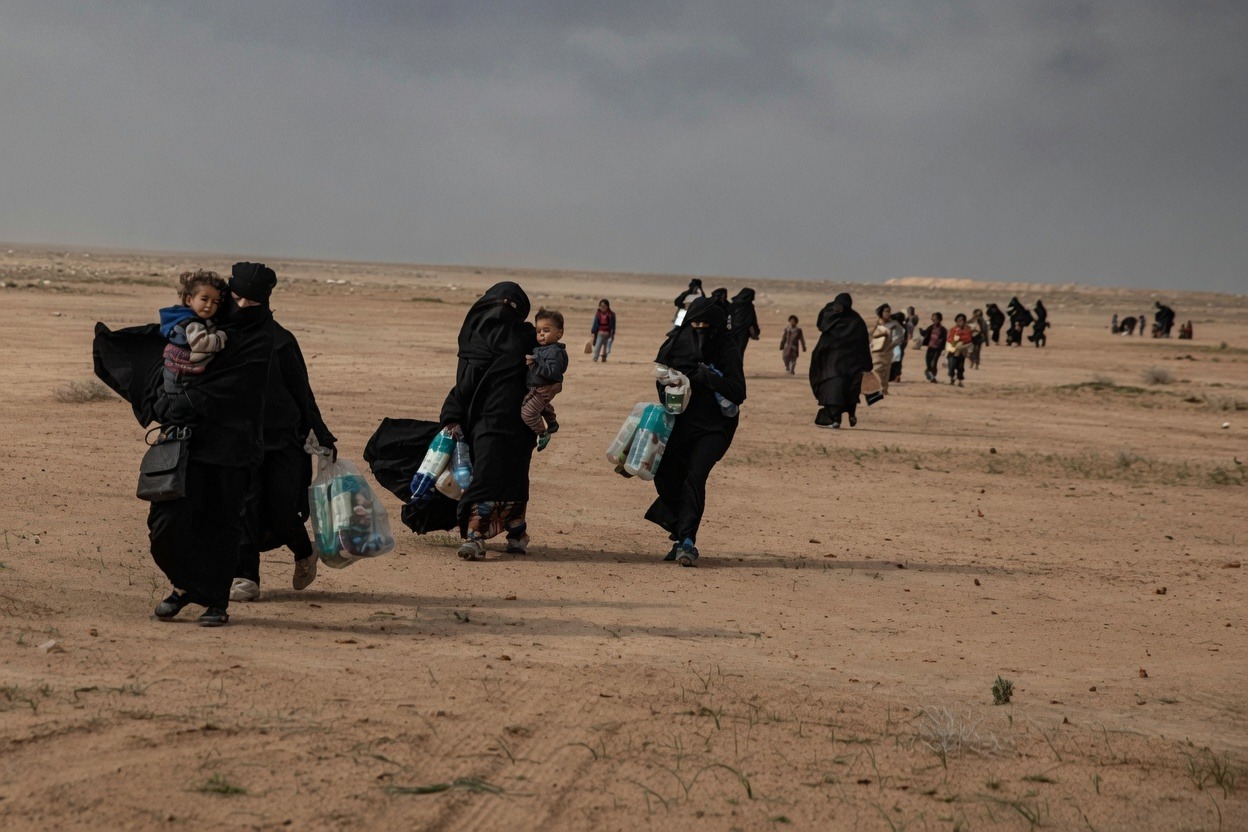
For people living between Niono, Tiemaba and Wewo, the ambush is not an abstract military event. It translates into concrete disruptions: restricted movement along rural roads, heightened fear among farmers and herders, and growing uncertainty for merchants who depend on the weekly markets that connect Ségou’s agricultural belt to larger urban centres.
- Trade routes under pressure: convoys and commercial vehicles face higher risk, pushing up transport costs and delaying deliveries of basic goods.
- Farming and herding at risk: communities around Niono already navigate fragile arrangements with armed groups; a fresh confrontation can trigger displacement and shrink cultivated land.
- Local governance strained: with security forces stretched, administrative services and public projects in the area become harder to maintain.
- Economic confidence shaken: investors and aid organisations may reconsider operations in a zone now seen as a frontline.
The broader fallout
The ambush raises difficult questions about the protection of civilians in central Mali. When a foreign paramilitary force suffers losses in an area where the state’s presence is already thin, the population often pays the price — through retaliation risks, forced displacement or simply the collapse of what little transport and commerce remain functional.
It also heightens scrutiny of the security model in place. If Africa Corps cannot guarantee safe passage on key roads, the economic isolation of communities north of Niono could deepen, feeding a cycle of poverty and instability that jihadist groups are quick to exploit.
What to watch next
The coming weeks will show whether Malian forces and their Russian partners adjust their posture in the Ségou region — and whether civilians see any improvement in their daily security. For now, the ambush stands as a stark reminder that the conflict in central Mali is not only a military contest but a crisis with direct, measurable consequences for the people who live along its roads.