Eastern DRC peace mediation: what Tshisekedi’s latest message to Gnassingbé means for civilians and local businesses
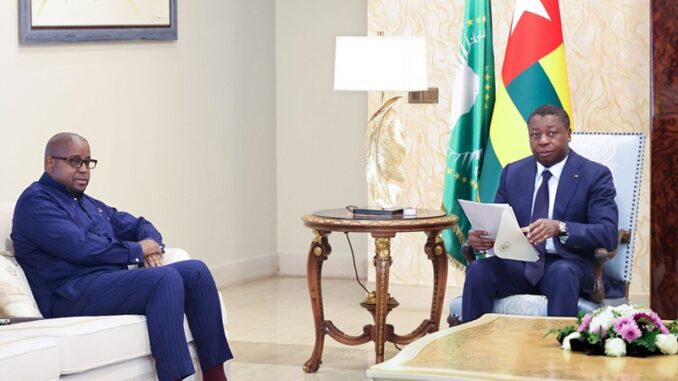
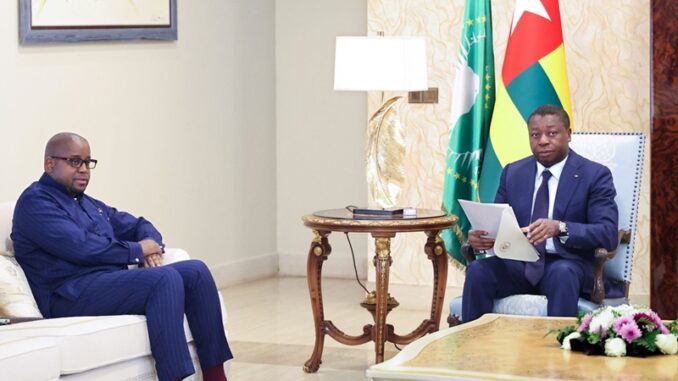
In Lomé on Tuesday, September 29, Togolese President Faure Essozimna Gnassingbé met with Floribert Anzuluni, the Democratic Republic of Congo’s Minister of Regional Integration, who carried a written message from Congolese President Félix-Antoine Tshisekedi Tshilombo. The encounter put the spotlight back on a peace process whose outcome directly affects millions of civilians and thousands of businesses in eastern DRC.
Why the latest Tshisekedi-Gnassingbé contact matters for ordinary Congolese
Speaking after the meeting, Anzuluni explained the purpose of the mission: “We were sent to the President of the Council, Faure Essozimna Gnassingbé, to deliver a special message from the President of the Democratic Republic of Congo,” adding that the communication concerned “the peace process in eastern DRC,” a file in which Gnassingbé is directly involved as a mediator for the African Union (AU).
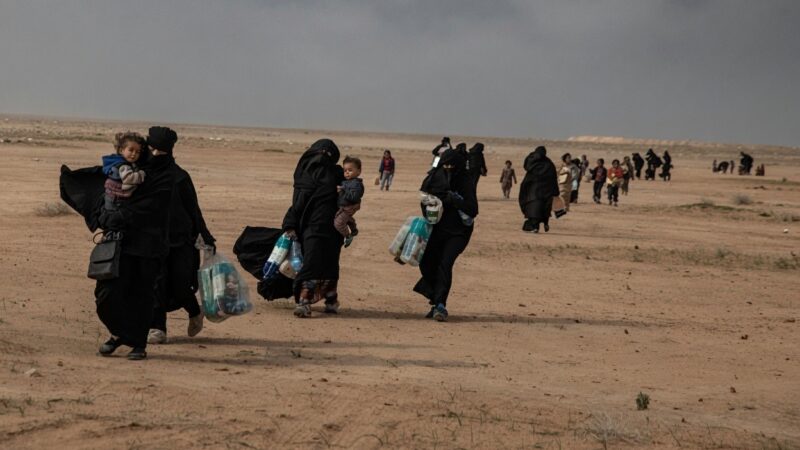
For families in North and South Kivu, the practical stakes could hardly be higher. A credible mediation track is often the difference between farmers returning to their fields or abandoning them, between traders reopening shops or closing them for good, and between children going back to school or spending another year displaced. The Congolese envoys used the audience to brief the Togolese leader on progress made by Congolese authorities in “demobilizing movements in order to allow the consolidation of peace” in a region where renewed saber-rattling has been audible since late 2021.
Gnassingbé’s mandate: from April 2025 to the present
Gnassingbé took over the AU mediation mission in April 2025, succeeding Angolan mediators. His mandate covers the security crisis in eastern DRC and the wider Great Lakes region. The core objectives remain a durable ceasefire and long-term stabilization—goals that have eluded peacemakers for many months despite parallel tracks in Doha under Qatari mediation and in Washington under American mediation.
What businesses in the region are watching
For entrepreneurs in Goma, Bukavu, and Uvira, the mediation’s credibility is measured in tangible terms: whether roads stay open, whether supply chains hold, and whether cross-border trade can resume without fear of sudden interruptions. Each diplomatic breakthrough—or delay—ripples through local markets, transport costs, and household incomes across the region.
Why this message was sent now
The written communication from Tshisekedi to Gnassingbé signals that Kinshasa wants to keep the AU track active even as other mediation efforts advance. For civilians caught between armed groups and economic hardship, that continuity matters: it offers a rare thread of predictability in a region where uncertainty has become the norm.