Tinubu’s Europe trip fallout: what four weeks abroad mean for Nigerians’ wallets and Nigeria’s economy
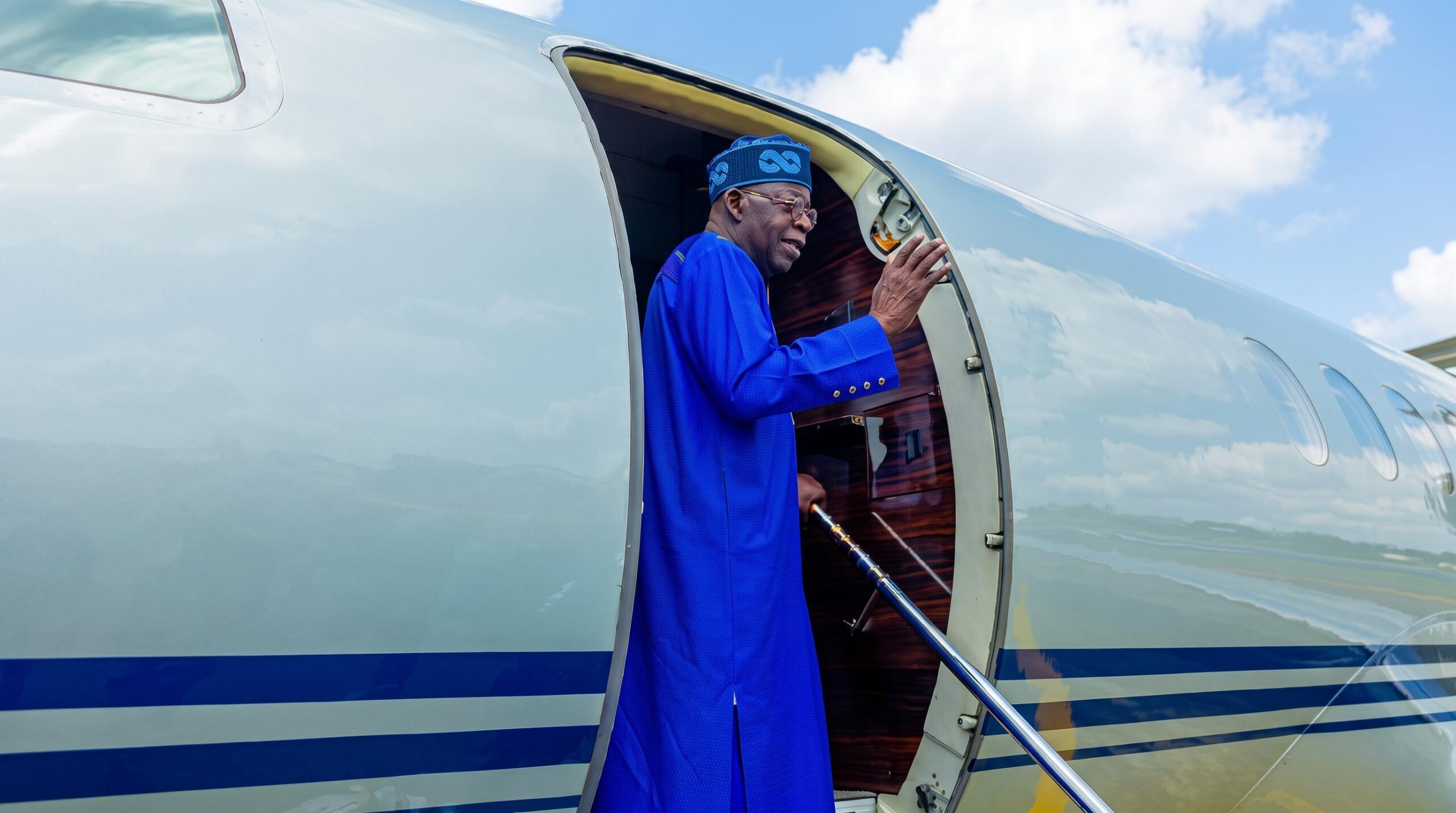
Lagos, September 29, 2026 — President Bola Ahmed Tinubu is back on Nigerian soil after nearly a month in Europe, and the timing could hardly be more consequential for ordinary Nigerians. His aircraft touched down at Lagos from Paris at about 6:22 p.m. on Tuesday, September 29, just two days before the country marks 66 years of independence on October 1.
For a nation grappling with the cost of living, fuel prices and the lingering effects of subsidy removal, the president’s extended absence from Abuja carried a price tag that many citizens are only now beginning to calculate. What did four weeks in Europe deliver for the man on the street in Kano, Port Harcourt or Enugu? That question is already shaping the national conversation.
The economic arithmetic of a four-week absence
Tinubu left Abuja on August 30 for what the presidency initially framed as a three-week annual leave. That timeline slipped, and the extension announced on September 21 added days to a trip that coincided with the United Nations General Assembly in New York — a gathering he skipped in person, sending Vice President Kashim Shettima to represent Nigeria instead.
For businesses waiting on policy direction, the gap mattered. Investors watching Africa’s largest economy for signals on reforms, currency stability and industrial policy had to read tea leaves from Paris and London rather than Abuja. The presidency, for its part, insisted Tinubu remained in constant contact with Nigerian authorities and kept tracking state business from abroad, describing the period as a “working vacation.”
What Paris produced: a $7 billion port deal and high-profile meetings
The European leg was not purely rest. After roughly a week in the United Kingdom, Tinubu moved to Paris, where the presidency highlighted a series of engagements it classified as work commitments.
Among them: a private dinner with French President Emmanuel Macron, discussions with businessman Vincent Bolloré, and a meeting with Femi Otedola, chairman of First HoldCo. The headline economic outcome was the signing of a memorandum of understanding between Ogun State government and DP World for a deep-water port and a maritime economic zone — a project with a potential investment value of $7 billion.
Whether that figure translates into jobs, port capacity and export earnings for Nigerian businesses remains the yardstick by which many will judge the trip. Deep-water port infrastructure, if delivered, could reshape logistics costs for manufacturers and traders who have long complained about congestion and inefficiency at existing facilities.
Why Lagos, not Abuja — and the MKO Abiola symbolism
Tinubu chose Lagos, Nigeria’s commercial nerve centre and former political capital, over Abuja for his homecoming. The presidency says the decision honours Moshood Kashimawo Olawale Abiola, a towering figure in Nigerian political history.
On October 1, the president is scheduled to attend the premiere of a film about MKO Abiola at the Wole Soyinka National Theatre in Iganmu, Lagos. Abiola won the June 1993 presidential election, a victory annulled in a move that plunged Nigeria into a severe political crisis.
For citizens in Lagos — a city that generates a disproportionate share of Nigeria’s GDP — the presidential presence brings both symbolic weight and practical disruption, with road closures and security deployments likely around official events.
Independence day 2026: reforms, stability and the prosperity promise
The 66th independence anniversary programme includes a public debate on September 30 and a presidential address to the nation on October 1. The government has themed this year’s edition “From Reforms to Stability: Consolidating Nigeria’s Renewed Hope for Shared Prosperity.”
That theme is a direct appeal to Nigerians who have borne the brunt of economic reforms — petrol subsidy removal, naira devaluation and tax changes — and who now want to see stability translate into lower prices, more jobs and reliable electricity. The official messaging is shifting from the pain of reform to the promise of shared prosperity, but the delivery gap will be measured in household budgets, not slogans.
Health rumours and a president’s own answer
The length of the trip fuelled speculation across Nigerian media and social platforms, particularly after the extension was announced. Questions about Tinubu’s health, which have trailed him for years, resurfaced during his time abroad.
On arrival in Lagos, the president addressed them directly. Asked by journalists about his condition, he said he was “healthy, sound, and ready to go” — a message clearly aimed at damping the rumour mill and reassuring both investors and political allies.
The 2027 shadow over the homecoming
Tinubu’s return lands in the thick of preparations for the January 2027 presidential and national elections. From the moment his departure was announced, the presidency signalled that political activity tied to that cycle would resume after the leave.
In Lagos, the president is expected to blend independence ceremonies with political meetings and consultations with party leaders and close associates before heading back to Abuja. For Nigeria’s political class, the coming days are about positioning; for ordinary Nigerians, they are about whether the next phase of this administration delivers tangible improvements or more of the same.
After four weeks in Europe, Tinubu re-enters a Nigeria that is simultaneously institutional, economic and political in its demands. The independence celebrations will dominate the immediate calendar, but the real test — for citizens, businesses and the economy — begins the moment the fireworks fade and the presidential motorcade turns back toward Abuja.