Leadership void in Cameroon: how Paul Biya’s absence disrupts economy and daily life
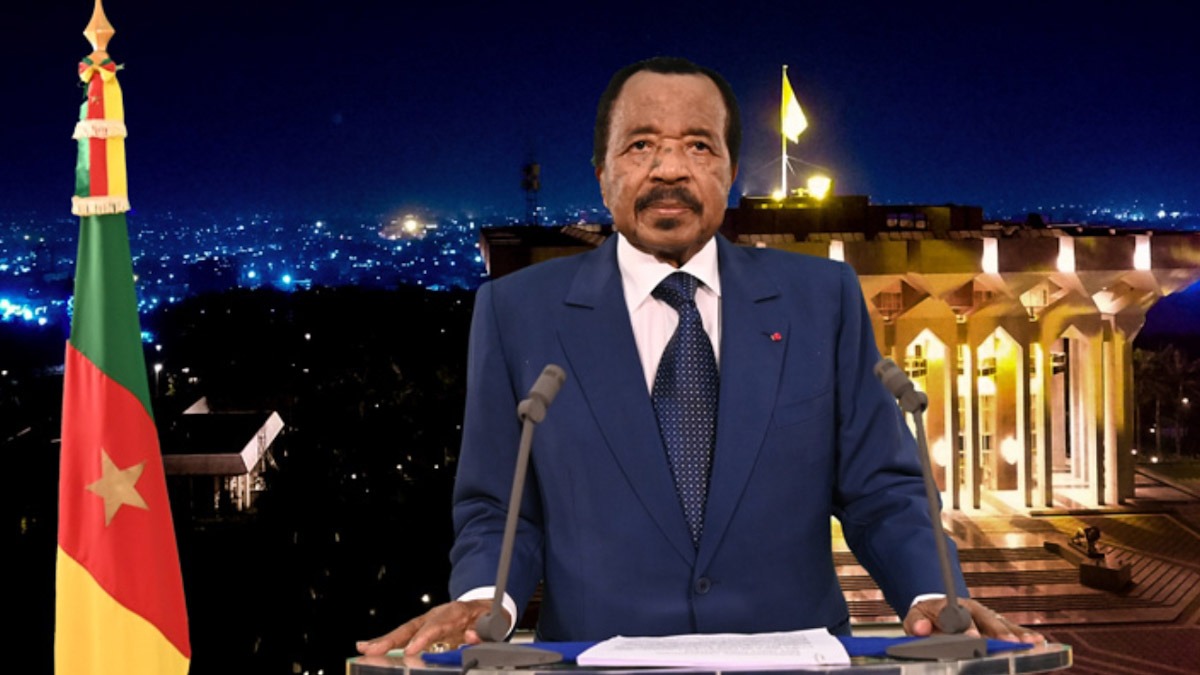
The prolonged absence of Paul Biya from Cameroon has left the nation in uncharted waters. Since June 7, 2026, when the President left Yaoundé for what was described as a “brief private stay in Europe,” the country has operated under a leadership vacuum that shows no signs of ending. More than two months later, with no public appearances or confirmed return date, the silence at the heart of power has transcended political discourse. In a system where every significant decision hinges on the President’s signature, this absence is creating tangible, measurable consequences for both the economy and the daily lives of Cameroonians.
Economic slowdown: markets waver and governance stalls amid leadership gap
The Cameroonian economy operates under a highly centralized system where the President’s role is pivotal. This prolonged absence is triggering a domino effect of institutional and financial blockages:
- Market jitters and financial instability: Recent financial assessments reveal that Cameroonian dollar-denominated bonds are among the worst-performing in Africa. Rating agencies are flagging concerns over the lack of clarity regarding succession and the perceived political instability, which is deterring international investors.
- Frozen investment projects: Large-scale infrastructure initiatives and public-private partnerships depend on high-level arbitration. Without it, files pile up on ministerial desks, delaying fund disbursements and slowing the execution of the national budget.
- Administrative paralysis: Despite the constitutional reform of April 2026 creating a vice-presidential position to mitigate vacancy risks, the role remains unfilled. A long-anticipated ministerial reshuffle has also stalled, perpetuating bureaucratic inertia.
Social strain: rising costs and growing public frustration
For ordinary citizens, the ripple effects of this institutional slowdown are deeply felt:
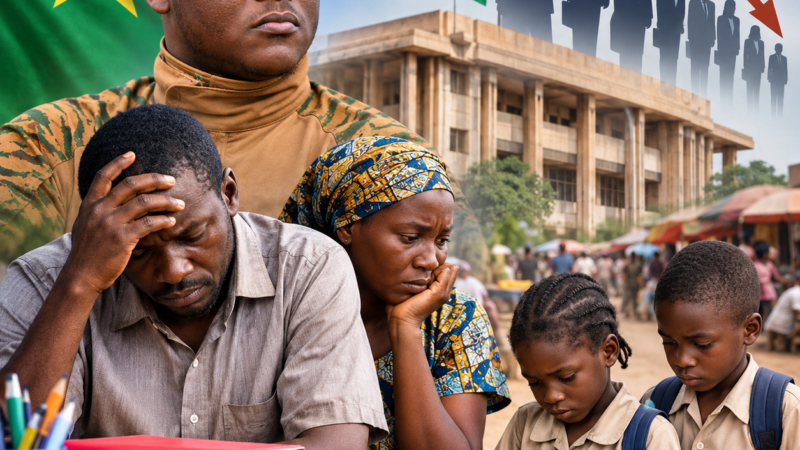
- Inflation and economic hardship: Local markets continue to grapple with soaring prices for essential goods and fuel. The absence of responsive fiscal measures or budget adjustments is eroding household purchasing power across the country.
- Distrust and anxiety: The lack of official communication has fueled wild speculation on social media. This information blackout is breeding resentment among the population and youth, fostering a climate of tension and uncertainty.
- Neglected priorities: Critical issues such as the crisis in the North-West and South-West regions, youth unemployment, and crumbling infrastructure lack the political impetus needed to drive sustainable solutions.
Leadership void exposes structural weaknesses in Cameroon
The prolonged absence of Paul Biya is acting as a magnifying glass, revealing the fragility of Cameroon’s institutional model. It underscores how the concentration of power around a single figure weakens the entire socio-economic framework when that figure is absent.
For Cameroon to restore investor confidence and maintain social cohesion, urgent action is required. Clarifying governance structures and resuming the normal functioning of state affairs are no longer optional—they are imperative.